




Your grandparents probably got more nutrients from a single orange than you do from 7 today.
Sounds dramatic? Unfortunately, science agrees.
Food still matters, vegetables are still healthy, and fruit is still worth eating… BUT the nutritional quality of modern produce is not always what it once was.
So before supplements get labelled unnecessary because of "healthy diets", it helps to understand what actually changed.
Macronutrients vs Micronutrients: Why Nutrients Matter
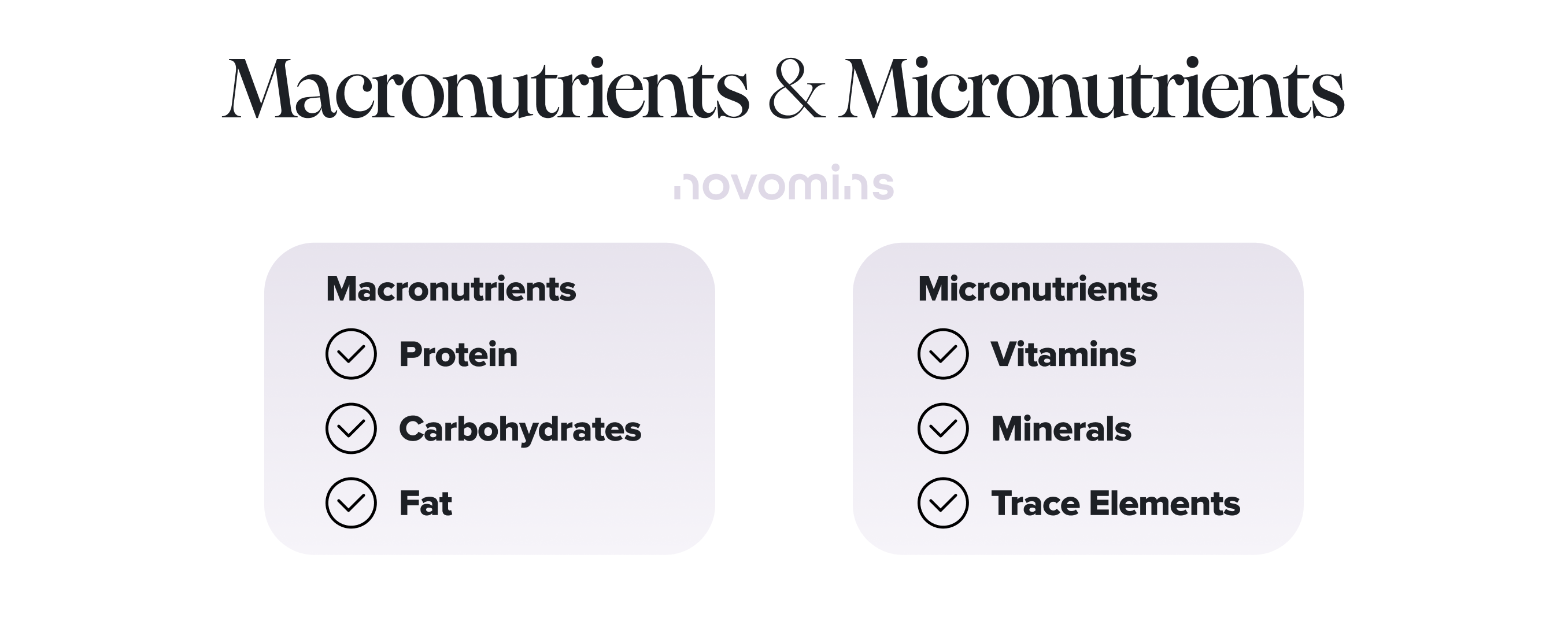
Your body depends on two categories of nutrients to function properly:
Macronutrients
These include:
- Protein
- Carbohydrates
- Fats
Macronutrients provide energy and fuel your body’s basic functions.
Micronutrients
The three main classes of micronutrients are:
-
Vitamins
Organic compounds your body needs in small amounts to support functions like energy production, immunity, brain function, and cellular repair. Examples include vitamin D, vitamin C, and the B vitamins. -
Minerals
Inorganic nutrients essential for processes like hydration, muscle function, bone health, nerve signalling, and oxygen transport. Examples include magnesium, iron, calcium, and zinc. -
Trace Elements (Trace Minerals)
Minerals required in very small amounts, but still essential for health. These support functions such as thyroid health, antioxidant defence, and metabolism. Examples include iodine, selenium, copper, and chromium.
Micronutrients are involved in almost every process happening inside your body, from energy production and hormone balance to immunity, brain function, sleep, recovery, metabolism, and cellular repair.
View as text
Macronutrients & Micronutrients
| Macronutrients | Micronutrients |
|---|---|
|
|
Your Food Isn’t What It Used to Be
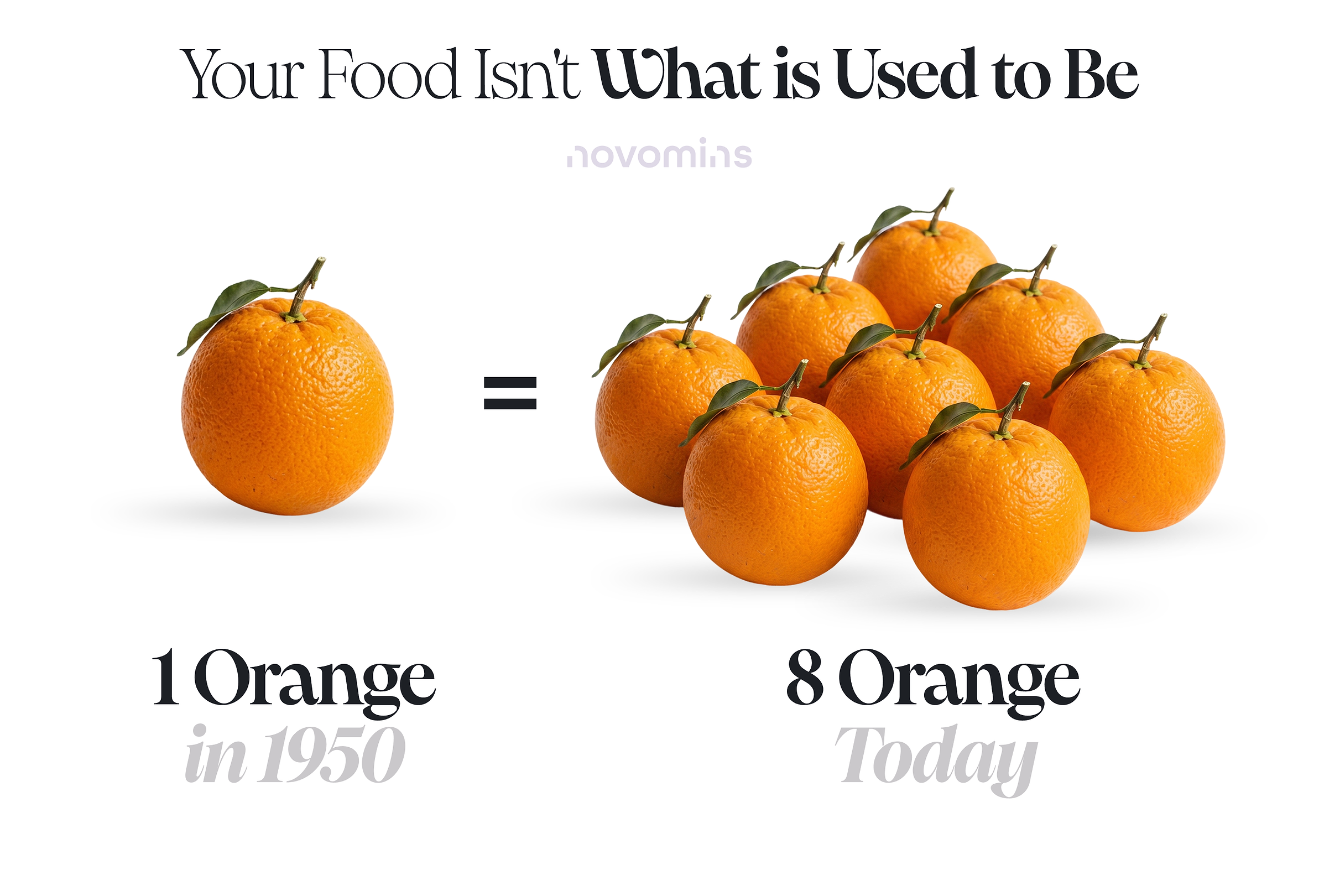
An orange from the 1950s is very different from the one sitting in your fruit bowl now. In fact, some reports suggest you may need 8 oranges today to achieve the same nutrient intake previous generations got naturally from just one.
View as text
1 Orange in 1950 = 8 Orange Today
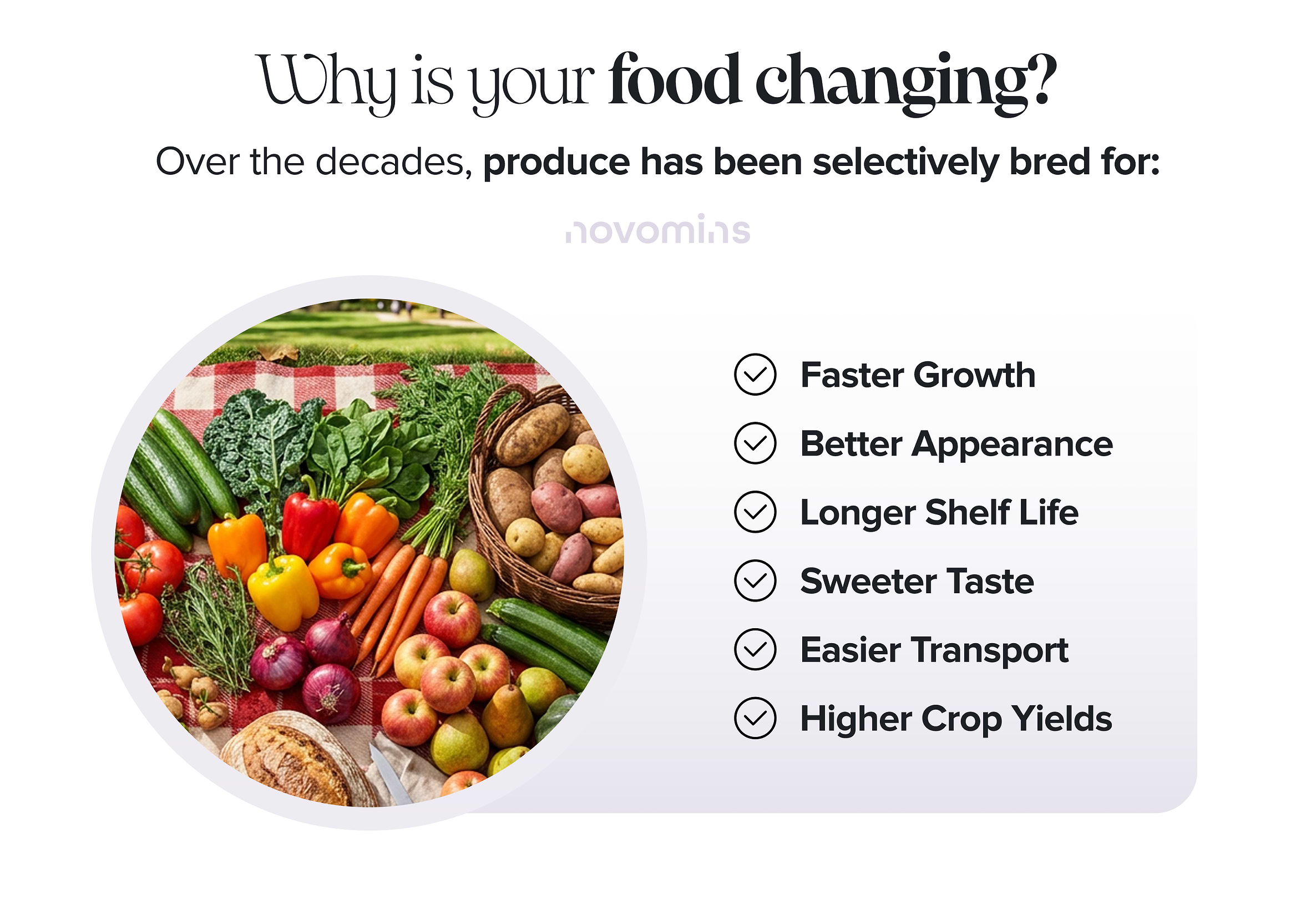
Over the decades, produce has been selectively bred for:
- Faster Growth
- Better Appearance
- Longer Shelf Life
- Sweeter Taste
- Easier Transport
- Higher Crop Yields
Not necessarily for nutrient density.
Research comparing historical and modern food composition data found declines in several nutrients across fruits and vegetables, including vitamin C, iron, calcium, and protein.
In simple terms: bigger crops, fewer nutrients.
View as text
Why is your food changing?
Over the decades, produce has been selectively bred for:
- Faster Growth
- Better Appearance
- Longer Shelf Life
- Sweeter Taste
- Easier Transport
- Higher Crop Yields
The Great Nutrient Decline: What Happened To Our Food?
Research suggests that while nutrient levels declined gradually over the past century, the steepest drop happened during the last few decades, when farming became increasingly focused on yield, shelf life, appearance, and transport efficiency rather than nutrient density.
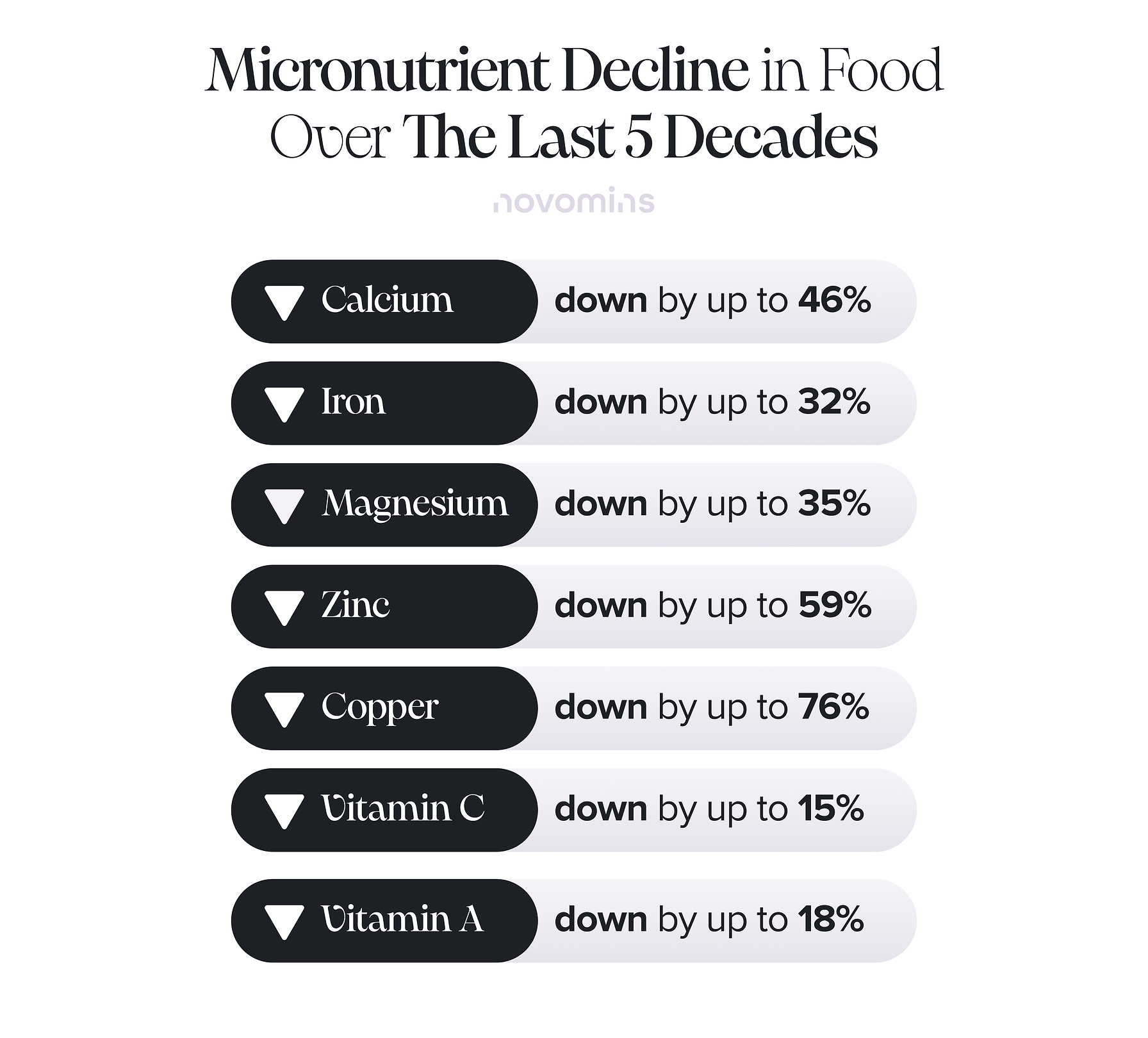
Studies across multiple countries have reported major declines in essential minerals and vitamins in fruits and vegetables over the last 50 to 70 years, including:
View as text
- Calcium down by up to 46%
- Iron down by up to 32%
- Magnesium down by up to 35%
- Zinc down by up to 59%
- Copper down by up to 76%
- Vitamin C down by up to 15%
- Vitamin A down by up to 18%
Some individual foods showed even sharper declines.
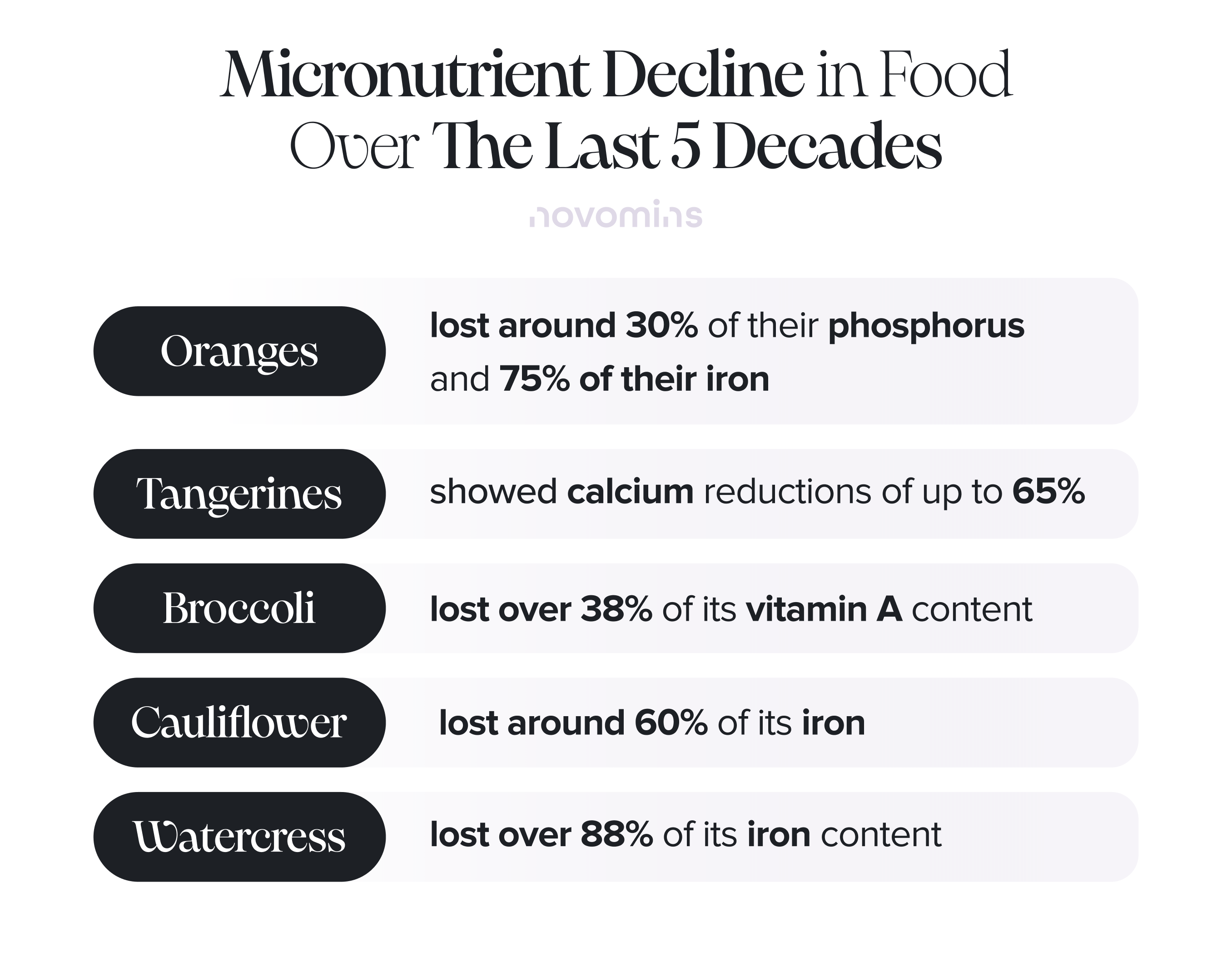
Researchers further observed:
View as text
- Oranges lost around 30% of their phosphorus and 75% of their iron
- Tangerines showed calcium reductions of up to 65%
- Broccoli lost over 38% of its vitamin A content
- Cauliflower lost around 60% of its iron
- Watercress lost over 88% of its iron content
Even minerals like magnesium, essential for over 300 processes inside the human body, showed notable decreases in both fruits and vegetables.
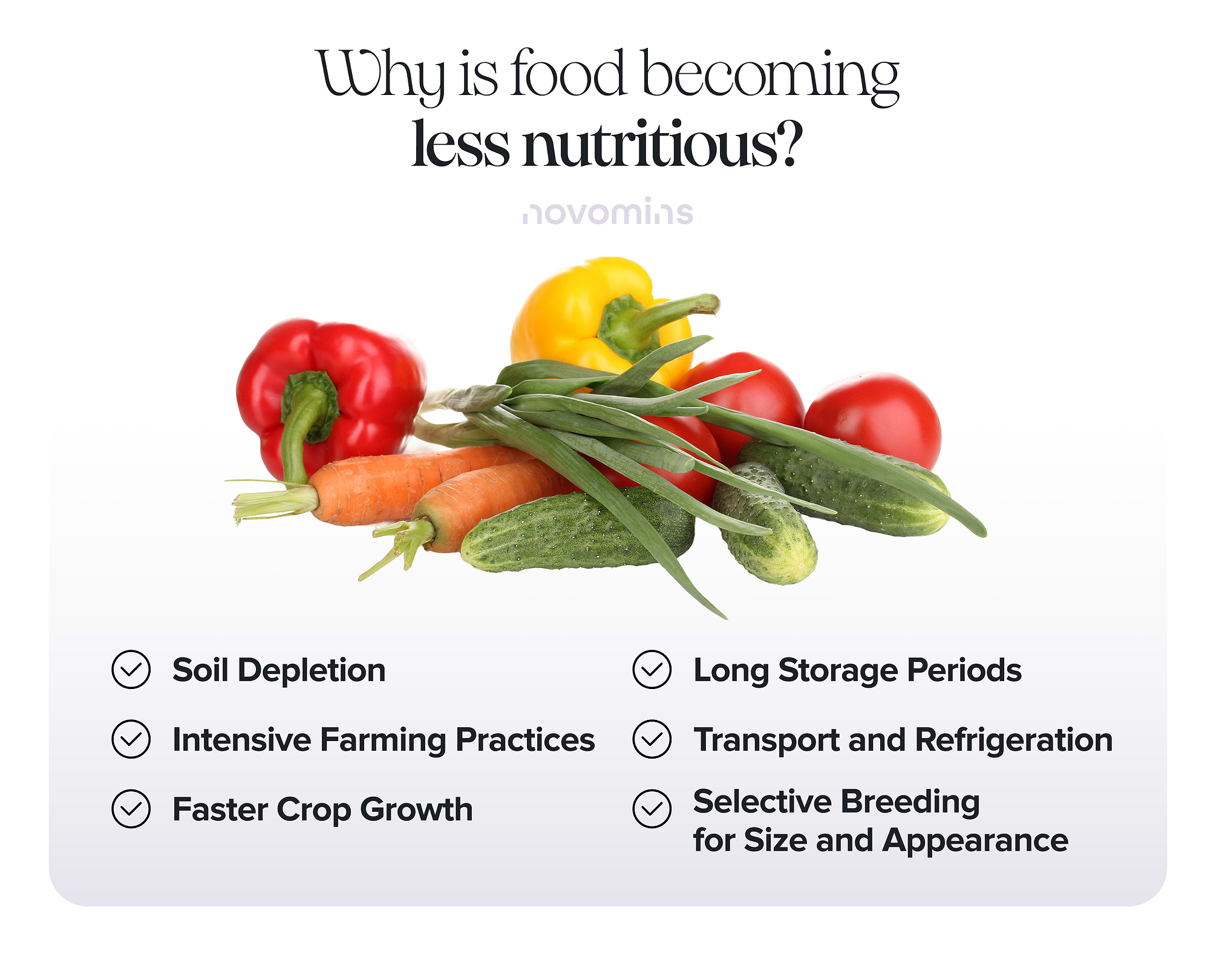
Why is food becoming less nutritious?
Scientists believe several factors contribute to this decline, including:
-
Soil Depletion
Repeated farming without enough time for the land to naturally recover can reduce important nutrients. -
Intensive Farming Practices
Growing crops continuously on the same land can reduce the overall nutritional quality of produce. -
Faster Crop Growth
Crops grown rapidly may have less time to absorb nutrients naturally from the soil. -
Long Storage Periods
Vitamins and antioxidants can gradually decline the longer produce is stored after harvest. -
Transport and Refrigeration
Long-distance shipping and refrigeration can reduce certain delicate nutrients in fresh foods. -
Selective Breeding for Size and Appearance
Many modern crops are bred for looks, size, and shelf life rather than maximum nutritional value.
In simple terms, modern produce often grows bigger and faster, but with fewer nutrients packed inside.
That means even when you are eating your fruits and vegetables, you may not be getting the same nutritional value previous generations naturally received from their food.
View as text
Why is food becoming less nutritious?
- Soil Depletion
- Intensive Farming Practices
- Faster Crop Growth
- Long Storage Periods
- Transport and Refrigeration
- Selective Breeding for Size and Appearance
Modern Life Demands More Nutrients
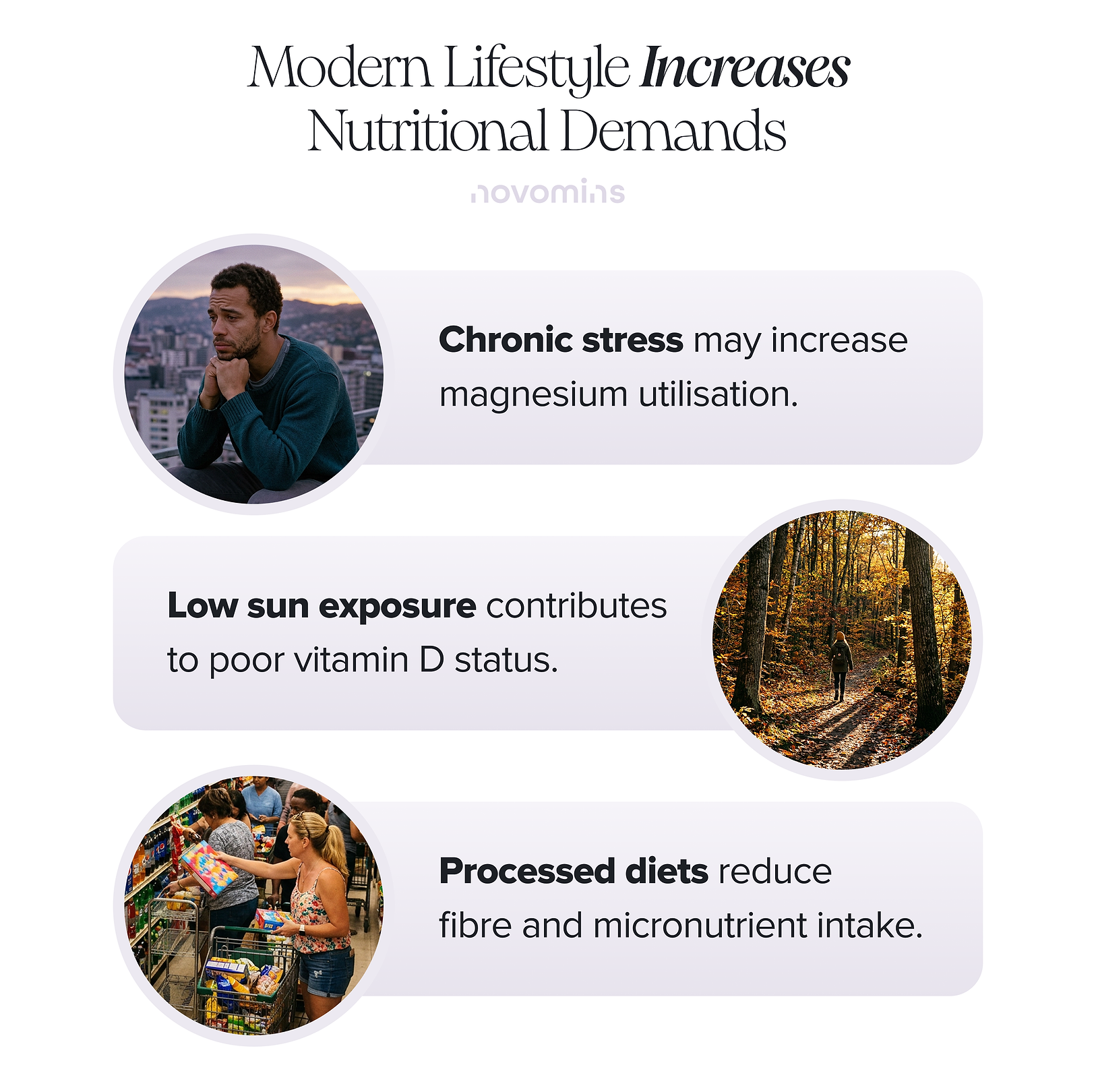
Now add modern life into the equation. At the exact same time food quality changed, modern lifestyles began increasing nutrient demand.
Stress, poor sleep, ultra-processed foods, alcohol, hormonal contraception, environmental toxins… research shows that all of these can influence nutrient requirements over time.
View as text
Modern Lifestyle Increases Nutritional Demands
- Chronic stress may increase magnesium utilisation.
- Low sun exposure contributes to poor vitamin D status.
- Processed diets reduce fibre and micronutrient intake.
So while food quality has changed, nutrient demand has increased at the same time.
Not exactly ideal.
“But Shouldn’t Food Be Enough?”
Ideally? Yes. Realistically? Not always.
Supplementation should never replace a balanced diet, but it can help fill nutritional gaps created by modern farming, food processing, and lifestyle demands.
Research consistently shows many adults fail to meet optimal intake levels for key micronutrients. Because even people who eat well are not necessarily eating perfectly balanced, freshly harvested, mineral-rich food every day.
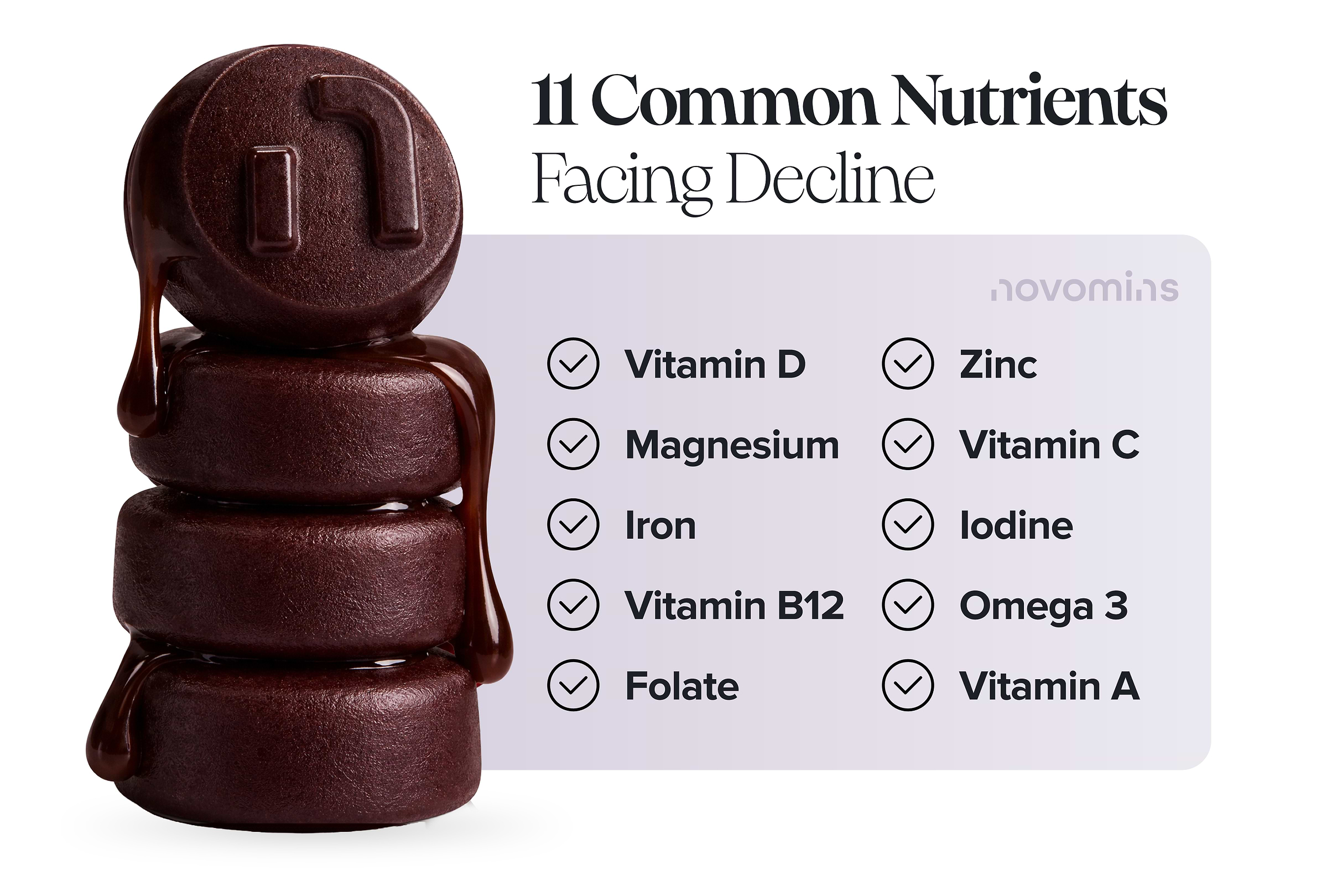
11 Common Nutrients Many People Fall Short On
View as text
11 Common Nutrients Facing Decline
- Vitamin D
- Magnesium
- Iron
- Vitamin B12
- Folate
- Zinc
- Vitamin C
- Iodine
- Omega 3
- Vitamin A
Modern nutrient issues do not always begin with a severe deficiency.
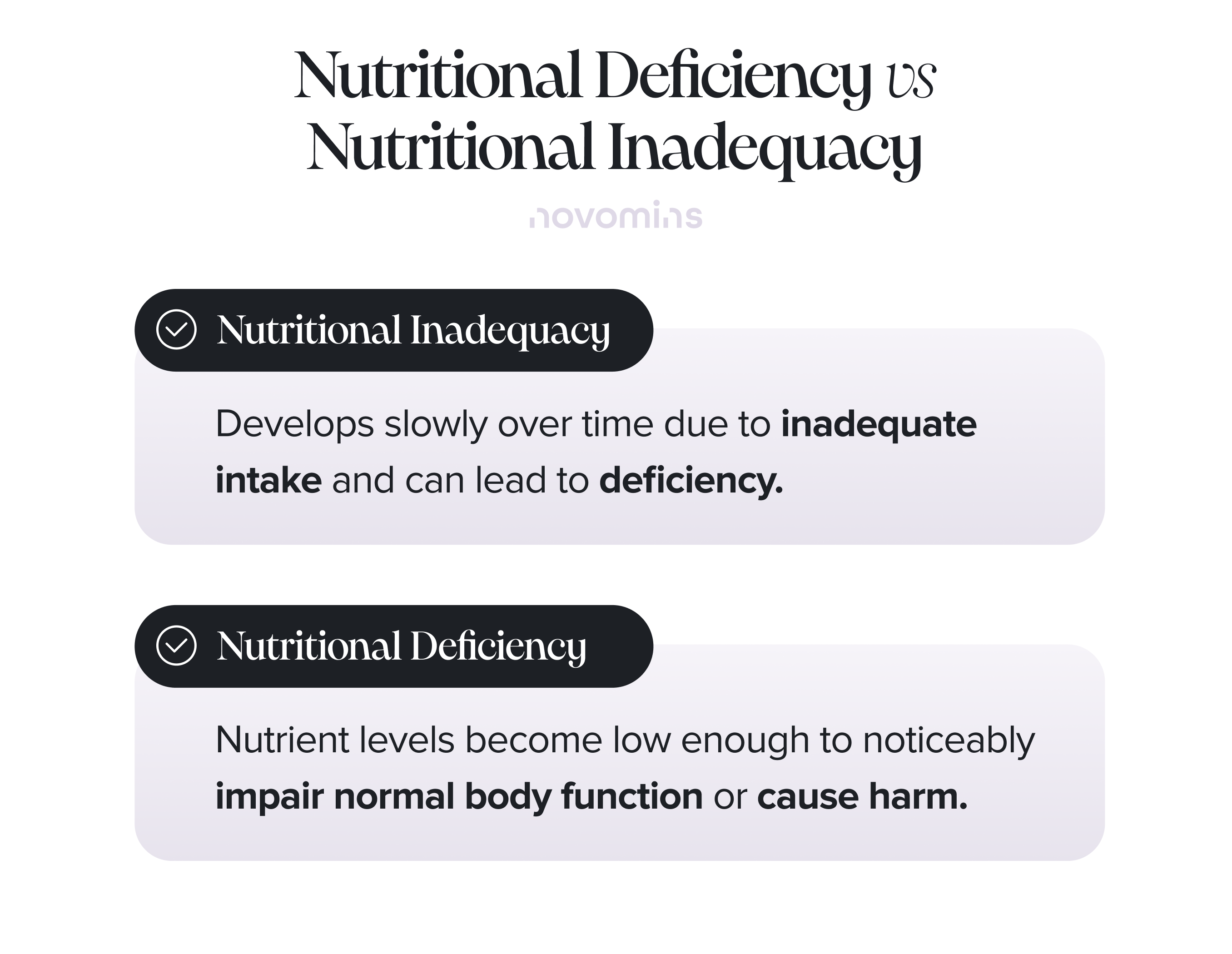
More often, they start with what researchers call nutritional inadequacy, when your daily intake consistently falls below optimal levels, even if blood levels have not yet reached clinical deficiency ranges.
A nutrient deficiency happens when levels become low enough to noticeably impair normal bodily function and potentially trigger clearer symptoms or medical complications.
Nutritional inadequacy sits earlier on that spectrum and can develop slowly over time through a combination of modern lifestyle habits, lower nutrient intake, food processing, depleted soil quality, stress, poor sleep, restrictive diets, and reduced nutrient density in modern produce.
View as text
Nutritional Deficiency vs Nutritional Inadequacy
-
Nutritional Inadequacy
Develops slowly over time due to inadequate intake and can lead to deficiency. -
Nutritional Deficiency
Nutrient levels become low enough to noticeably impair normal body function or cause harm.
Research estimates that more than 2 billion people globally experience micronutrient deficiencies, while many more likely fall into the category of suboptimal intake or inadequacy long before a true deficiency is diagnosed.
View as text
In other words, many people may technically avoid a clinical deficiency while still not getting enough nutrients to fully support optimal energy, immunity, cognition, recovery, and overall wellbeing.
And while modern diets can fall short in several areas, research consistently highlights a group of nutrients that people are most likely to under-consume due to changing food quality, modern lifestyle demands, dietary patterns, and reduced nutrient density in the foods we eat most often.
Vitamin D
Why is vitamin D important? Vitamin D is essential for calcium absorption, bone health, immune function, and muscle support.
Which foods are high in Vitamin D? It is found naturally in fatty fish, beef liver, and egg yolks, but its primary source is sunlight.
Why are lower levels becoming more common? Modern indoor lifestyles mean many people spend significantly less time in direct sunlight than previous generations.
How common is vitamin D deficiency? Research has found that around 1 in 6 UK adults and almost 20% of children have suboptimal vitamin D levels.
View as text
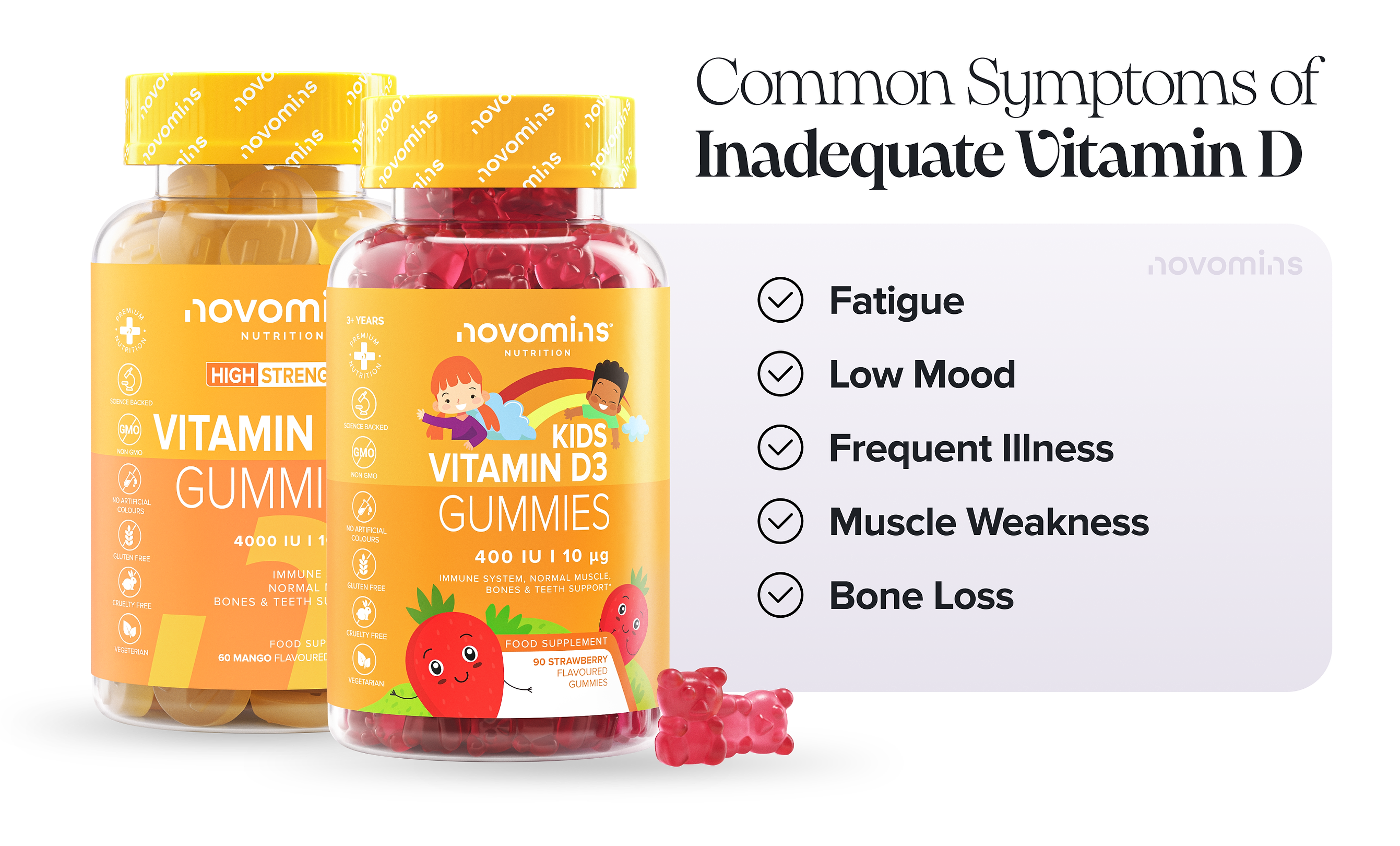
Common Symptoms of Inadequate Vitamin D
- Fatigue
- Low Mood
- Frequent Illness
- Muscle Weakness
- Bone Loss
Magnesium
Why is magnesium important? Magnesium is involved in more than 300 enzymatic reactions in the body, including energy production, nervous system regulation, muscle function, and sleep support.
Which foods are high in magnesium? Leafy greens, nuts, seeds, legumes, and whole grains are key sources.
Why are magnesium levels declining? Modern farming has significantly reduced magnesium content in soil, while chronic stress and processed diets may increase the body’s magnesium demands.
How common is Magnesium deficiency? Research found that 60% of people do not meet the recommended daily intake of magnesium with 19% not even obtaining half of the requirement.
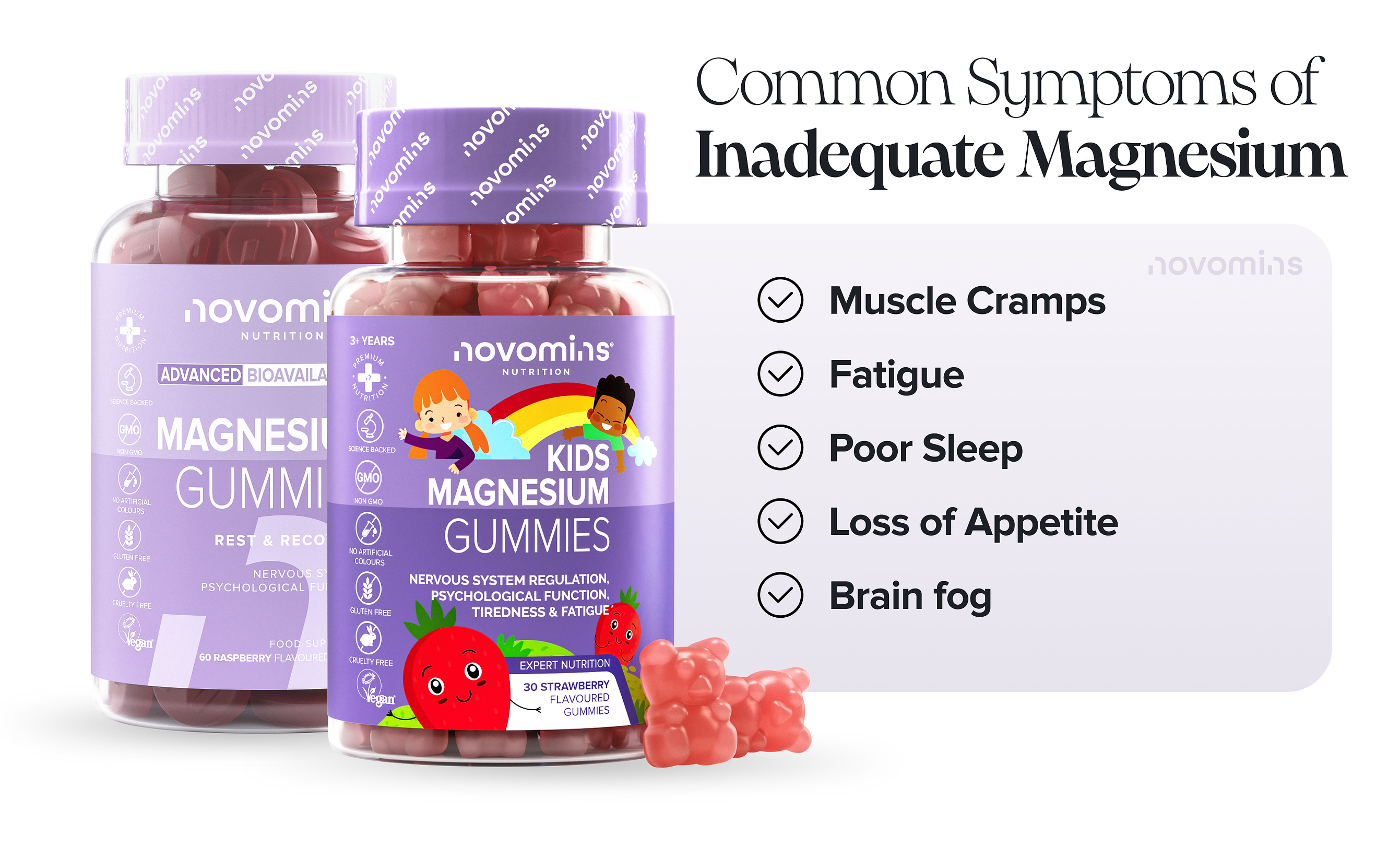
View as text
- Muscle Cramps
- Fatigue
- Poor Sleep
- Loss of Appetite
- Brain fog
Iron
Why is iron important? Iron is essential for oxygen transport and healthy red blood cell production.
View as text
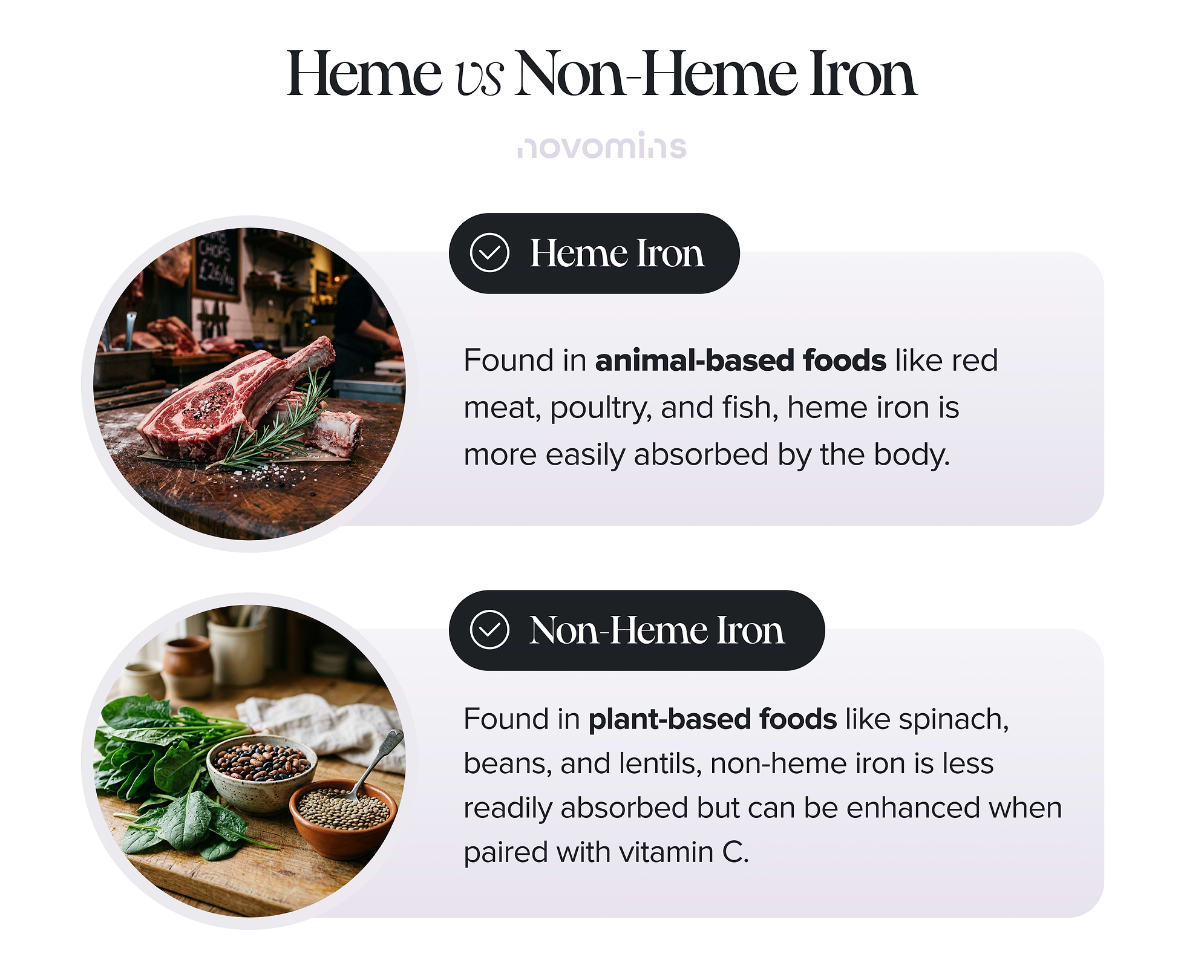
Heme vs Non-Heme Iron
-
Heme Iron
Found in animal-based foods like red meat, poultry, and fish, heme iron is more easily absorbed by the body. -
Non-Heme Iron
Found in plant-based foods like spinach, beans, and lentils, non-heme iron is less readily absorbed but can be enhanced when paired with vitamin C.
Which foods are high in iron? Heme iron is found in red meat, poultry, and seafood, while non-heme iron is found in spinach, beans, and lentils.
Why is adequate iron intake becoming harder? Modern diets often contain less iron-rich whole foods, while depleted soil has reduced iron levels in certain vegetables over time.
How common is iron deficiency? Iron deficiency is one of the most common nutrient deficiencies worldwide, affecting an estimated 40% of children and 30% of women globally.
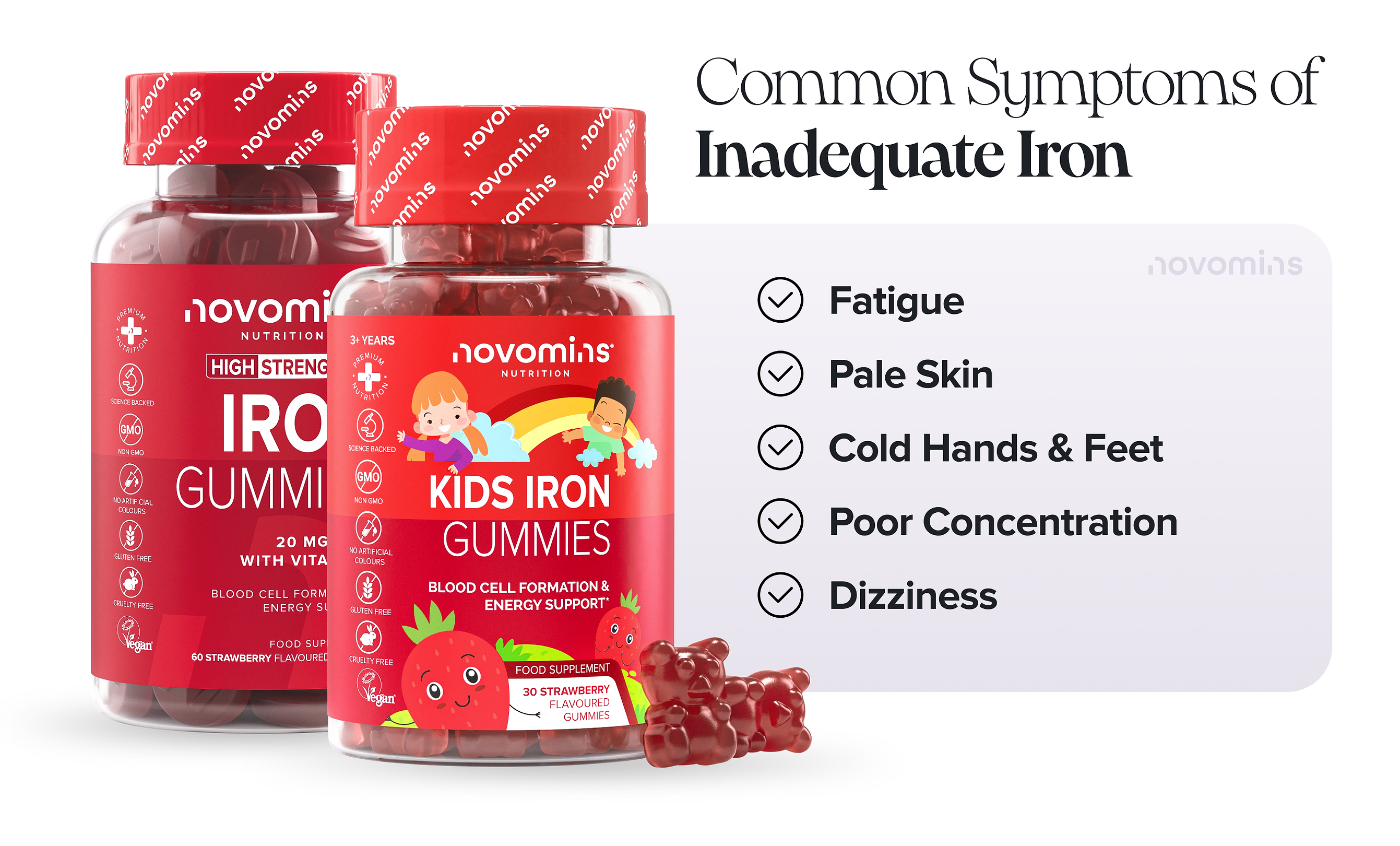
View as text
- Fatigue
- Pale Skin
- Cold Hands & Feet
- Poor Concentration
- Dizziness
Vitamin B12
Why is vitamin B12 important? Vitamin B12 supports nerve health, energy metabolism, red blood cell formation, and neurological function.
Which foods are high in vitamin B12? Vitamin B12 is present in foods of animal origin, including fish, meat, poultry, eggs, and dairy products and not naturally found in plant foods.
Why are deficiencies increasing? More plant-based diets combined with lower animal food intake may increase the risk of inadequate B12 intake.
How common is vitamin B12 deficiency? Research estimates that up to 40% of people in low income countries or highly vegetarian populations are vitamin B12 deficient.
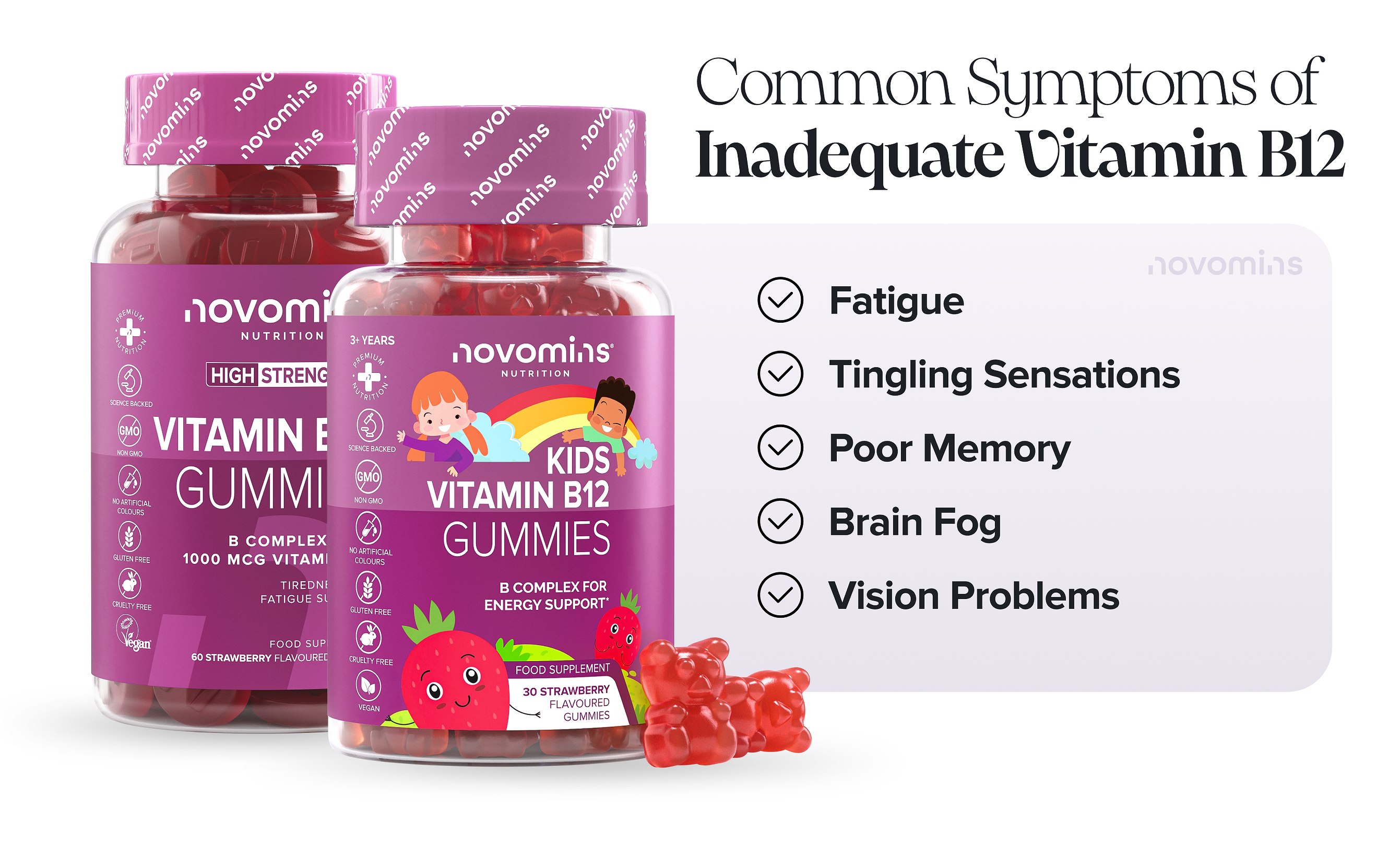
View as text
Common Symptoms of Inadequate Vitamin B12
- Fatigue
- Tingling Sensations
- Poor Memory
- Brain Fog
- Vision Problems
Folate (Vitamin B9)
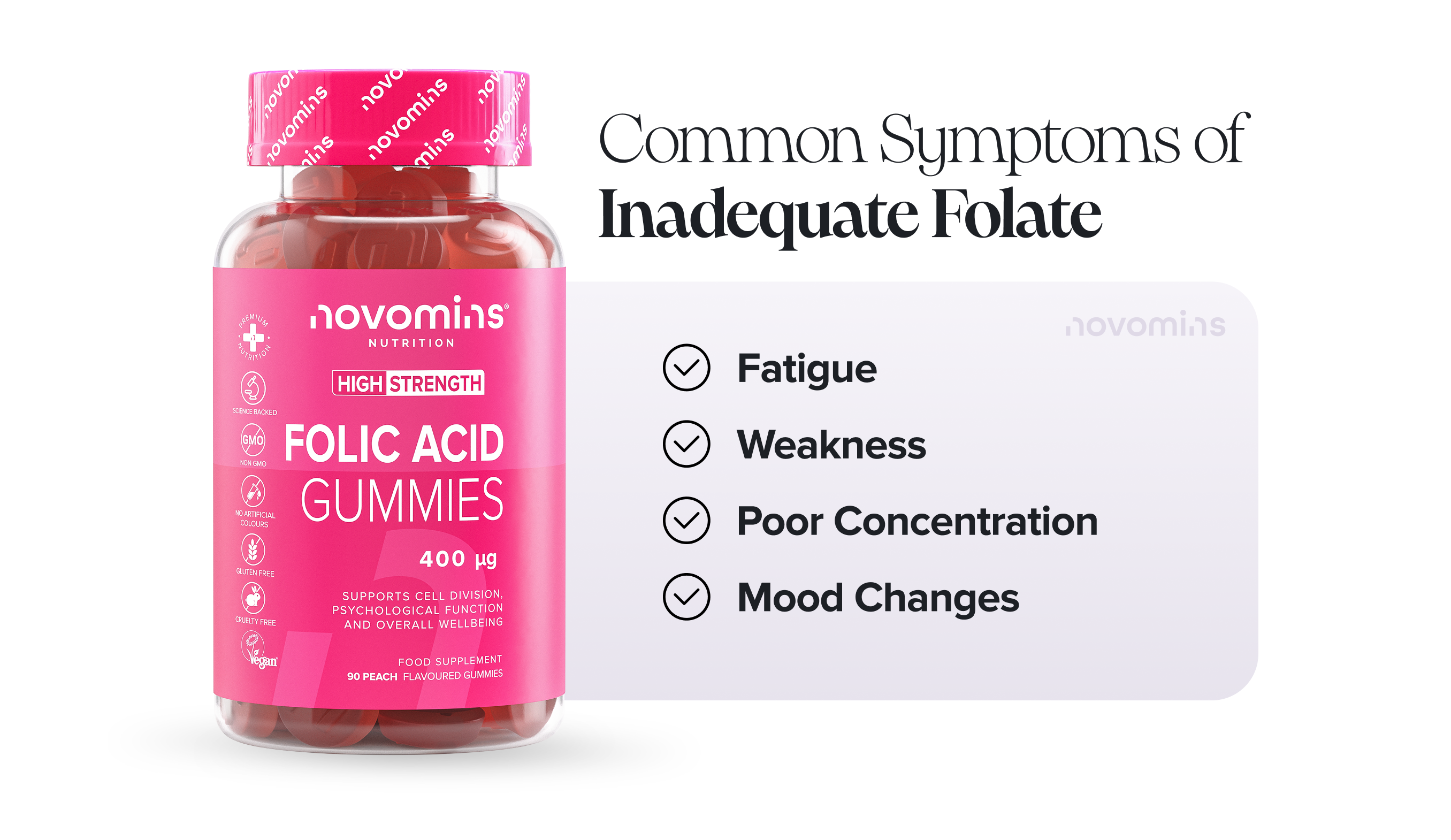
Why is folate important? Folate plays a major role in DNA synthesis, cell growth, and nervous system development.
Which foods are high in folate? Leafy greens, peas, legumes, liver, and fortified cereals are major sources.
Why are folate concerns rising? Modern processed diets often contain fewer naturally folate-rich foods and less dietary diversity overall.
How common is folate deficiency? Studies have found folate deficiency in pregnant women even in developed countries is estimated at up to 28% with this number being significantly higher in low income countries.
View as text
Common Symptoms of Inadequate Folate
- Fatigue
- Weakness
- Poor Concentration
- Mood Changes
🔎 During pregnancy, folate deficiency is associated with increased risk of neural tube defects and impaired fetal development.
Zinc
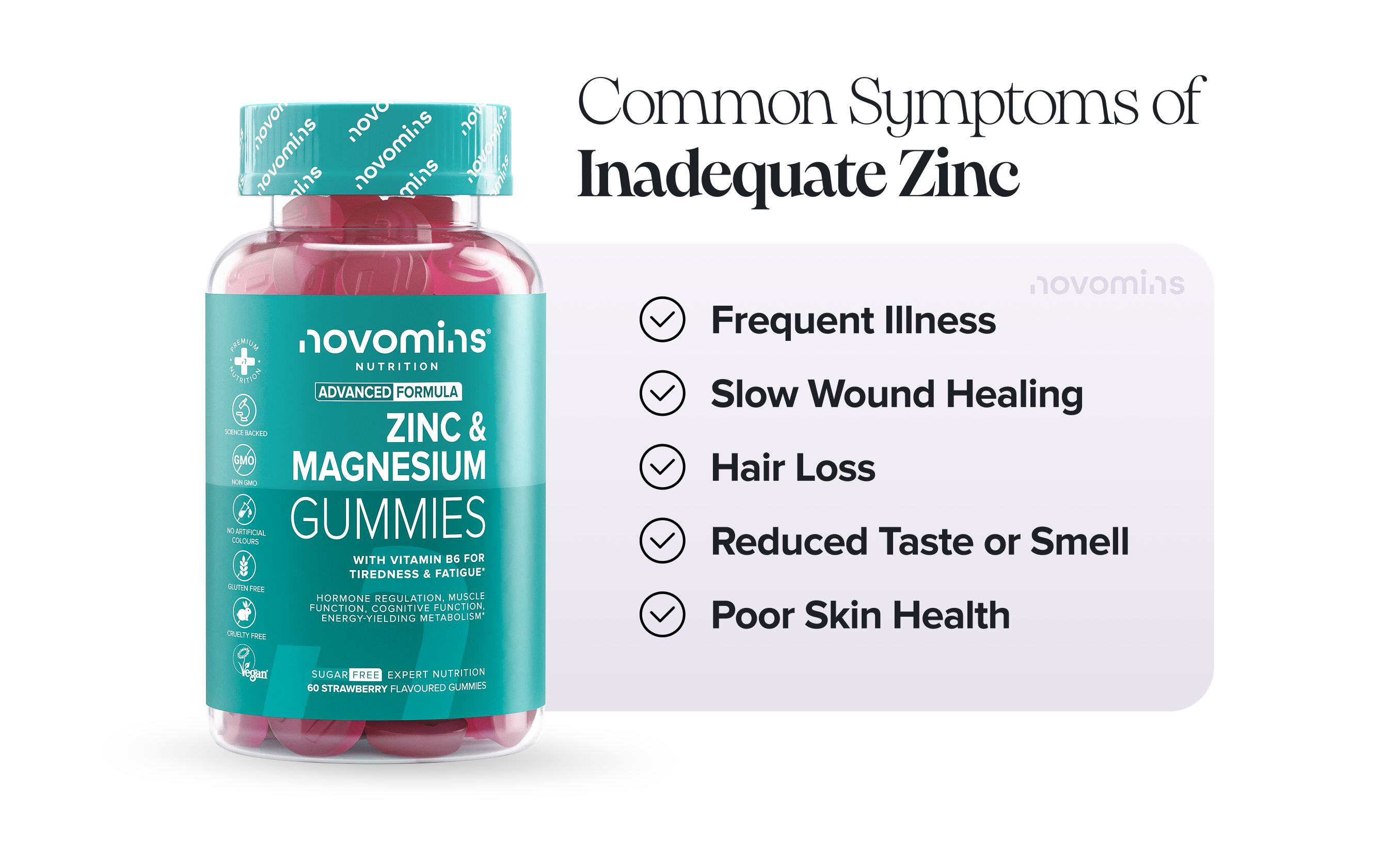
Why is zinc important? Zinc is involved in hundreds of enzyme activities in the human body making it essential for immune function, wound healing, skin health, and cellular repair. Zinc also supports healthy growth and development during pregnancy, infancy, childhood, and adolescence and is involved in the sense of taste.
Which foods are high in zinc? Oysters, seafood, meat, and fish are among the richest sources.
Why is zinc becoming harder to obtain? Modern soil depletion has reduced zinc availability in crops, while heavily processed diets often contain fewer naturally zinc-rich foods.
How common is zinc deficiency? Zinc deficiency affects nearly 2 billion people worldwide, particularly in developing countries, and is recognised by the World Health Organisation as a major contributor to the global disease burden.
View as text
Common Symptoms of Inadequate Zinc
- Frequent Illness
- Slow Wound Healing
- Hair Loss
- Reduced Taste or Smell
- Poor Skin Health
🔎 Since the body cannot store zinc efficiently, regular dietary intake is important.
Vitamin C
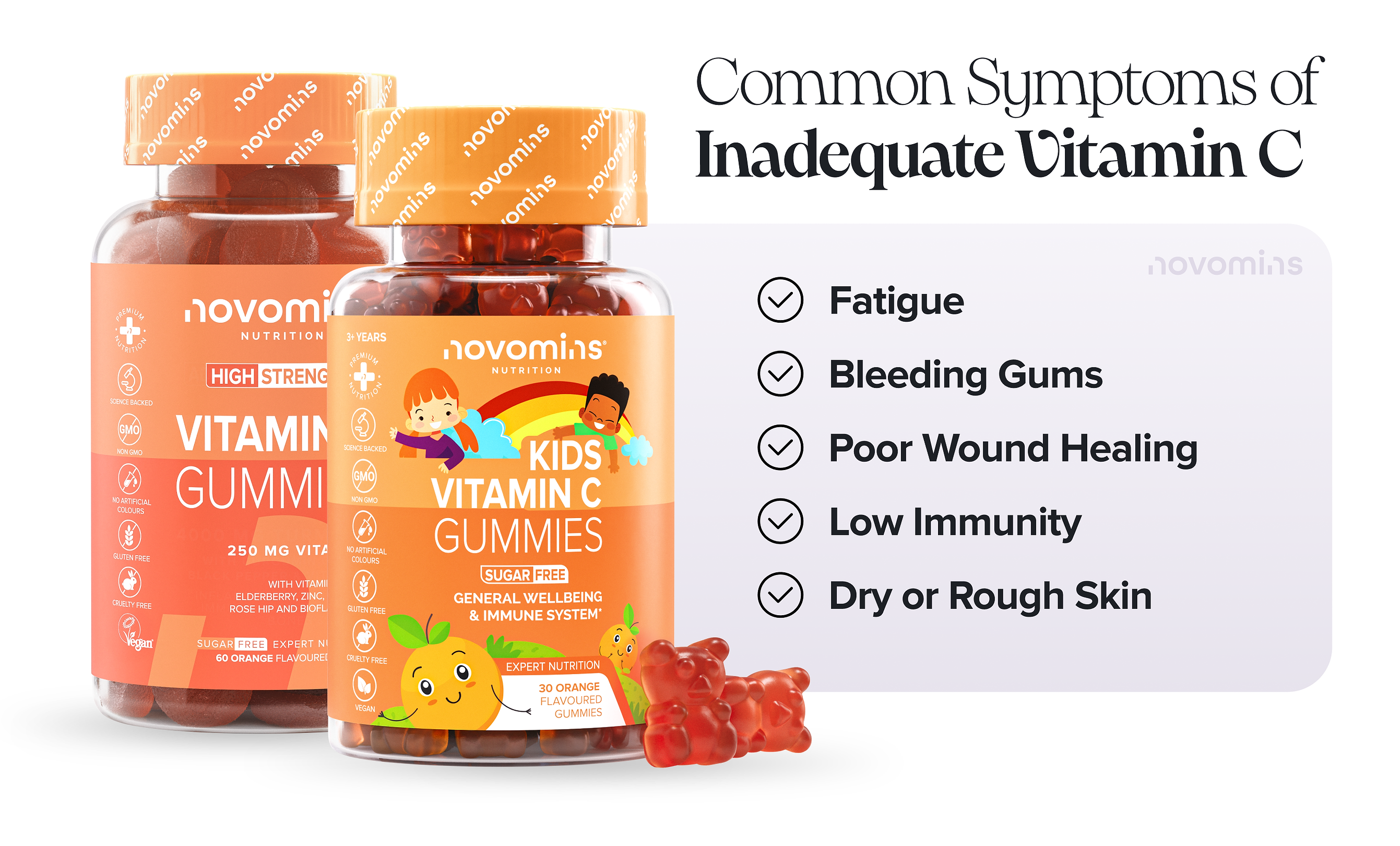
Why is vitamin C important? Vitamin C is an essential antioxidant involved in collagen production, immune support, iron absorption, and tissue repair.
Which foods are high in vitamin C? The best sources of vitamin C are fruits and vegetables, especially citrus fruits, red and green peppers, kiwifruit, broccoli, and Brussels sprouts.
Why are vitamin C levels changing? Vitamin C naturally declines after harvest, meaning long storage and transport periods may reduce levels before produce reaches consumers.
How common is vitamin C deficiency? Prevalence differs across regions, ranging from as low as 7.1% in the United States to as high as 73.9% in northern India.
View as text
Common Symptoms of Inadequate Vitamin C
- Fatigue
- Bleeding Gums
- Poor Wound Healing
- Low Immunity
- Dry or Rough Skin
🔎 Humans cannot produce vitamin C naturally, meaning we rely entirely on food intake for adequate levels.
Iodine
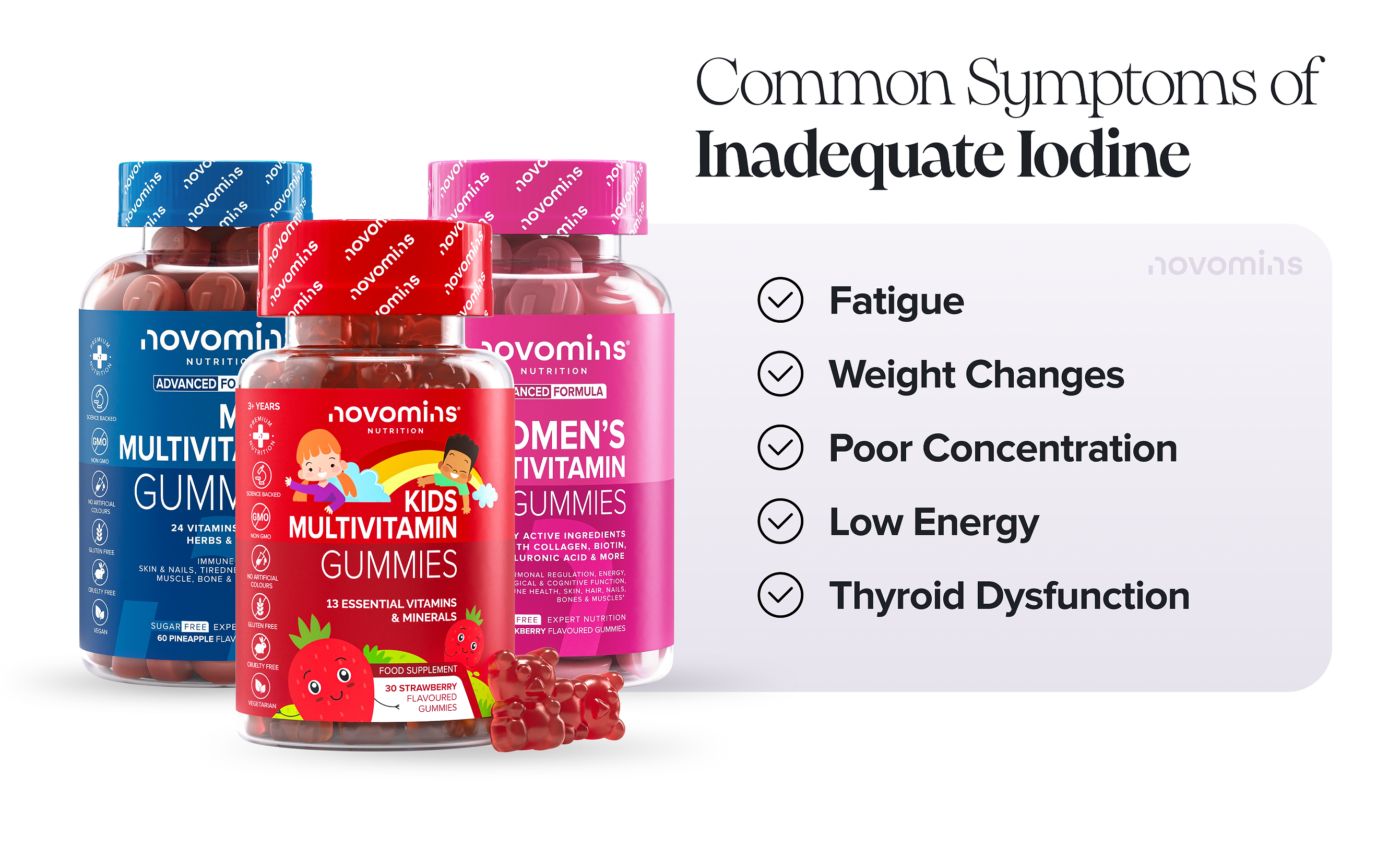
Why is iodine important? Iodine is required for thyroid hormone production, which regulates metabolism, growth, and brain development.
Why is iodine intake becoming inconsistent? Modern dietary patterns often include less seafood (due to high costs and short self-life) and fewer iodine-rich whole foods.
Which foods are high in iodine? Seaweed, cod, oysters, dairy, and eggs are key sources.
How common is iodine deficiency? In 2024, a study found that iodine deficiency is a significant burden globally, but more so in underdeveloped countries, where 2 billion people and 29.8% of school-age children are iodine deficient.
View as text
Common Symptoms of Inadequate Iodine
- Fatigue
- Weight Changes
- Poor Concentration
- Low Energy
- Thyroid Dysfunction
🔎 Iodine deficiency has been declared as the leading cause of preventable brain damage among children, resulting in impaired cognitive and motor development.
Calcium
Why is calcium important? Calcium is crucial for bone strength, muscle contractions, nerve signalling, and heart function.
Which foods are high in calcium? Milk, yogurt, and cheese contain high amounts of calcium.
Why are calcium concerns increasing? Lower dairy intake, restrictive diets, and declining vitamin D status may all affect calcium balance over time.
How common is calcium deficiency? While true clinical calcium deficiency (hypocalcemia) is rare, dietary calcium inadequacy is a widespread concern, affecting roughly 3.5 billion people worldwide.
View as text
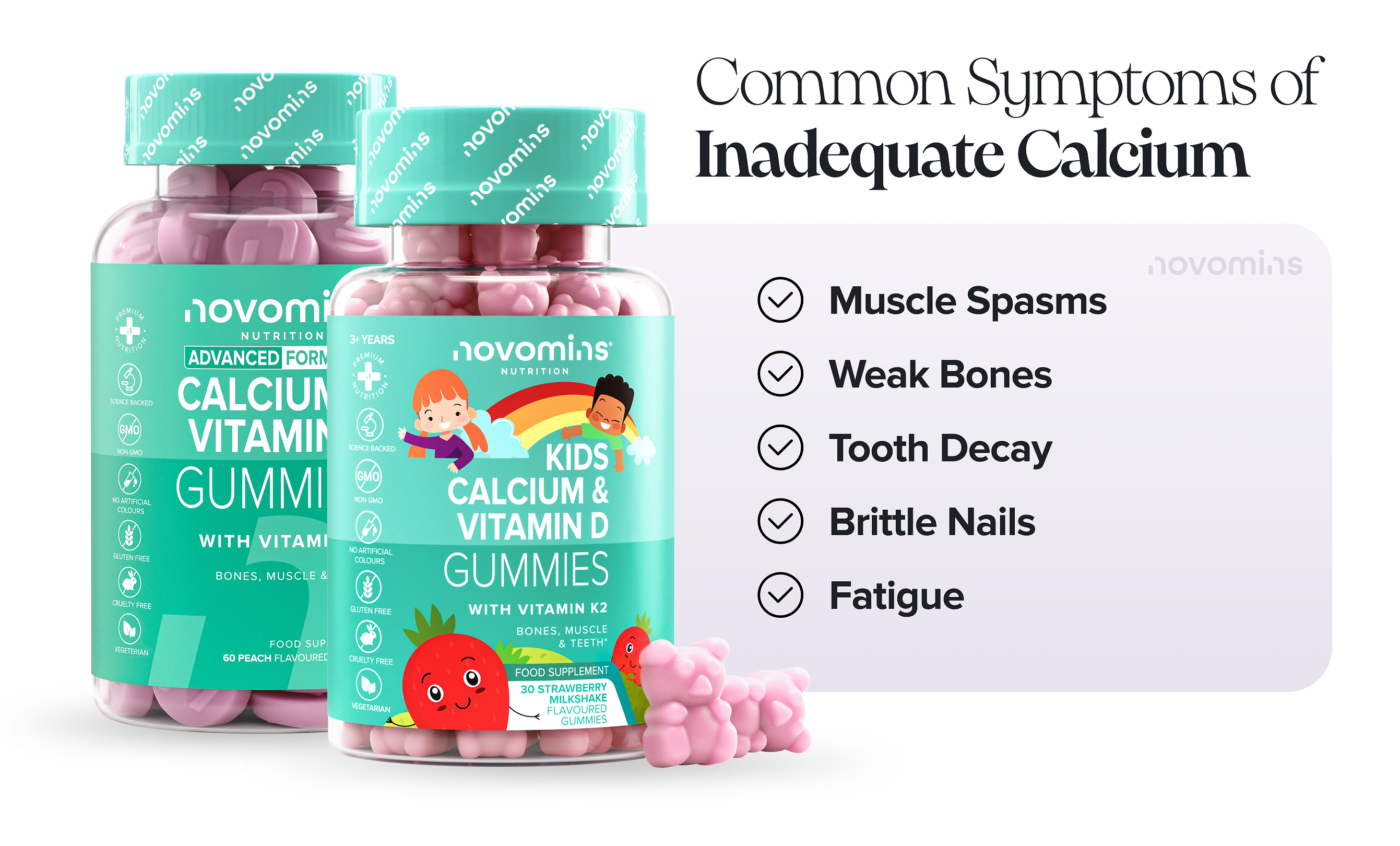
Common Symptoms of Inadequate Calcium
- Muscle Spasms
- Weak Bones
- Tooth Decay
- Brittle Nails
- Fatigue
Omega 3
Why is omega 3 important? Omega-3 fatty acids play key roles in supporting brain function, eye health, heart health, and inflammatory balance. EPA and DHA are the most biologically active forms of omega-3.
Which foods are high in omegas? The best, most direct sources of usable EPA and DHA are fatty fish like salmon, mackerel, and sardines.
Why is omega imbalance becoming more common? Modern diets are often overloaded with omega-6 fats from processed foods and seed oils while remaining low in omega-3-rich foods. Ideally, the omega-6 to omega-3 ratio may sit closer to around 1:1 to 4:1, but many modern diets reach 10:1 or even 20:1.
View as text
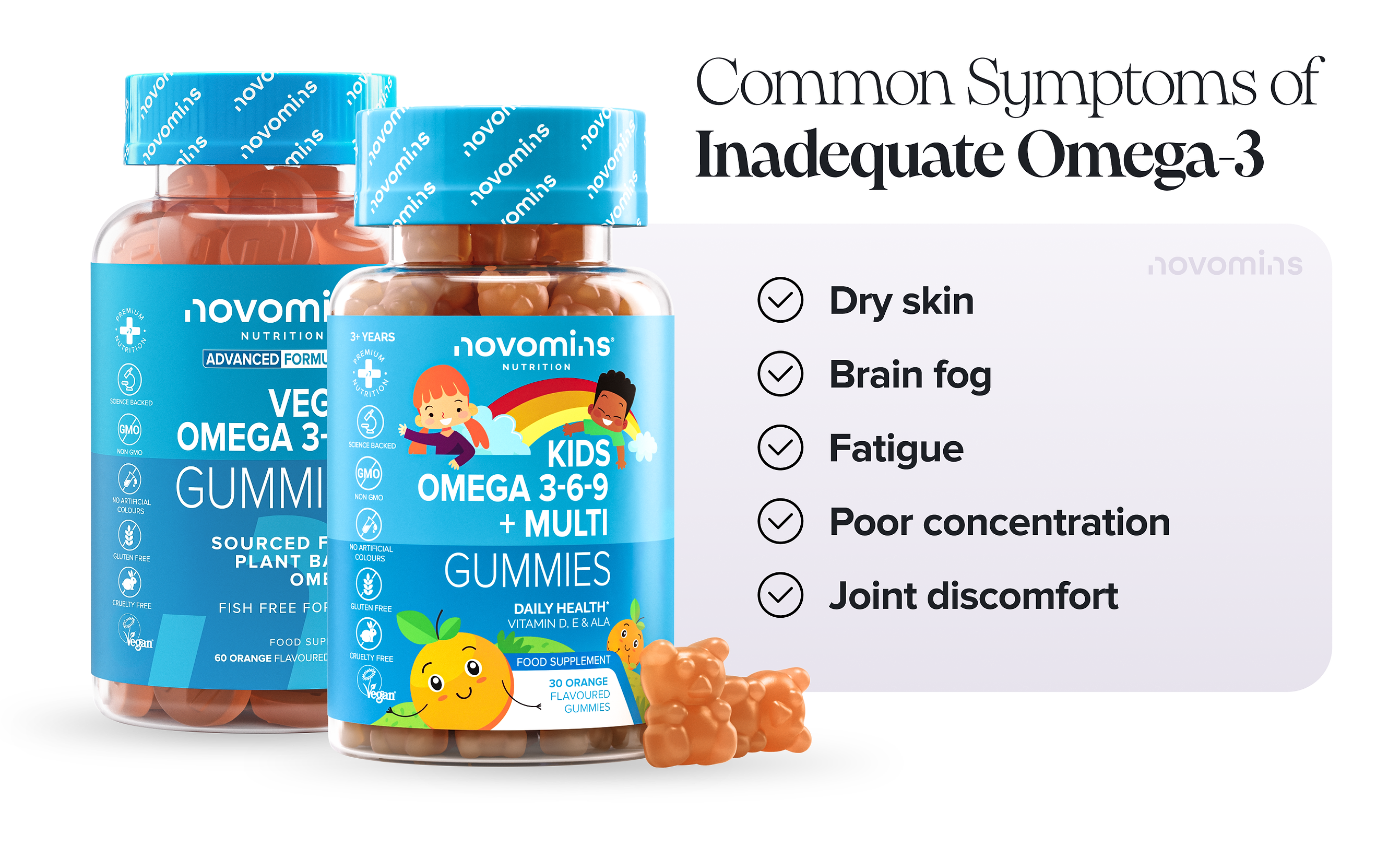
Common Symptoms of Inadequate Omega-3
- Dry skin
- Brain fog
- Fatigue
- Poor concentration
- Joint discomfort
Vitamin A
Why is vitamin A important? Vitamin A plays an essential role in vision, immune function, skin health, growth, and normal cellular development. It also supports the maintenance of healthy mucous membranes, which help protect the body against environmental stressors and infection.
Which foods are high in vitamin A? Vitamin A is found in foods such as liver, egg yolks, dairy products, and oily fish. The body can also convert beta-carotene from orange and dark green vegetables like carrots, sweet potatoes, spinach, and kale into vitamin A.
Why is vitamin A inadequacy becoming more prevalent? Vitamin A status is thought to be declining mainly due to lower intake of vitamin A-rich foods, highly processed modern diets, and reduced nutrient density in produce caused by intensive farming and soil depletion. Poor dietary diversity and limited absorption from very low-fat diets may also contribute to lower vitamin A levels over time.
How common is vitamin A deficiency? Vitamin A deficiency remains one of the most widespread micronutrient deficiencies globally, particularly in low- and middle-income countries. Research estimates that around 29% to 33% of preschool-age children worldwide are affected.
View as text
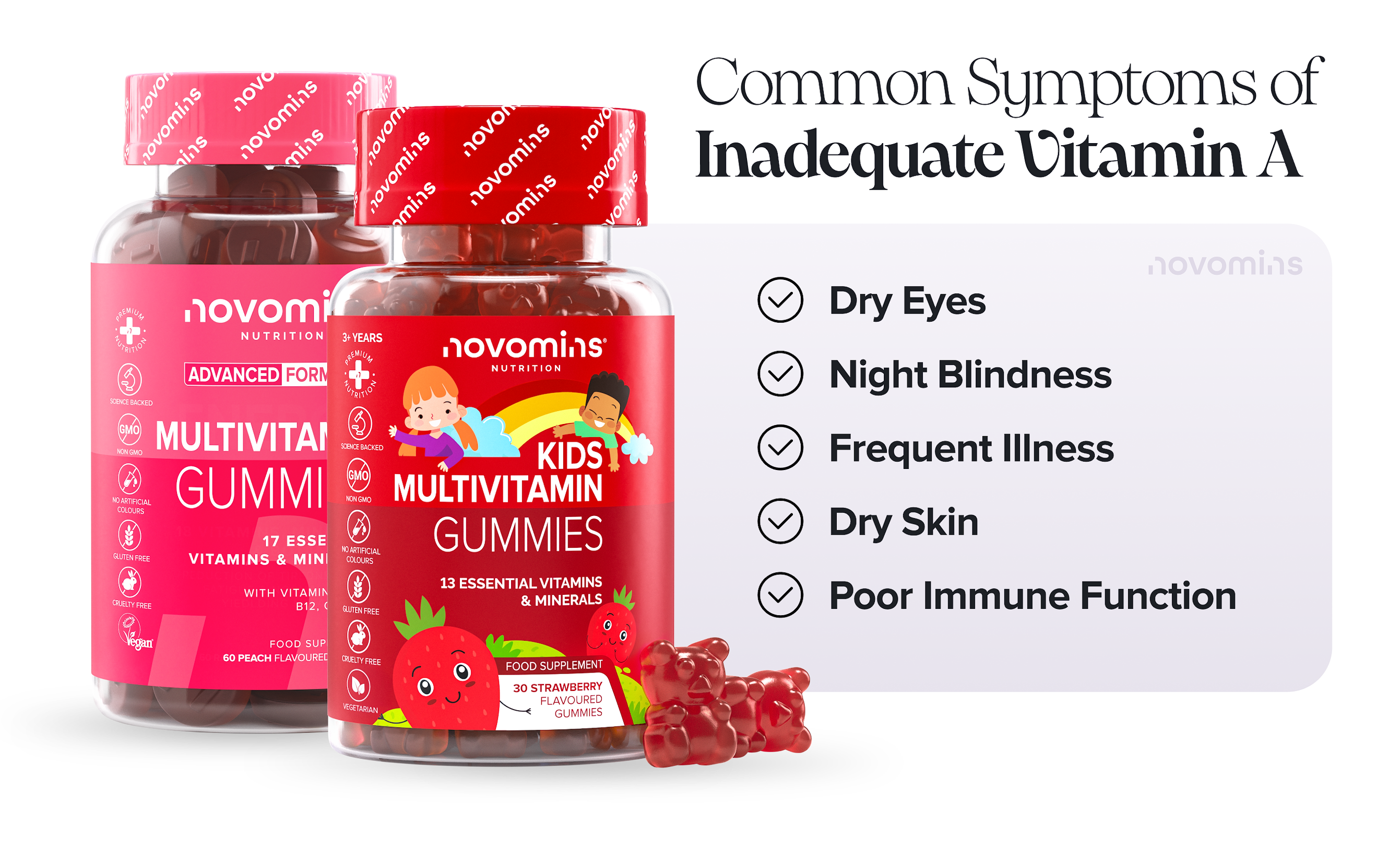
Common Symptoms of Inadequate Vitamin A
- Dry Eyes
- Night Blindness
- Frequent Illness
- Dry Skin
- Poor Immune Function
🔎 Vitamin A deficiency is also recognised as one of the leading causes of preventable childhood blindness globally and has been studied for its potential to increase vulnerability to infections such as measles and diarrhoeal disease.
Do I Need To Take All These Supplements?
Definitely not.
The goal of supplementation is not to turn your kitchen counter into a pharmacy. It is about identifying where modern diets and lifestyles may leave nutritional gaps, then supporting your body intentionally.
Not everyone needs the same nutrients, and not every supplement is necessary for every person.
View as text
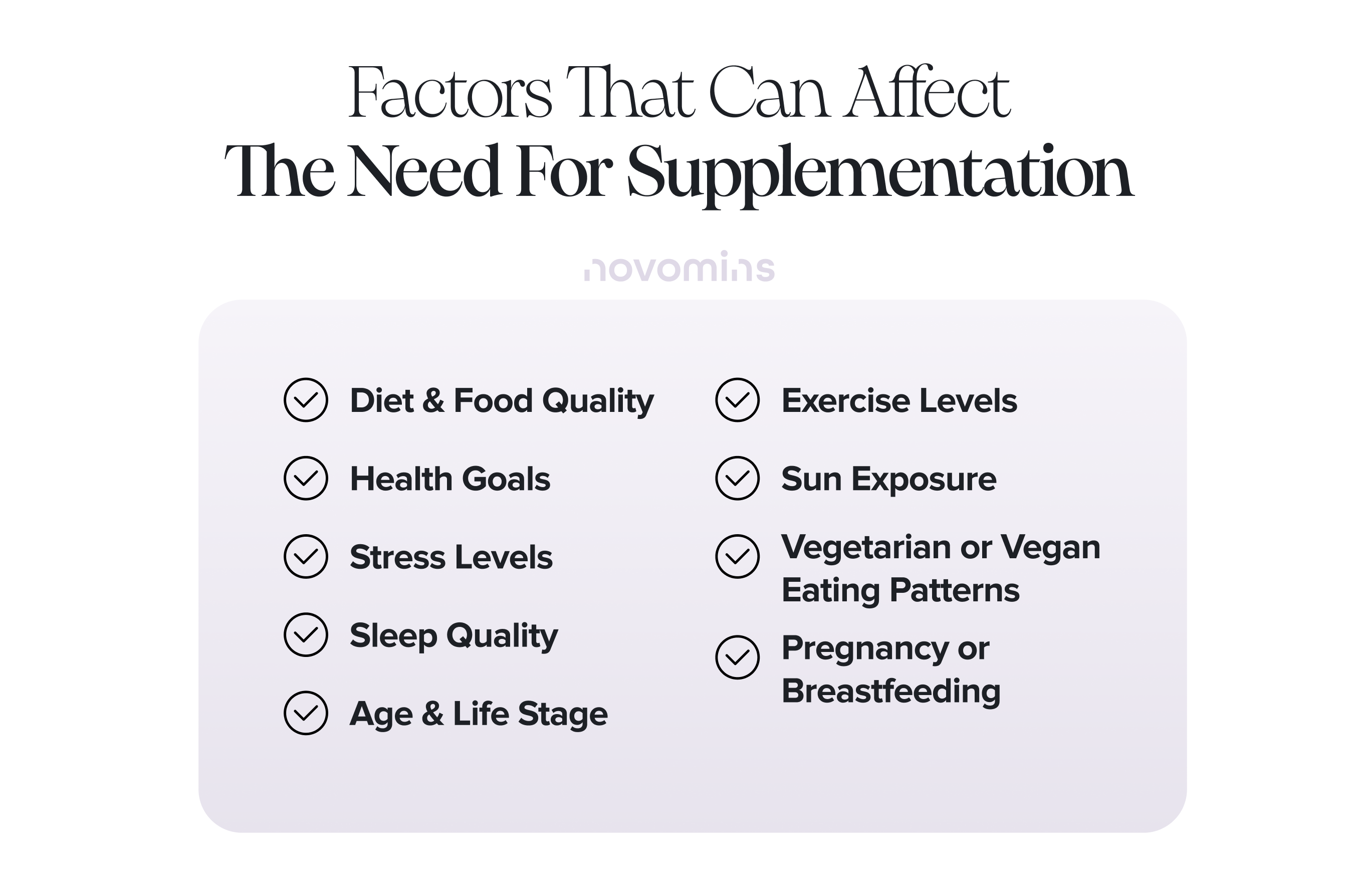
Factors That Can Affect The Need For Supplementation
- Diet & Food Quality
- Health Goals
- Stress Levels
- Sleep Quality
- Age & Life Stage
- Exercise Levels
- Sun Exposure
- Vegetarian or Vegan Eating Patterns
- Pregnancy or Breastfeeding
For example:
- Someone who spends most of their day indoors may benefit from vitamin D support.
- Women with heavy menstrual cycles may be more prone to low iron levels.
- Vegans and vegetarians are often at higher risk of vitamin B12 inadequacy.
- People eating highly processed diets may struggle to meet magnesium, fibre, and omega-3 requirements.
Supplementation should support a balanced lifestyle, not replace one. Think of supplements less as a “fix” and more as nutritional support in a modern world where food quality, stress, lifestyle demands, and nutrient intake do not always align perfectly.
Because wellness is not about taking everything, it is about giving your body what it may genuinely be missing.

Supplementation Is Not “Cheating”
There’s this strange idea that taking supplements means you are unhealthy or not trying hard enough. But supplementation is not about replacing healthy habits, it is about supporting your body in a world where food, soil, and lifestyles have changed dramatically.
Your great-grandmother’s vegetables were fresher, more local, less processed, and often grown in healthier soil. She possibly had a lot less stimulation and constant demands than you have today. That matters.
Because modern wellness is not just about eating your vegetables anymore, it is about recognising that those vegetables are not quite what they used to be.
We have a gummy for it!
🛒 SHOP ALL