




GLP-1 has changed the appetite conversation.
For many people, hunger feels quieter, portions naturally become smaller, and the constant food noise that once dominated the day begins to fade.
But there’s another conversation that deserves just as much attention.
When you eat less, you’re not only reducing your calorie intake. You’re also reducing the opportunity to get enough protein, fibre, vitamins, minerals and fluids, all of which your body still needs to function at its best.
Your appetite may have changed, but your nutritional needs haven’t. In fact, getting the right nutrients becomes even more important when every meal is smaller.
Why Nutrition Matters More On GLP-1
GLP-1 based therapies are prescribed alongside a reduced-calorie diet and increased physical activity to support long-term weight management. They work by helping you feel fuller for longer and slowing the rate at which food leaves the stomach, which naturally leads many people to eat less.
While this reduced appetite can support weight loss, it also means there are fewer opportunities throughout the day to consume the nutrients your body relies on.
View as text
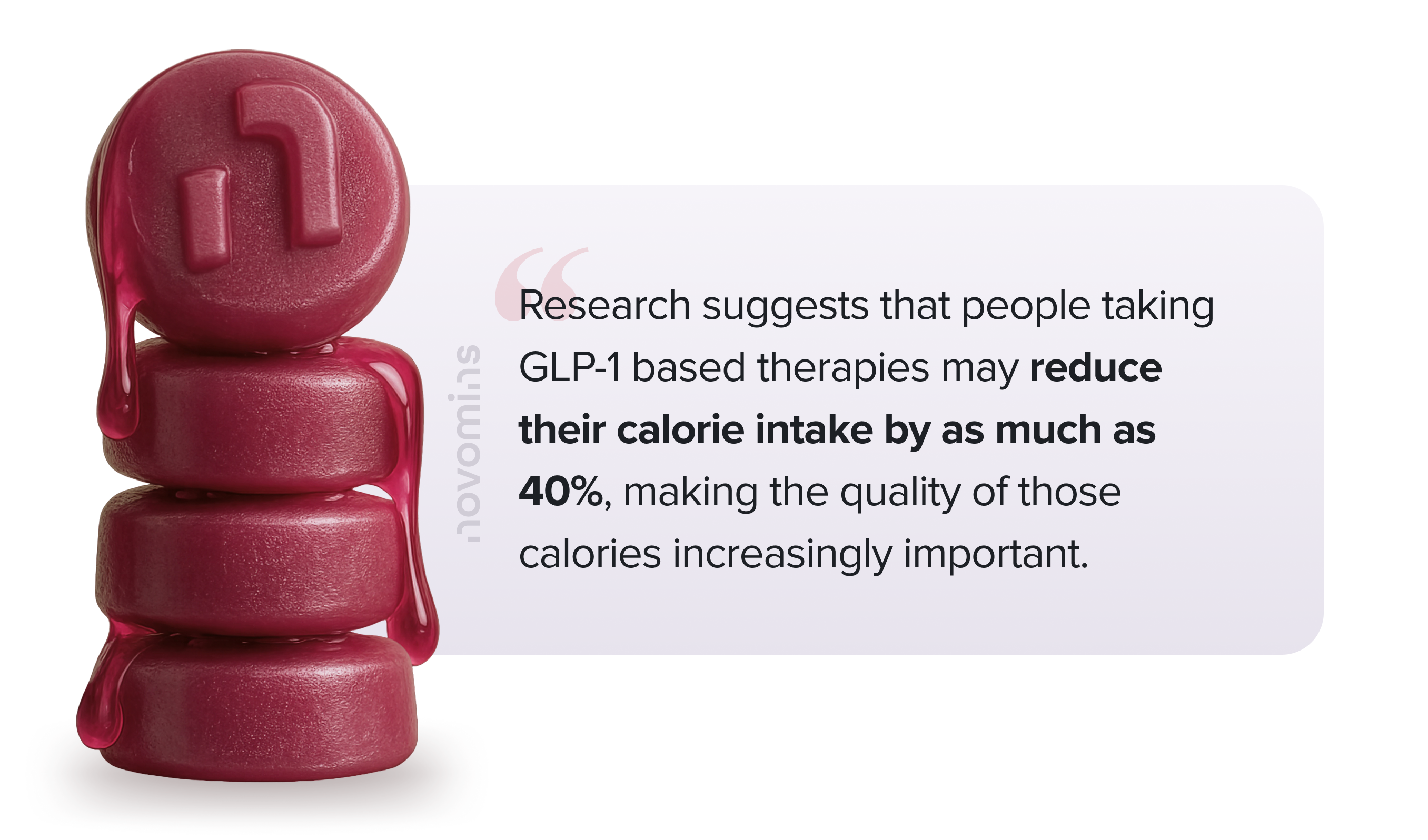
Research suggests that people taking GLP-1 based therapies may reduce their calorie intake by as much as 40%, making the quality of those calories increasingly important.
A recent review on nutrition management during GLP-1 based therapy found that many people do not receive adequate nutrition guidance, despite the important role that nutrition plays in preserving muscle mass, supporting hydration, maintaining digestive health and helping to prevent nutrient deficiencies during weight loss.
The focus should no longer be on simply eating less. It should be on eating smarter, prioritising protein, fibre, fluids and nutrient-dense foods so your body continues to get what it needs while you work towards your weight management goals.
Eating Less Doesn’t Always Mean Eating Better
One of the biggest misconceptions about GLP-1 based therapies is that eating less automatically means eating healthier.
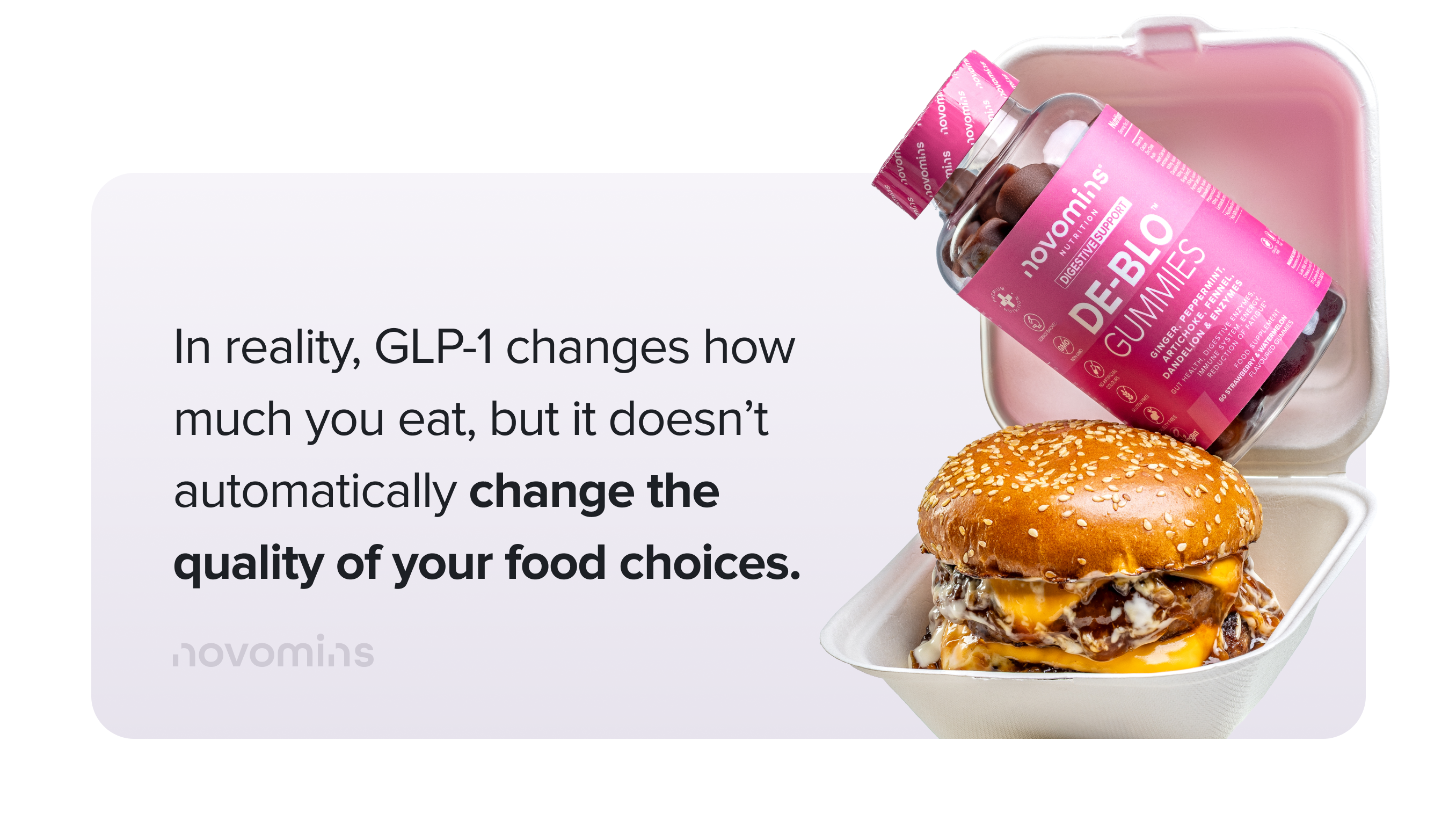
If your diet already includes plenty of protein, vegetables, fruit, whole grains and other nutrient-dense foods, eating smaller portions may still provide many of the nutrients your body needs. But if your meals are often made up of highly processed, nutrient-poor foods, eating less may simply mean you’re getting fewer nutrients overall.
That’s why nutrition becomes even more important during GLP-1 based therapy. When every meal is smaller, every bite needs to work harder. Choosing foods rich in protein, fibre, vitamins and minerals can help ensure your body continues to receive the nutrients it needs, even with a reduced appetite.
The goal isn’t simply to eat less. It’s to make the food you do eat count.
Protein: The Nutrient You Can’t Afford To Skip
When people think about losing weight, they usually think about losing fat. But unless you’re getting enough protein, your body can also lose lean muscle mass along the way.
Muscle plays an important role in movement, strength, metabolism and healthy ageing. It supports balance, physical function and independence, while healthy bones provide the foundation that keeps you moving.
Research highlights preserving both muscle and bone mass as key priorities for people using GLP-1 based therapies. As body weight decreases, so does the mechanical loading placed on bones.
View as text
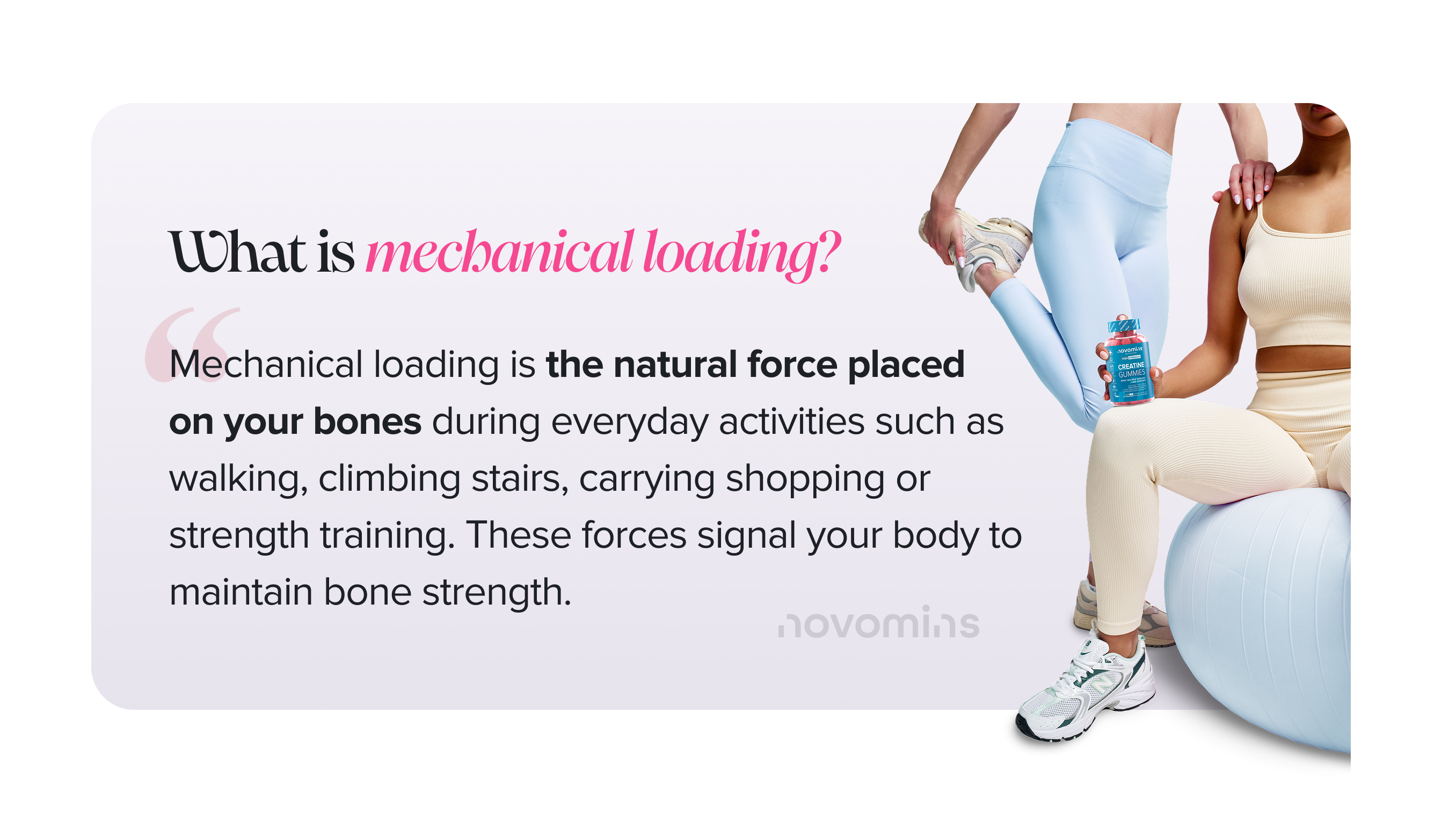
What is mechanical loading?
Mechanical loading is the natural force placed on your bones during everyday activities such as walking, climbing stairs, carrying shopping or strength training. These forces signal your body to maintain bone strength.
For this reason, experts recommend combining adequate protein intake with regular resistance training to help preserve muscle and support bone health throughout your weight management journey.
The goal isn’t simply to lose weight. It’s to lose fat while preserving the tissues that keep you strong, mobile and independent.
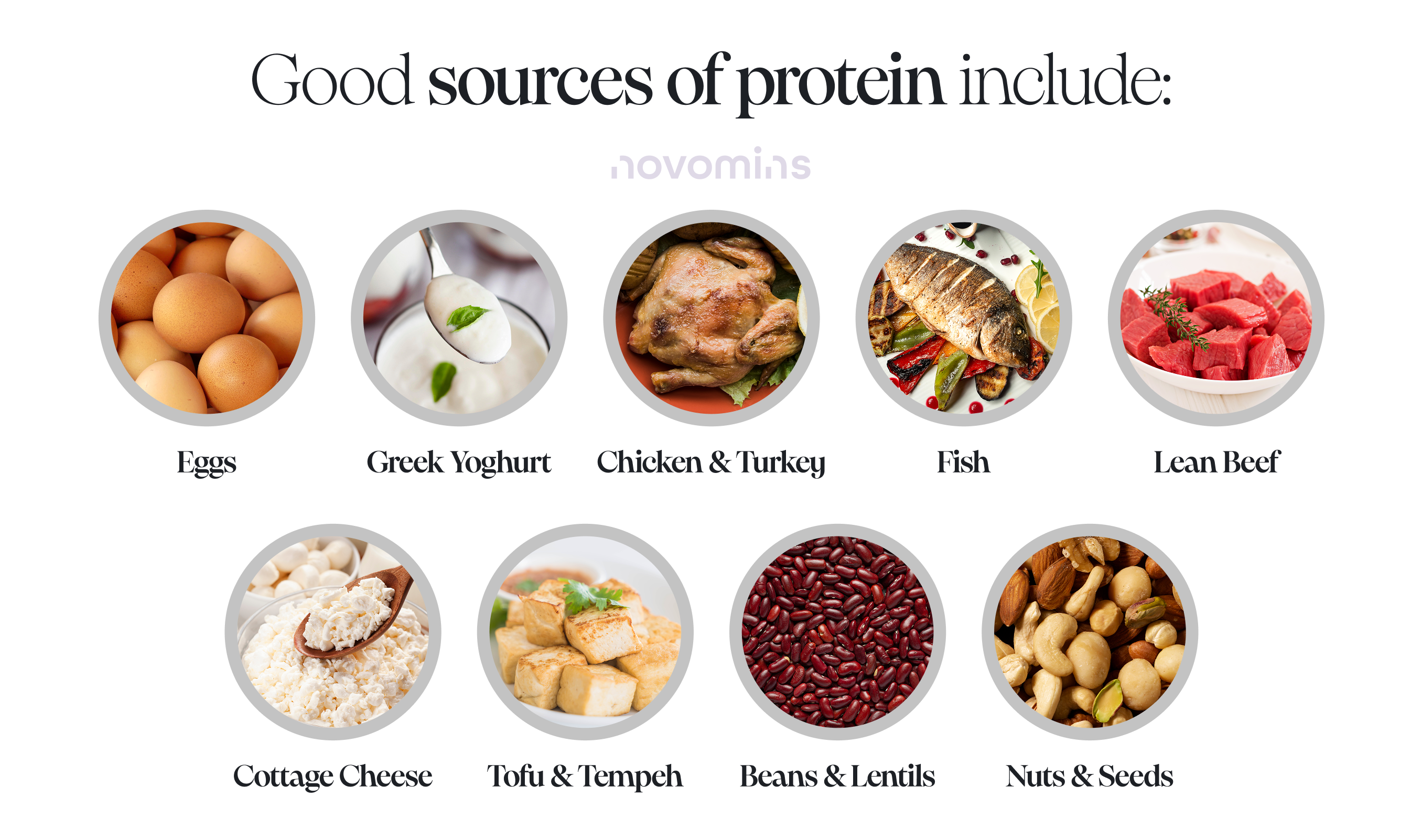
Rather than saving most of your protein for dinner, aim to include a quality source with every meal and snack. Spreading your protein intake across the day may be particularly beneficial when you’re naturally eating smaller portions.
View as text
- Eggs
- Greek Yoghurt
- Chicken & Turkey
- Fish
- Lean Beef
- Cottage Cheese
- Tofu & Tempeh
- Beans & Lentils
- Nuts & Seeds
Some expert recommendations suggest aiming for approximately 1 to 1.5 g of protein per kilogram of body weight, while others propose a practical target of 80 to 120 g per day for many adults using GLP-1 based therapies.
The right amount depends on factors such as your age, activity levels, body composition and overall health, so it’s always worth discussing your individual needs with your healthcare provider or a registered dietitian.
Where Creatine Fits In
Protein provides the building blocks for muscle, while resistance training gives your muscles a reason to keep them.
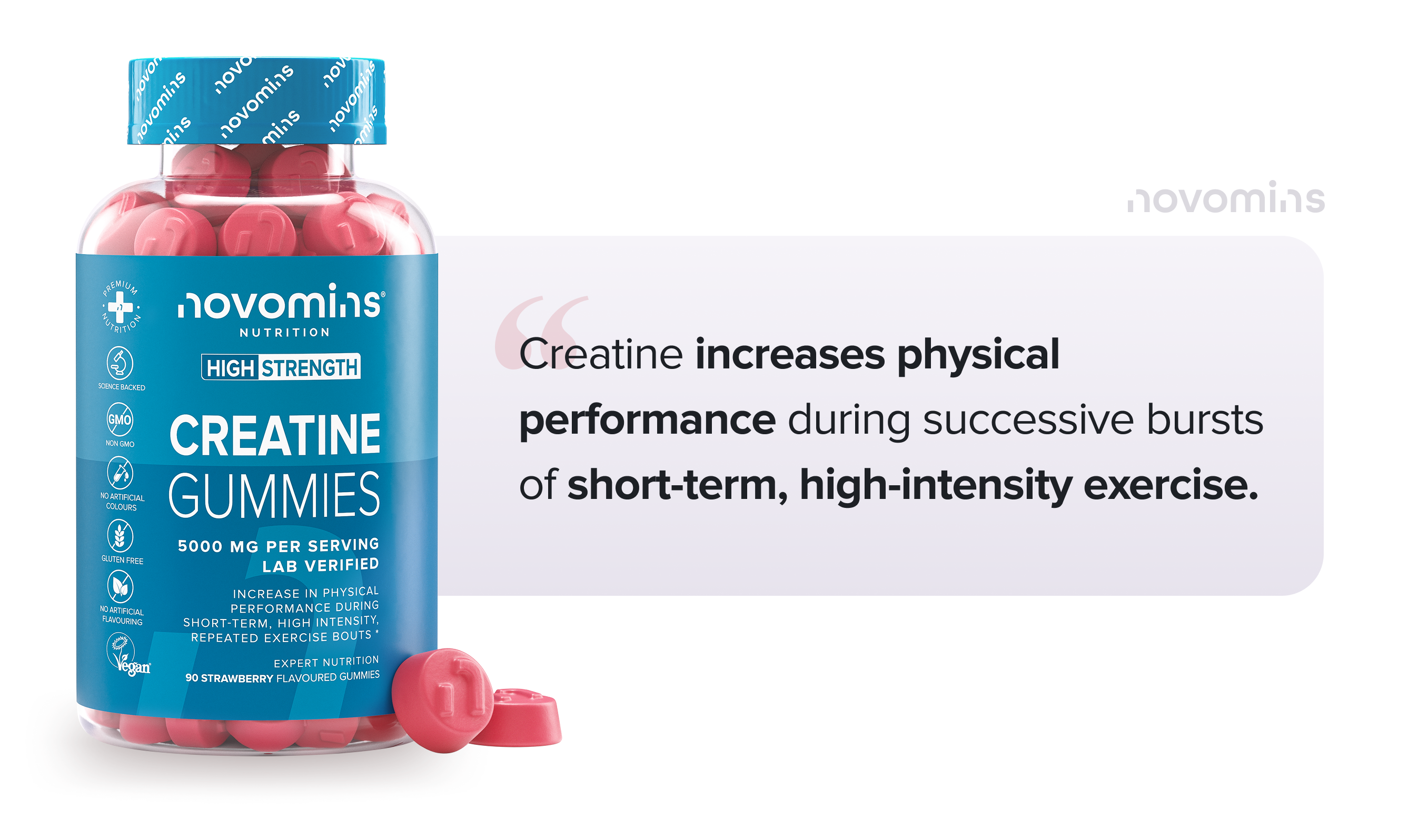
Together with adequate protein intake and regular strength training, it can help support an active lifestyle while you’re working towards your weight management goals.
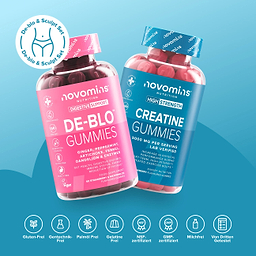
Novomins Creatine Gummies contain 5000mg of lab-verified, sugar-free creatine in each serving.

Fibre: The Nutrient That Often Disappears First
When your meals become smaller, fibre is often one of the first nutrients to fall short.
That’s because many of the foods naturally rich in fibre, such as fruit, vegetables, whole grains, beans and legumes, take up valuable space on your plate. If you’re eating less overall, it becomes easier to miss your daily target without even realising it.
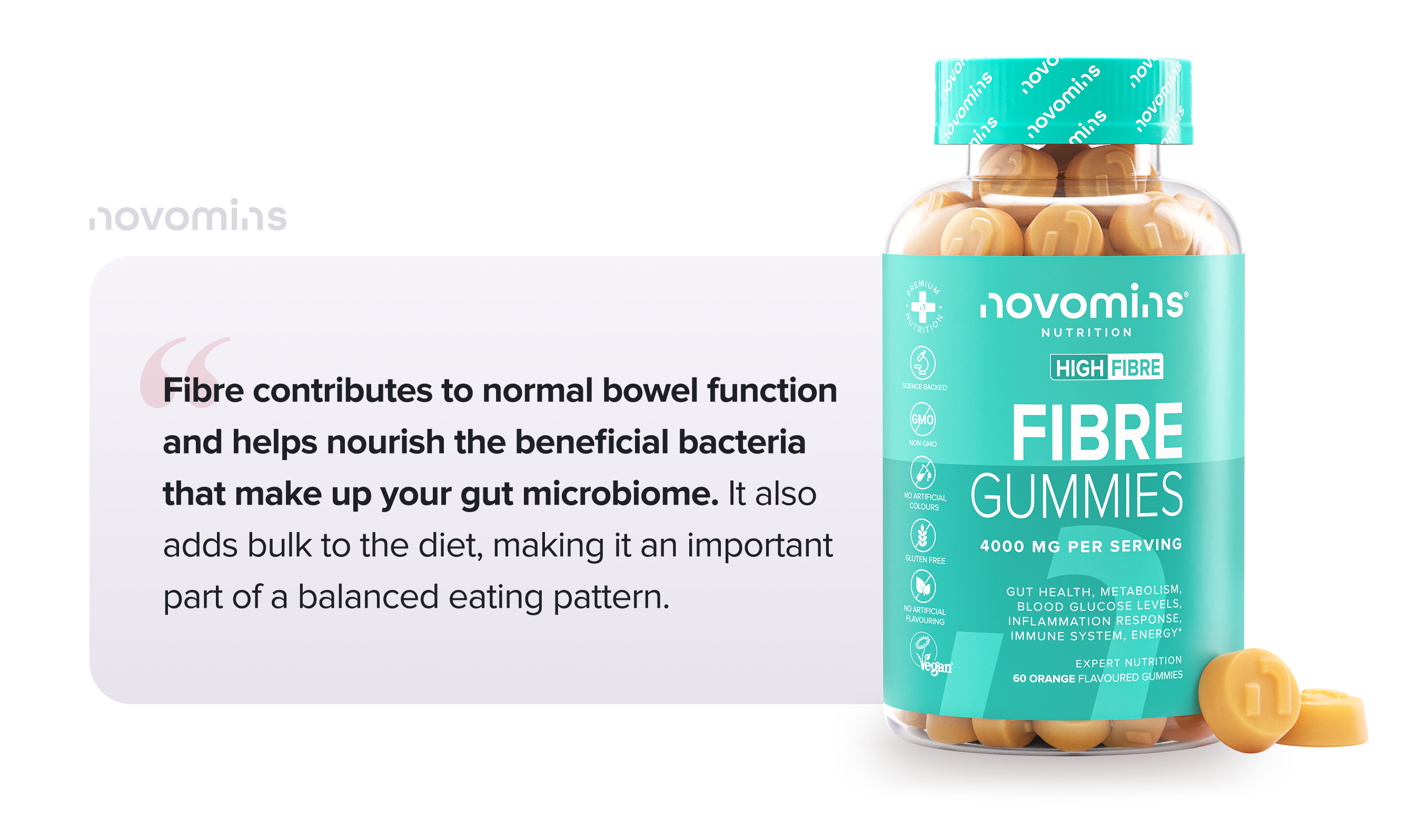
Digestive changes are also among the most commonly reported side effects of GLP-1 based therapies. Constipation, in particular, is frequently experienced, making adequate fibre and fluid intake even more important.
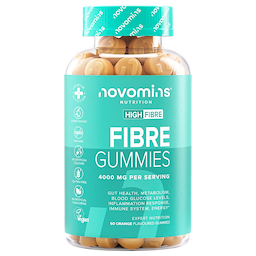
Most adults are recommended to consume around 30 g of fibre per day, yet many people fall well short of this target with UK adults consuming an average of only 18g per day!
View as text
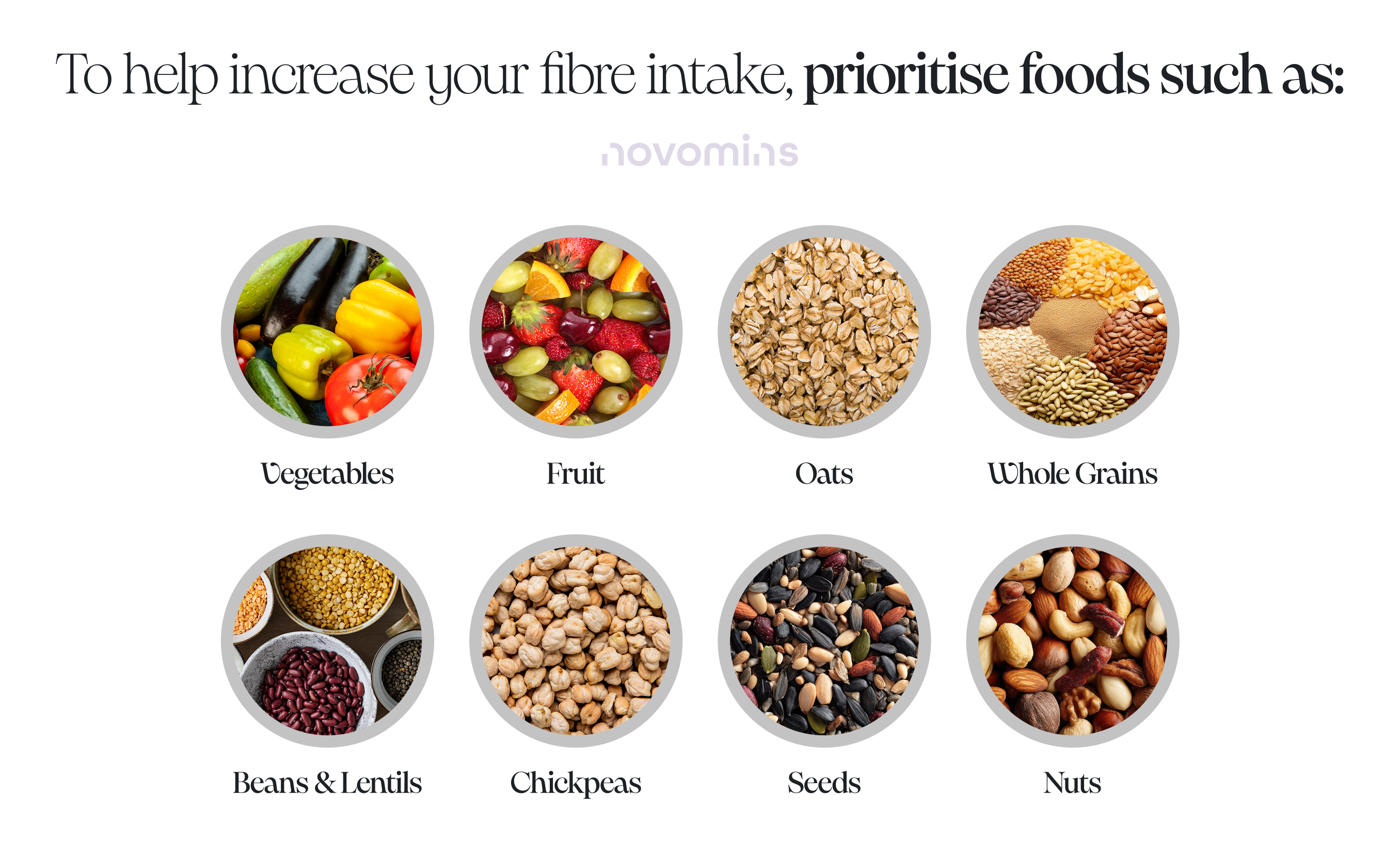
To help increase your fibre intake, prioritise foods such as:
- Vegetables
- Fruit
- Oats
- Whole Grains
- Beans & Lentils
- Chickpeas
- Seeds
- Nuts
If you’re increasing your fibre intake, remember to increase your fluid intake too. Fibre works best when it’s paired with adequate hydration.
Where De-Blo Fits In
If your digestive routine feels a little different while adjusting to GLP-1, supporting your gut can be just as important as supporting your weight management goals.
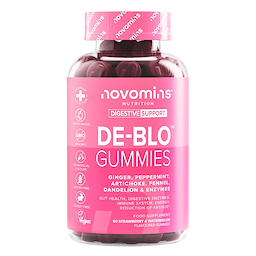
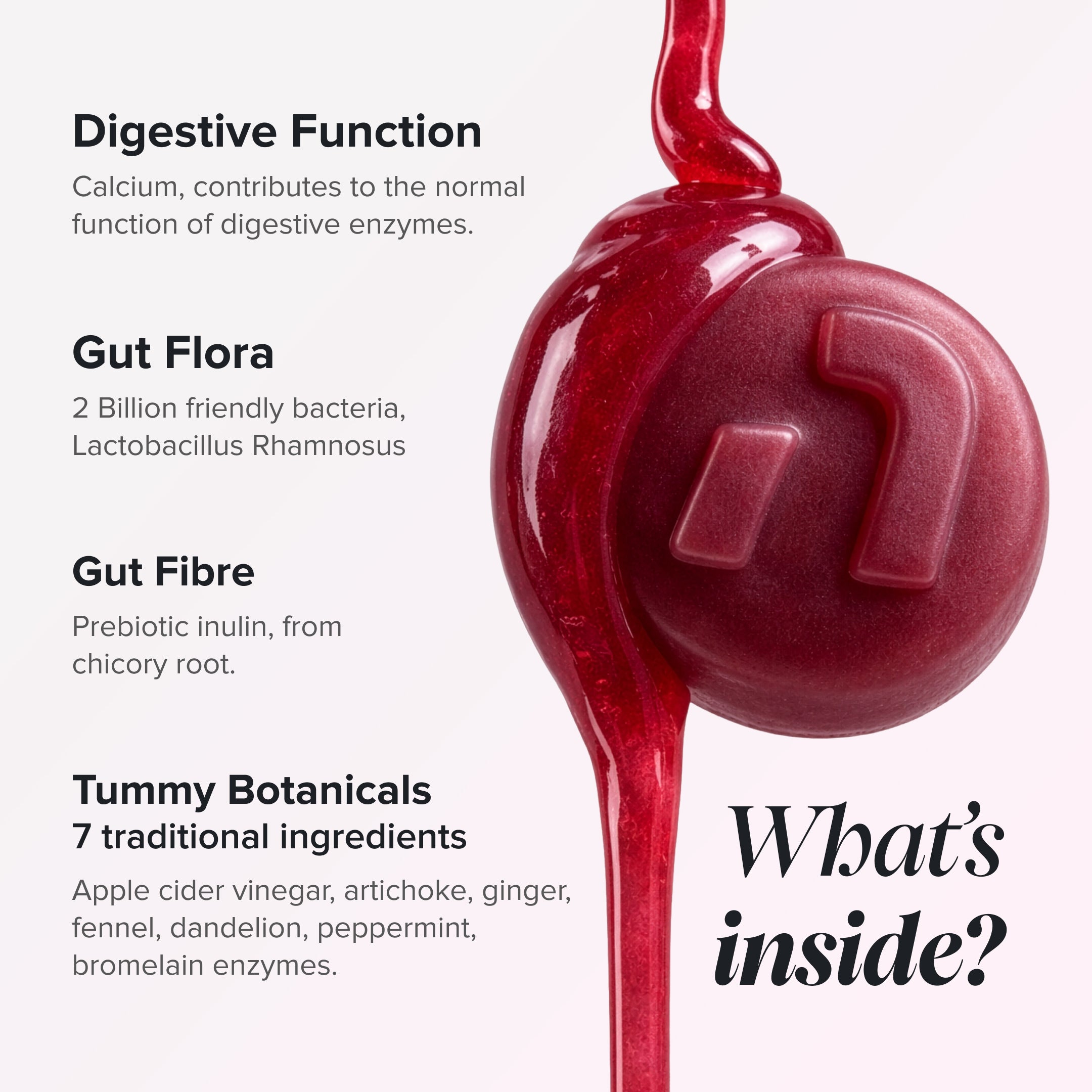
Novomins De-Blo Gummies combine prebiotic fibre, beneficial bacteria, botanicals, vitamin B6 and zinc to complement a balanced diet and support digestive wellness.
View as text
What's inside?
-
Digestive Function
Calcium, contributes to the normal function of digestive enzymes. -
Gut Flora
2 Billion friendly bacteria, Lactobacillus Rhamnosus -
Gut Fibre
Prebiotic inulin, from chicory root. -
Tummy Botanicals
7 traditional ingredients
Apple cider vinegar, artichoke, ginger, fennel, dandelion, peppermint, bromelain enzymes.
They’re designed to work alongside healthy eating habits, not replace them, helping you build a stronger nutritional foundation while your appetite adapts.
Hydration: It’s Not Just About Drinking More Water
Eating less doesn’t only affect the nutrients on your plate. It can also affect how much fluid you consume.
Many water-rich foods, including fruit, vegetables, soups and yoghurt, contribute to your daily hydration. When portions become smaller, your fluid intake may naturally decrease too.
Research also suggests that GLP-1 based therapies may reduce thirst, making it even easier to drink less than your body needs.
View as text
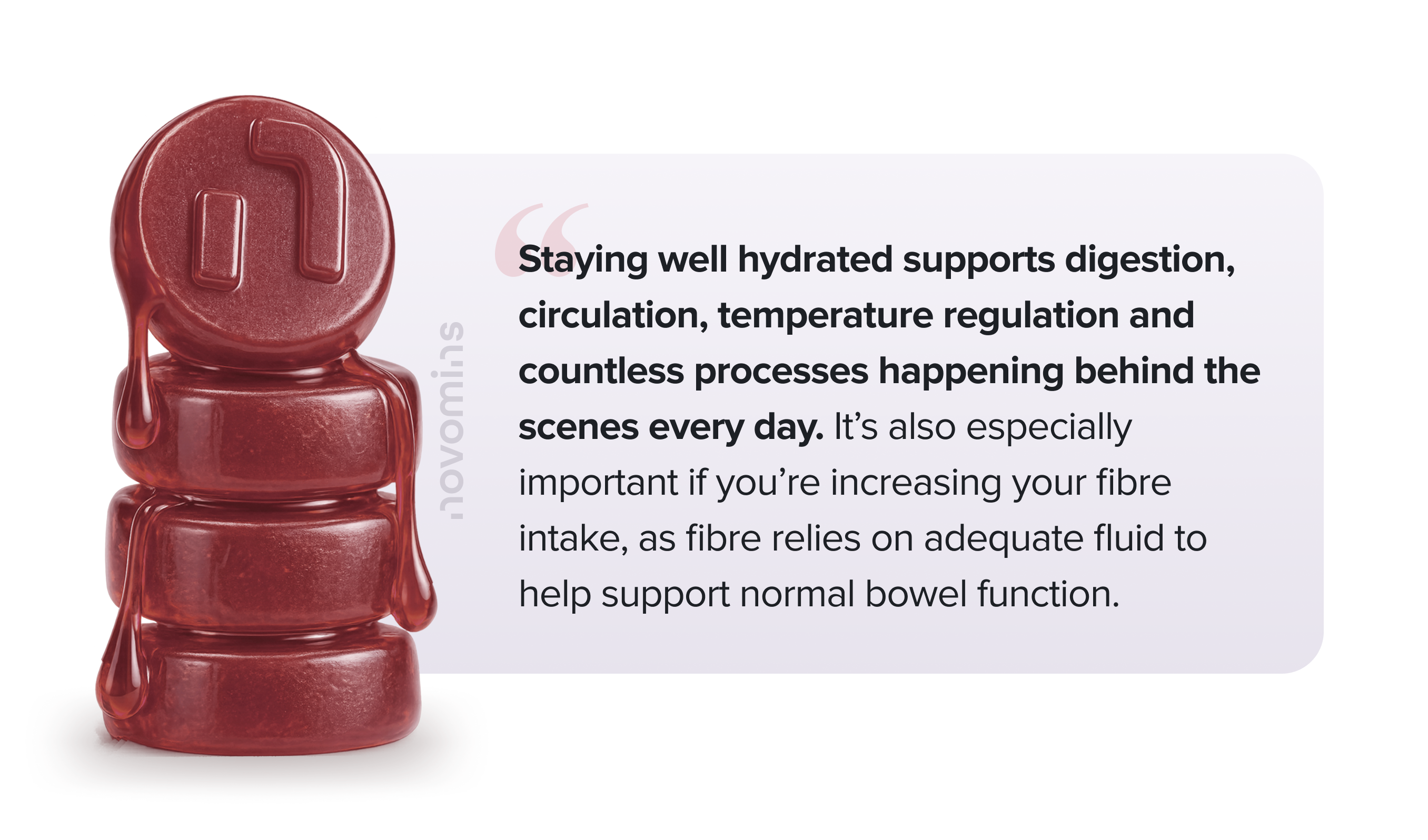
Staying well hydrated supports digestion, circulation, temperature regulation and countless processes happening behind the scenes every day. It’s also especially important if you’re increasing your fibre intake, as fibre relies on adequate fluid to help support normal bowel function.
Many people using GLP-1 based therapies also report muscle cramps, particularly at night. While there are several possible causes, including dehydration, low food intake and changes in electrolyte balance, staying well hydrated and meeting your nutritional needs can help support normal muscle function.
Hydration, however, isn’t just about water. Your body also relies on electrolytes, minerals that help regulate fluid balance and support normal muscle and nerve function.
Where Magnesium Fits In
View as text
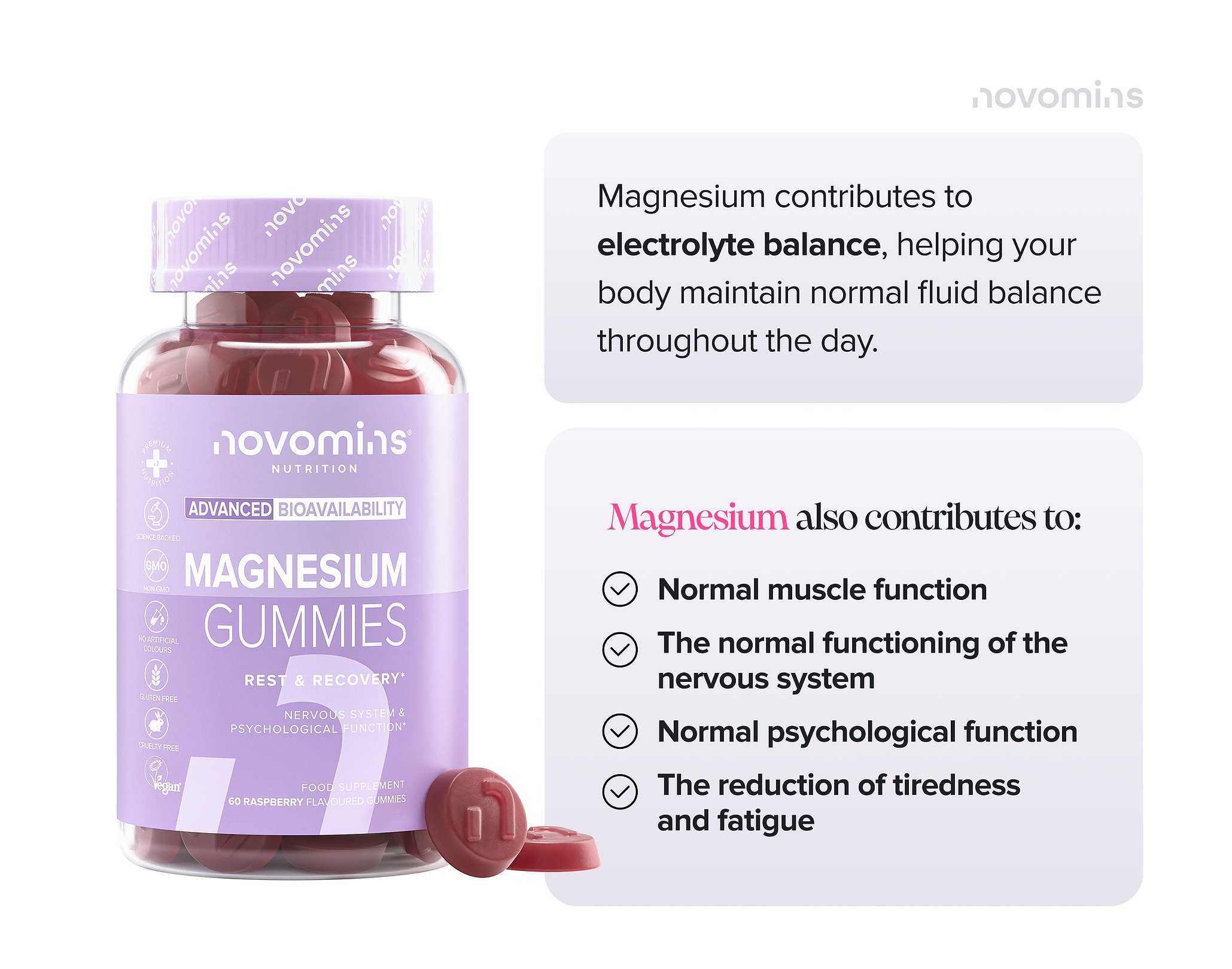
Magnesium contributes to electrolyte balance, helping your body maintain normal fluid balance throughout the day.
Magnesium also contributes to:
- Normal muscle function
- The normal functioning of the nervous system
- Normal psychological function
- The reduction of tiredness and fatigue
Foods such as leafy green vegetables, nuts, seeds, beans and whole grains naturally provide magnesium, but if you’re eating less overall, these nutrients can become harder to obtain consistently.
Magnesium citrate is also commonly chosen by people looking to support their overall digestive routine as it is known to support bowel movement.
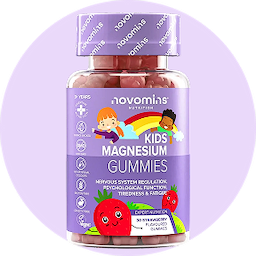
Novomins Magnesium Gummies offer a convenient way to complement a balanced diet while supporting your daily magnesium intake and overall hydration routine.

Collagen: Supporting Your Skin During Weight Loss
When people lose weight quickly, the changes aren’t always limited to the number on the scale. Rapid fat loss can also change the appearance of the skin, particularly around the face, neck and body.
View as text
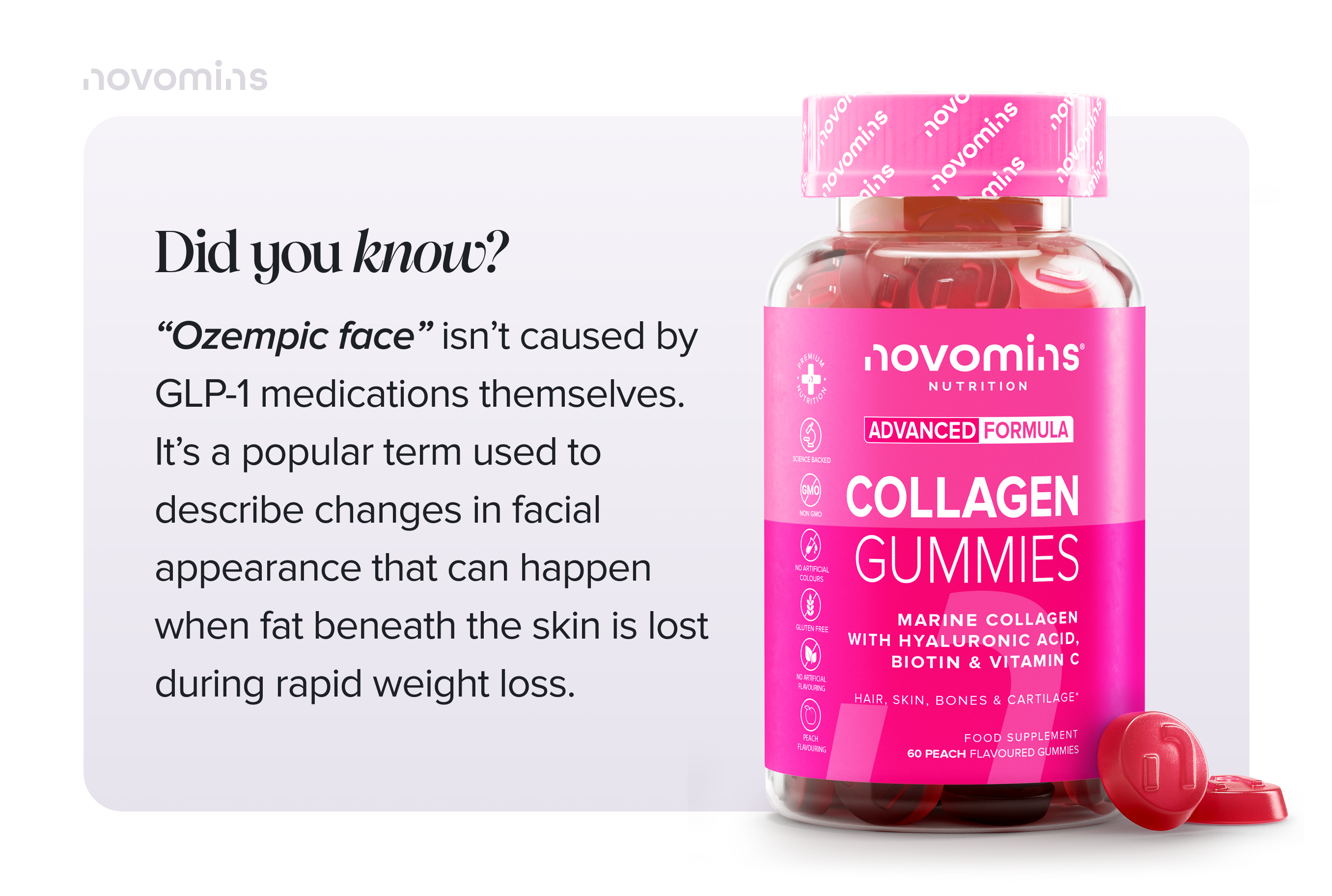
Did you know?
“Ozempic face” isn’t caused by GLP-1 medications themselves. It’s a popular term used to describe changes in facial appearance that can happen when fat beneath the skin is lost during rapid weight loss.
Age also plays a role. From our mid-twenties onwards, the body’s natural collagen production gradually declines, meaning the skin becomes less resilient over time. When this natural decline is combined with significant weight loss, some people may notice that their skin appears less firm than before.
Good nutrition plays an important role in supporting healthy skin throughout your weight management journey. Eating enough protein, staying well hydrated and consuming nutrients involved in normal collagen formation can all help support your skin from within.
Where Collagen Fits In
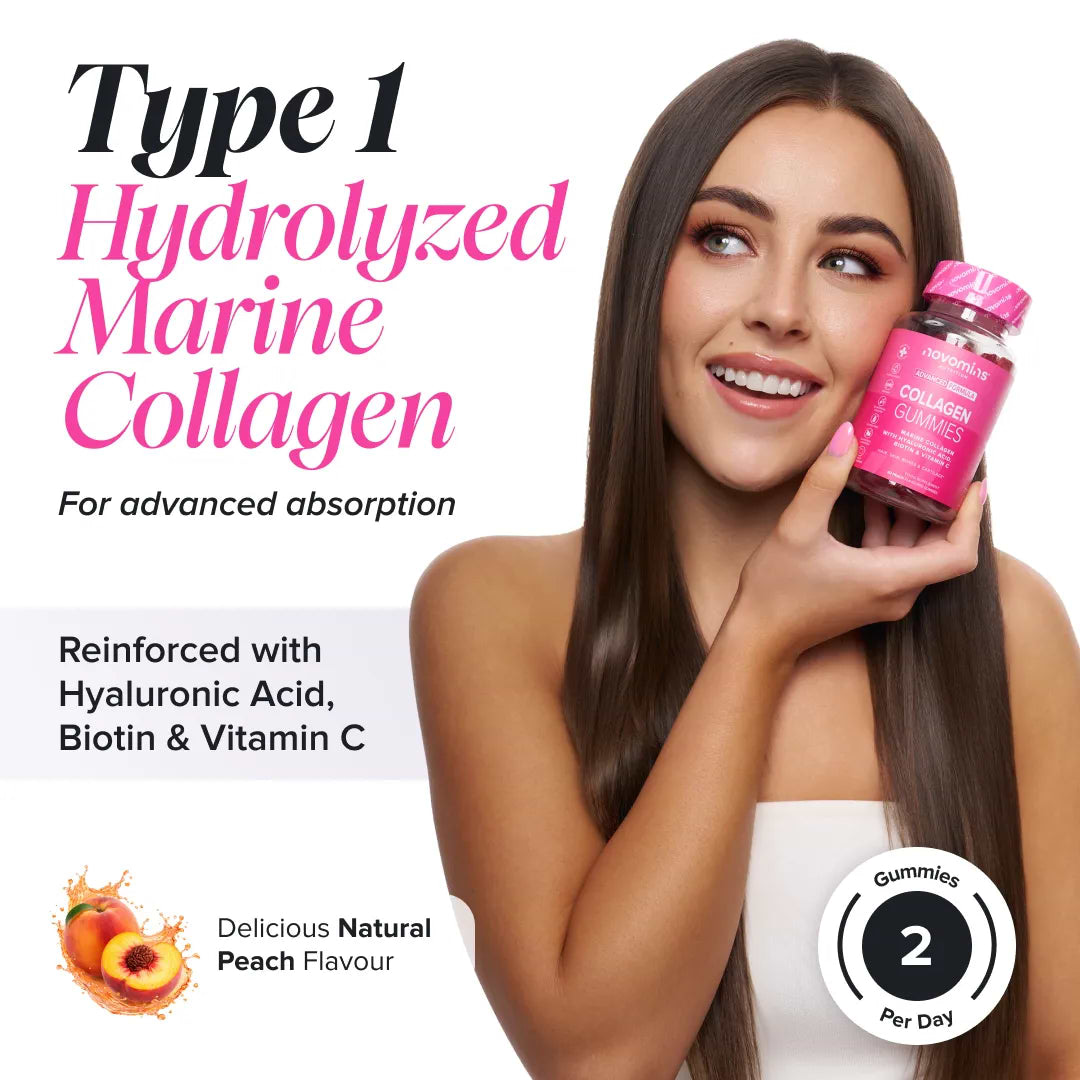
Collagen is the main structural protein found in skin, providing strength and support. Vitamin C contributes to normal collagen formation for the normal function of skin.
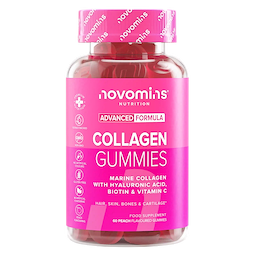
Novomins Collagen Gummies combine hydrolysed marine collagen with vitamin C, hyaluronic acid and biotin, making them an easy addition to your daily wellness routine.
GLP-1 Is A Tool. Nutrition Is The Foundation.
GLP-1 can help change your appetite, but it doesn’t change what your body needs to thrive.
The latest nutrition guidance recommends looking beyond the number on the scale and focusing on preserving muscle, preventing nutrient deficiencies and building habits that support long-term health. That means prioritising protein, eating enough fibre, staying hydrated, choosing nutrient-dense foods and making time for regular movement, particularly resistance training.
It’s also important to remember that no two people are the same. Your age, activity level, medical history and personal goals all influence your nutritional needs, which is why ongoing support from your healthcare team or a registered dietitian can be invaluable.
Weight management is about more than eating less. It’s about giving your body the nutrients it needs to feel strong, energised and supported every step of the way.
The Bottom Line
View as text
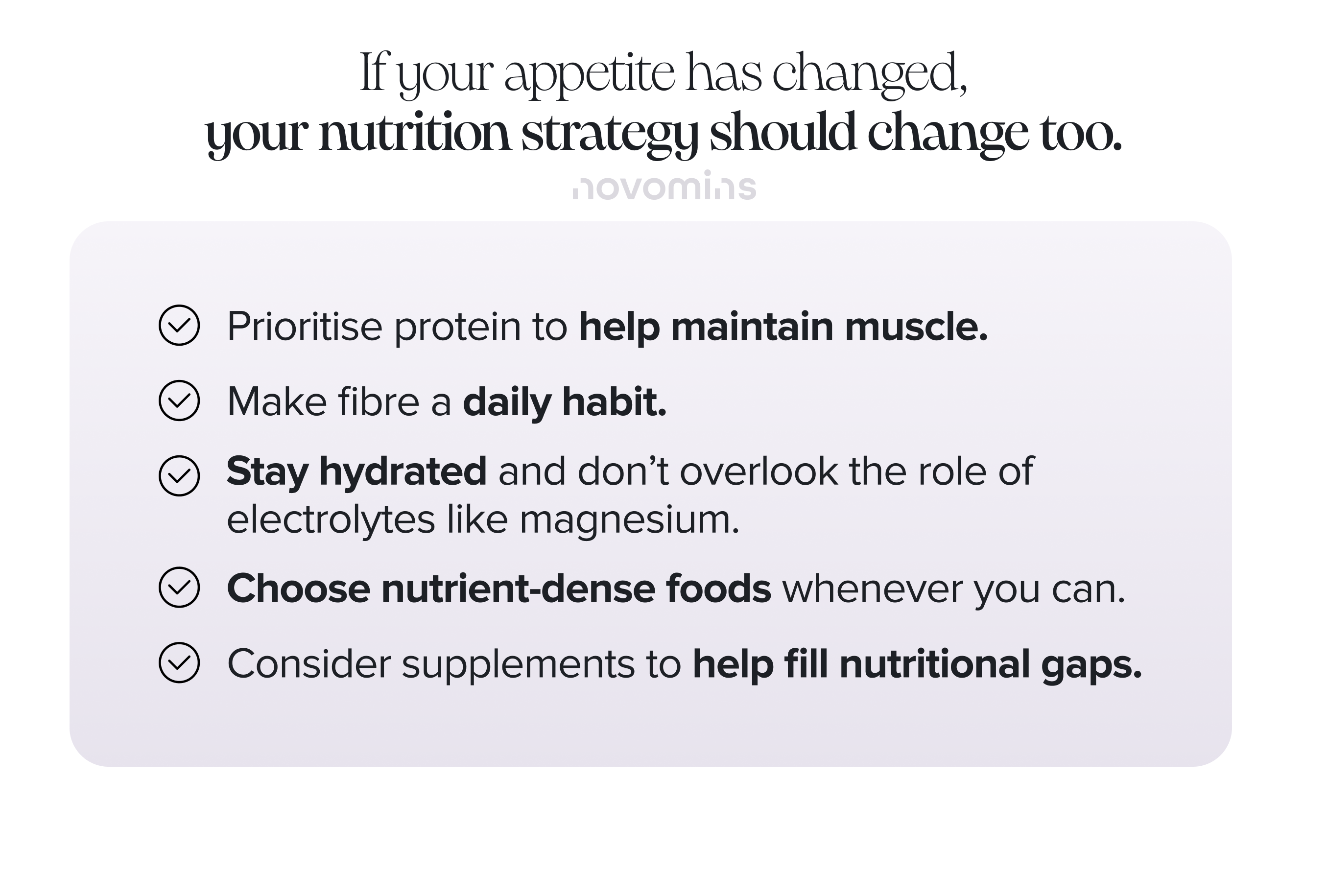
- Prioritise protein to help maintain muscle.
- Make fibre a daily habit.
- Stay hydrated and don't overlook the role of electrolytes like magnesium.
- Choose nutrient-dense foods whenever you can.
- Consider supplements to help fill nutritional gaps.
Because the most successful weight management journey isn’t simply measured by the kilos you lose. It’s measured by how well you nourish the body that’s carrying you there.