




You were fun in summer. Now you're tired by 3pm, permanently irritated, and considering cancelling plans you made yesterday.
Is it your personality, or is winter messing with your biology?
Turns out, shorter days can affect your sleep, energy, and mood. And a few nutritional gaps might be making things worse.
From your body clock running on winter time to the surprising role of vitamin D, magnesium, iron, and B12, there's more to your seasonal slump than just missing the sunshine.
So, what's really draining your energy, and how can you get it back?
Why Are You More Tired in Winter?
Sleeping more, feeling worse, and suddenly irritated by everyone? Winter might be messing with your brain chemistry.
Your body runs on a roughly 24-hour internal clock called the circadian rhythm, which helps regulate your sleep, energy, and mood.
And two important brain chemicals are closely connected to this process:
|
😃 SEROTONIN |
😴 MELATONIN |
Here's the interesting part: your pineal gland actually produces melatonin from serotonin.
View as text
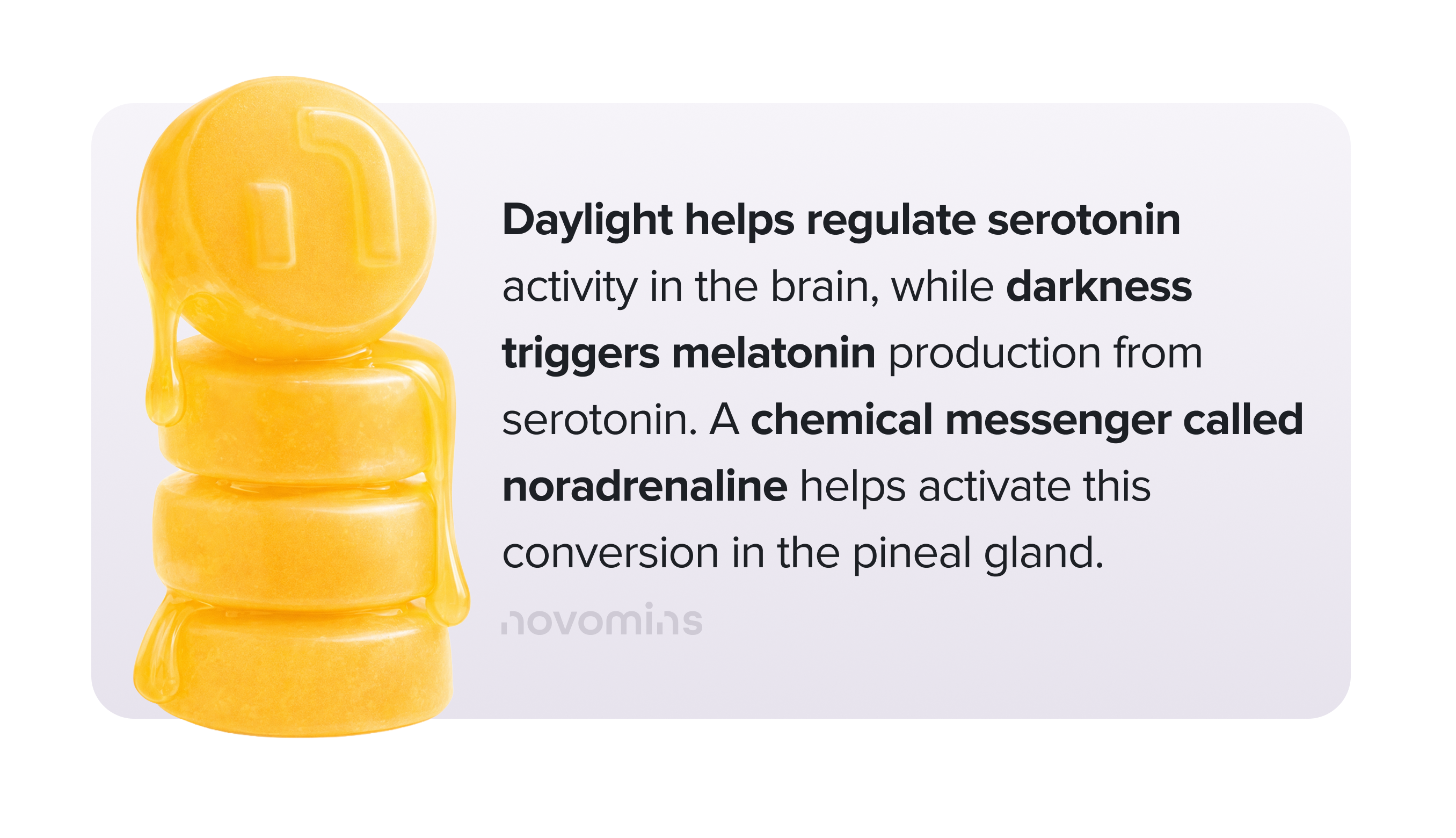
Daylight helps regulate serotonin activity in the brain, while darkness triggers melatonin production from serotonin. A chemical messenger called noradrenaline helps activate this conversion in the pineal gland.
But when winter arrives, this delicate system can get thrown off balance.

View as text
Hitting snooze repeatedly, even after a full night's sleep.
Reaching for another coffee just to finish the working day.
Struggling to concentrate, remember things, or stay productive.
Sleeping longer but still waking up tired.
Feeling irritable, unmotivated, or emotionally flat.
How Does Less Daylight Affect Your Mood?
Less sunshine can mean changes in serotonin activity.
Shorter, greyer days reduce the natural light signals your brain relies on to regulate serotonin.
These seasonal changes may contribute to low mood, reduced motivation, low energy, and carbohydrate cravings. Carbohydrate-rich meals can temporarily influence serotonin-related pathways, which may help explain why comfort food suddenly becomes so appealing.
Why Do Longer Nights Make You Feel Sleepier?
Earlier sunsets and later sunrises can disrupt your melatonin rhythm.
As darkness stretches across more of the day, your body receives longer periods of the environmental signal that promotes melatonin production.
For some people, this can shift the timing of their internal clock, making mornings harder and contributing to daytime grogginess.
And because melatonin is made from serotonin, the two systems are biologically connected. Seasonal changes in light exposure can affect serotonin regulation and the timing of melatonin release, potentially leaving your sleep-wake cycle out of sync.
The result? You might sleep longer, struggle to wake up, experience poorer-quality sleep, and still feel exhausted after a full night in bed.
So if your mood, motivation, and energy seem to disappear alongside the sunshine, there's real biology behind your winter slump.
Why Is Vitamin D Deficiency More Common in Winter?
Around 1 in 6 UK adults have low vitamin D levels, and the darker months make maintaining adequate intake even more challenging.
Vitamin D is often called the sunshine vitamin because your body produces it when exposed to UVB sunlight.
But here's the problem.
Modern life has moved indoors. Between office jobs, indoor entertainment, and long commutes, many of us spend much of our day away from direct sunlight.
And when winter arrives, the problem gets worse.
Between October and early March, UK sunlight is generally too weak for your skin to produce sufficient vitamin D.
View as text
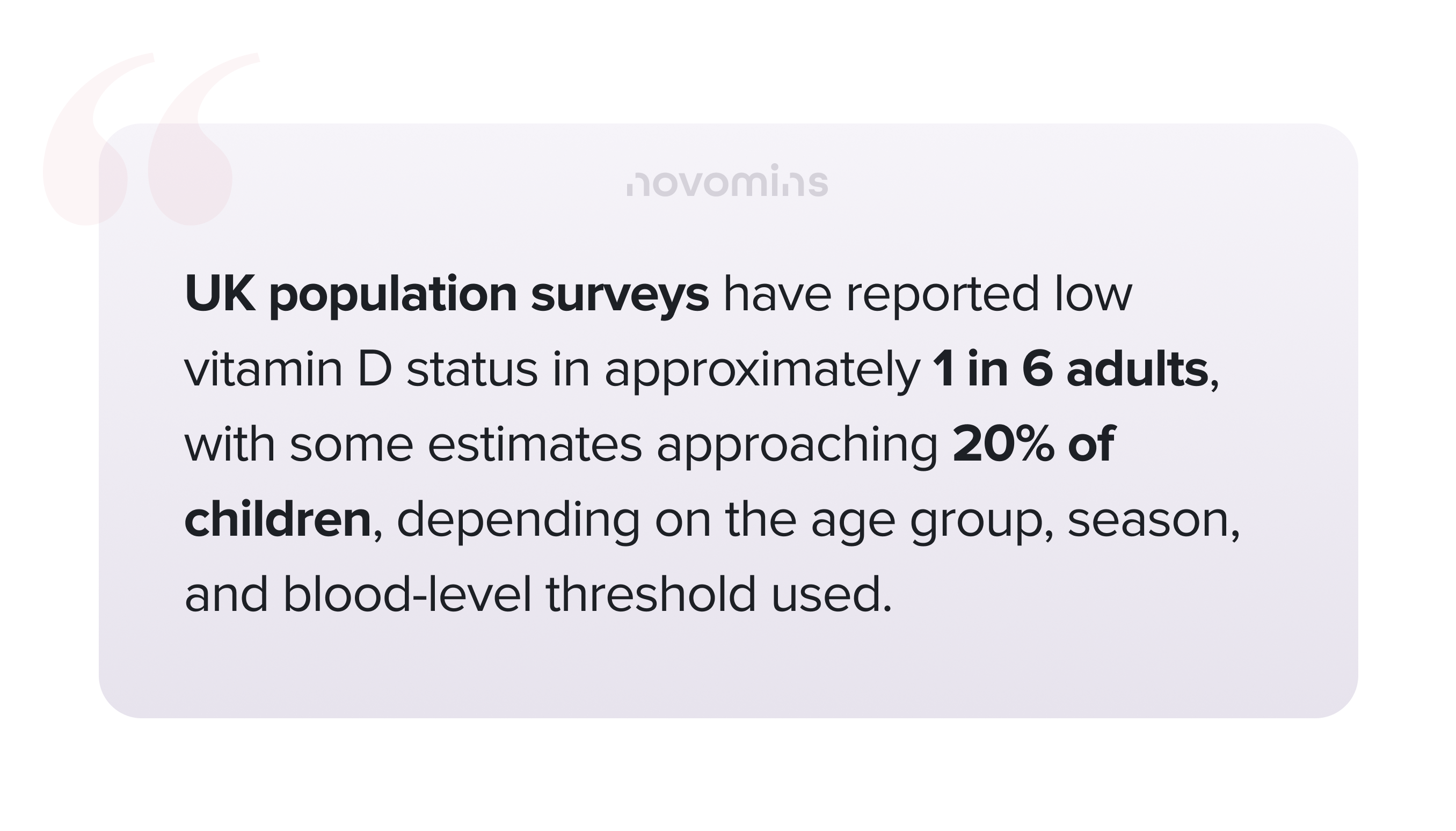
UK population surveys have reported low vitamin D status in approximately 1 in 6 adults, with some estimates approaching 20% of children, depending on the age group, season, and blood-level threshold used.
How Does Vitamin D Affect Your Mood?
Most people think of vitamin D as the vitamin for strong bones. But its role goes far beyond your skeleton.
Vitamin D helps the brain make serotonin by switching on the gene for tryptophan hydroxylase 2, the enzyme responsible for producing serotonin in the brain. And since the pineal gland needs serotonin to produce melatonin, Vitamin D supports the raw material for the whole system.
Low vitamin D levels have also been associated with depressive symptoms, prompting researchers to investigate its potential relationship with seasonal affective disorder (SAD).
View as text
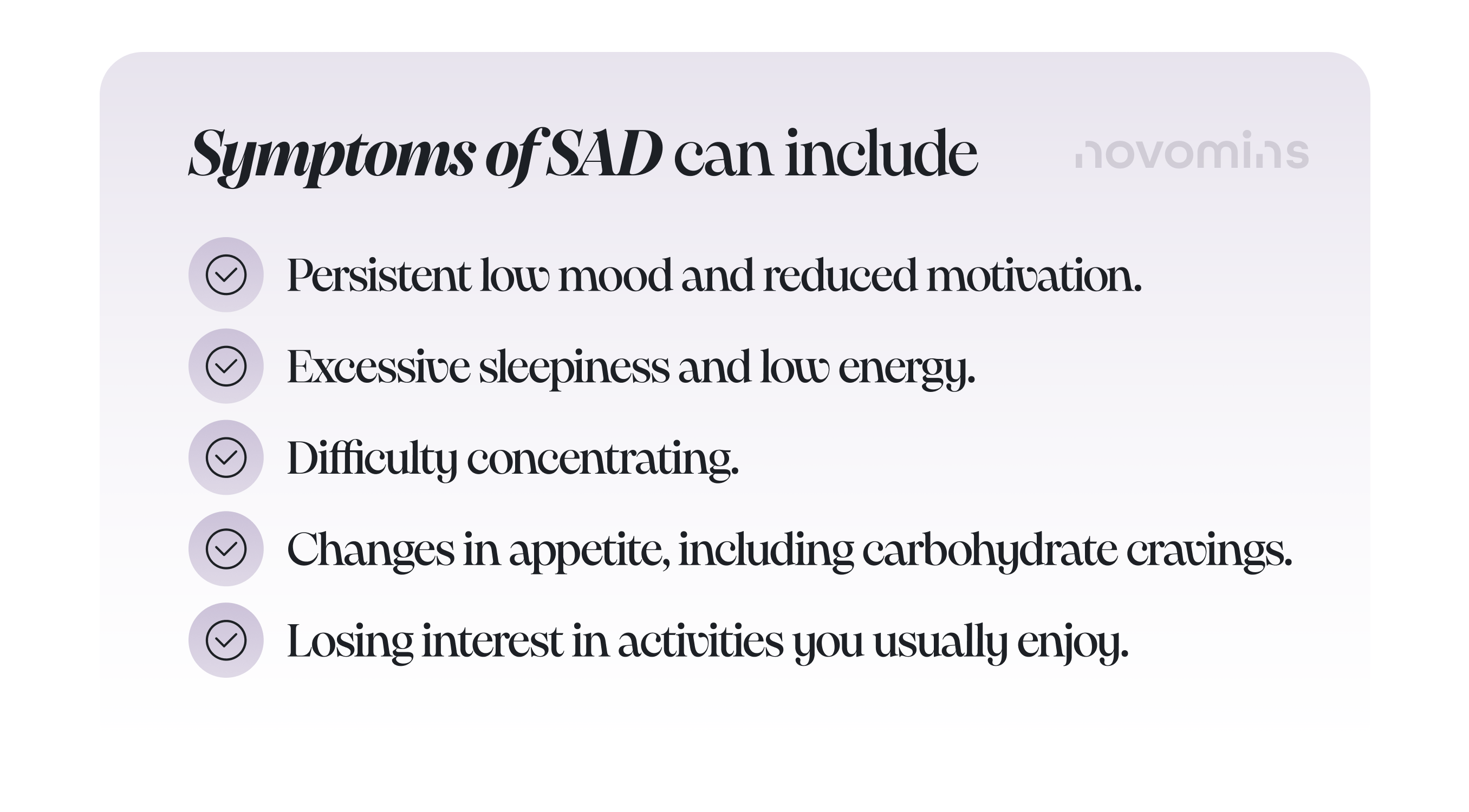
Symptoms of SAD can include
- Persistent low mood and reduced motivation.
- Excessive sleepiness and low energy.
- Difficulty concentrating.
- Changes in appetite, including carbohydrate cravings.
- Losing interest in activities you usually enjoy.
SAD is a form of depression that follows a seasonal pattern, often appearing during autumn and winter.
View as text
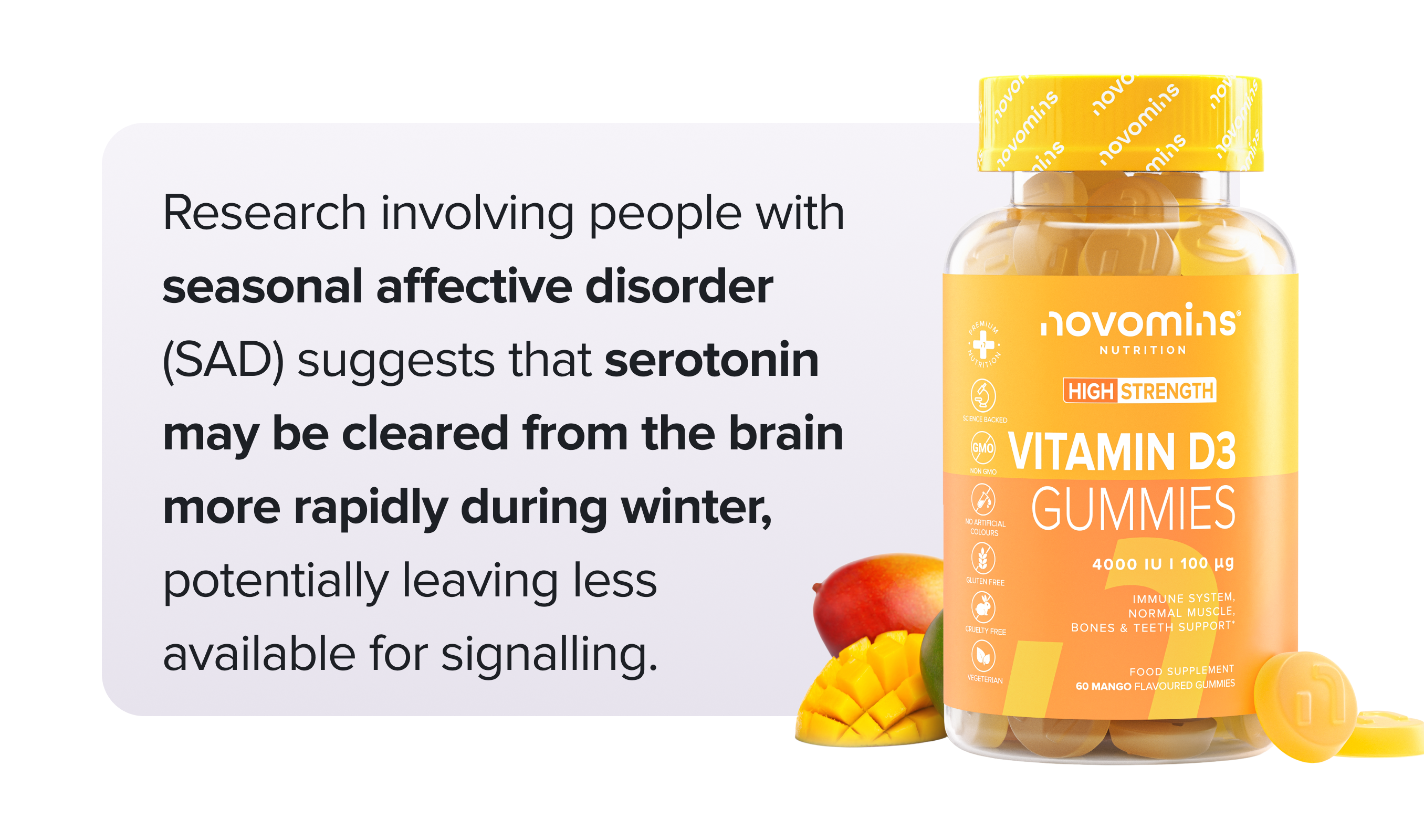
Research involving people with seasonal affective disorder (SAD) suggests that serotonin may be cleared from the brain more rapidly during winter, potentially leaving less available for signalling.
Why Does Your Immune System Need Vitamin D?
Your immune system needs vitamin D, too. And the science is fascinating.
Immune cells, including T-cells and macrophages, have vitamin D receptors.
Vitamin D helps regulate immune responses and supports the production of antimicrobial proteins involved in the body's natural defences.
View as text
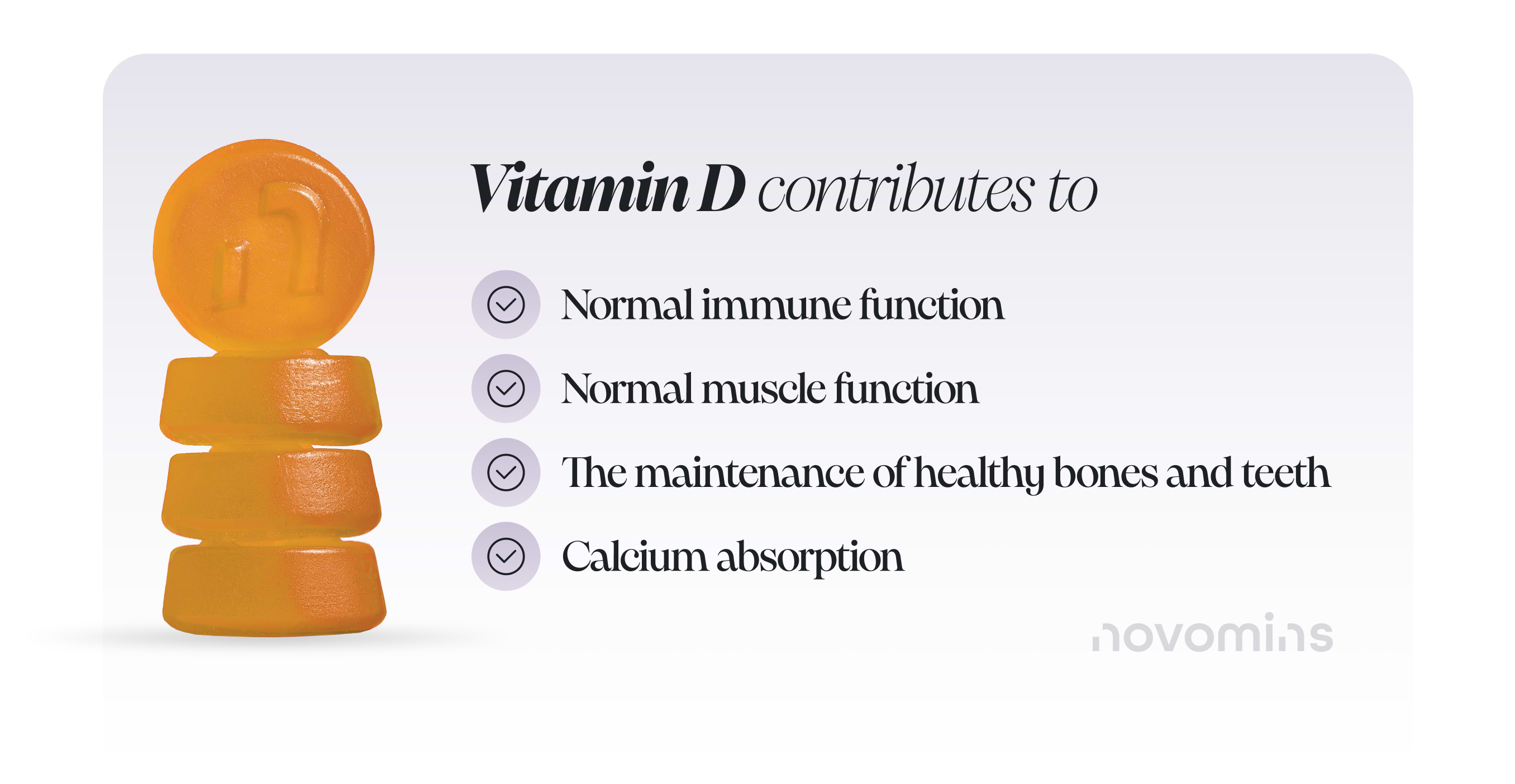
Vitamin D contributes to
- Normal immune function
- Normal muscle function
- The maintenance of healthy bones and teeth
- Calcium absorption
Think of vitamin D as one of the nutrients helping your immune system stay ready for action.
And research highlights why adequate intake matters.

View as text
A large meta-analysis published in the British Medical Journal found that daily or weekly vitamin D supplementation reduced the risk of acute respiratory infections.
The findings reinforce Vitamin D's importance in normal immune function.
Your Winter Essential: Novomins Vitamin D Gummies
When natural vitamin D production drops, Novomins Vitamin D Gummies offer a convenient way to maintain your daily intake.
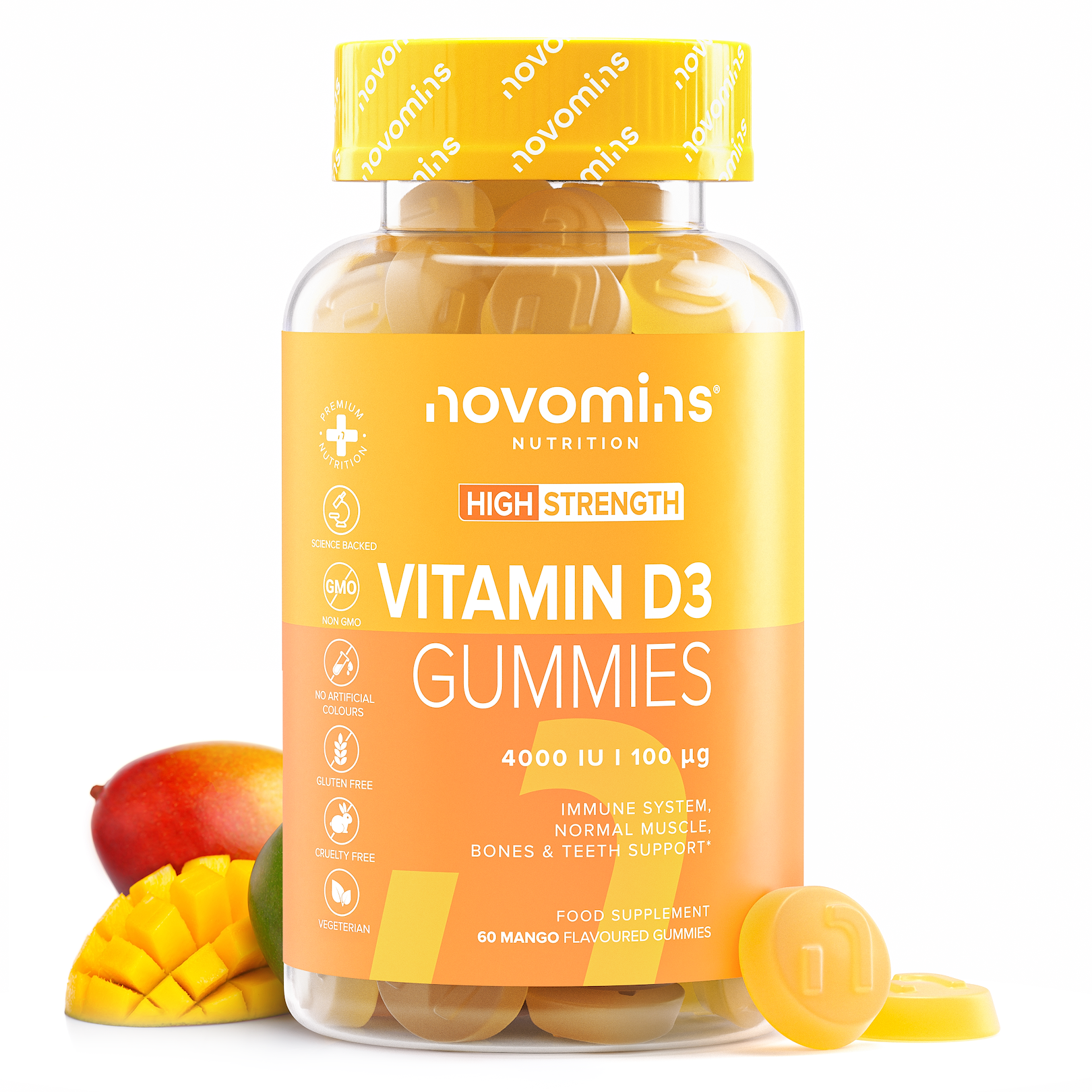
And because UK adults are advised to consider 10µg (400 IU) of vitamin D daily during autumn and winter, supplementation is one of the simplest nutritional habits to add to your routine.
Less sunshine? We have a gummy for it.
5 Practical Ways to Beat the Winter Slump
You can't control how early the sun sets, but you can give your body a few better signals.
View as text
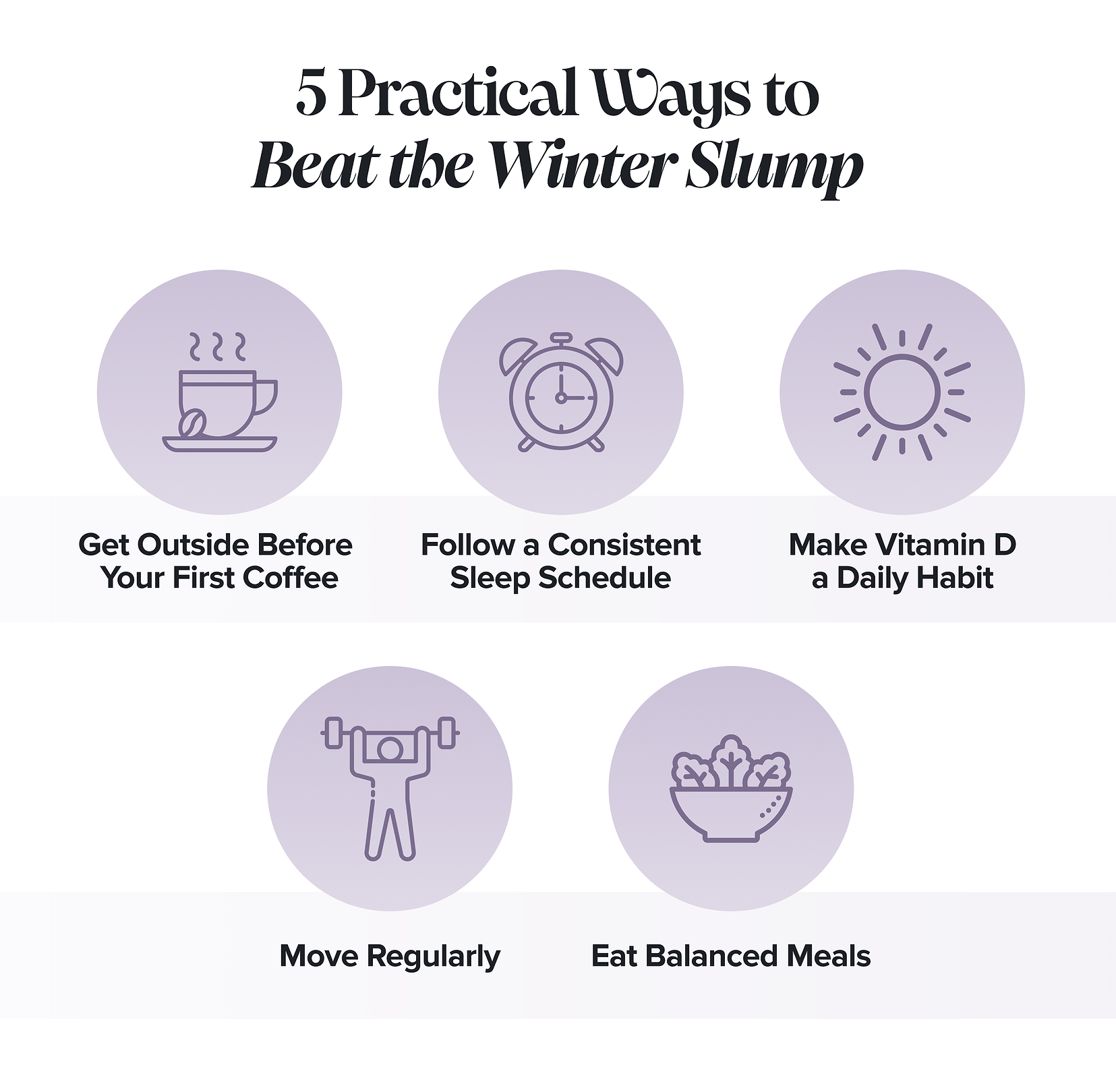
5 Practical Ways to Beat the Winter Slump
- Get Outside Before Your First Coffee
- Follow a Consistent Sleep Schedule
- Make Vitamin D a Daily Habit
- Move Regularly
- Eat Balanced Meals
1. Get Outside Before Your First Coffee
Morning daylight helps synchronise your circadian rhythm and reinforces your body's natural wake-up signals.
➡️ Try this: Spend 20–30 minutes outdoors in the morning, even when it's cloudy.
2. Follow A Consistent Sleep Schedule
Sleeping in might feel tempting, but inconsistent wake-up times can make it harder for your body clock to maintain a regular rhythm.
➡️ Try this: Wake up at roughly the same time each day, including weekends.
3. Make Vitamin D a Daily Habit
With UK winter sunlight generally insufficient for natural vitamin D production, supplementation can help you maintain an adequate intake.
➡️ Try this: Add Novomins Vitamin D Gummies to your morning routine.
4. Move Regularly
Regular physical activity supports sleep quality, physical health, and psychological wellbeing.
➡️ Try this: Start with a brisk 15-minute walk, gentle yoga, or a short home workout.
5. Give Your Winter Diet an Upgrade
Comfort food season is officially here. But your body still needs essential nutrients to maintain normal energy metabolism.
➡️ Try this: Build meals around protein, vegetables, wholegrains, and healthy fats, with plenty of nutrient-rich variety.
And while these habits are a great starting point, there's another piece of the winter wellness puzzle.
Because sometimes your energy slump has a nutritional plot twist.
What Other Supplements Could Support Your Winter Routine?
Vitamin D might be winter's most obvious nutritional concern, but it's certainly not the only one.
Magnesium, iron and vitamin B12 all contribute to normal energy metabolism and the reduction of tiredness and fatigue.
Yet modern diets and busy schedules mean not everyone gets enough.
Here's what the research reveals.
1. Exhausted All Day, Restless at Night? Think Magnesium.
Research estimates suggest that around 60% of people in some populations fail to meet recommended magnesium intakes, with some estimates indicating that 19% consume less than half their requirement.
Why does your body need magnesium?
Magnesium is involved in more than 300 enzyme reactions, including those related to energy production, muscle function, and nervous system activity.
View as text
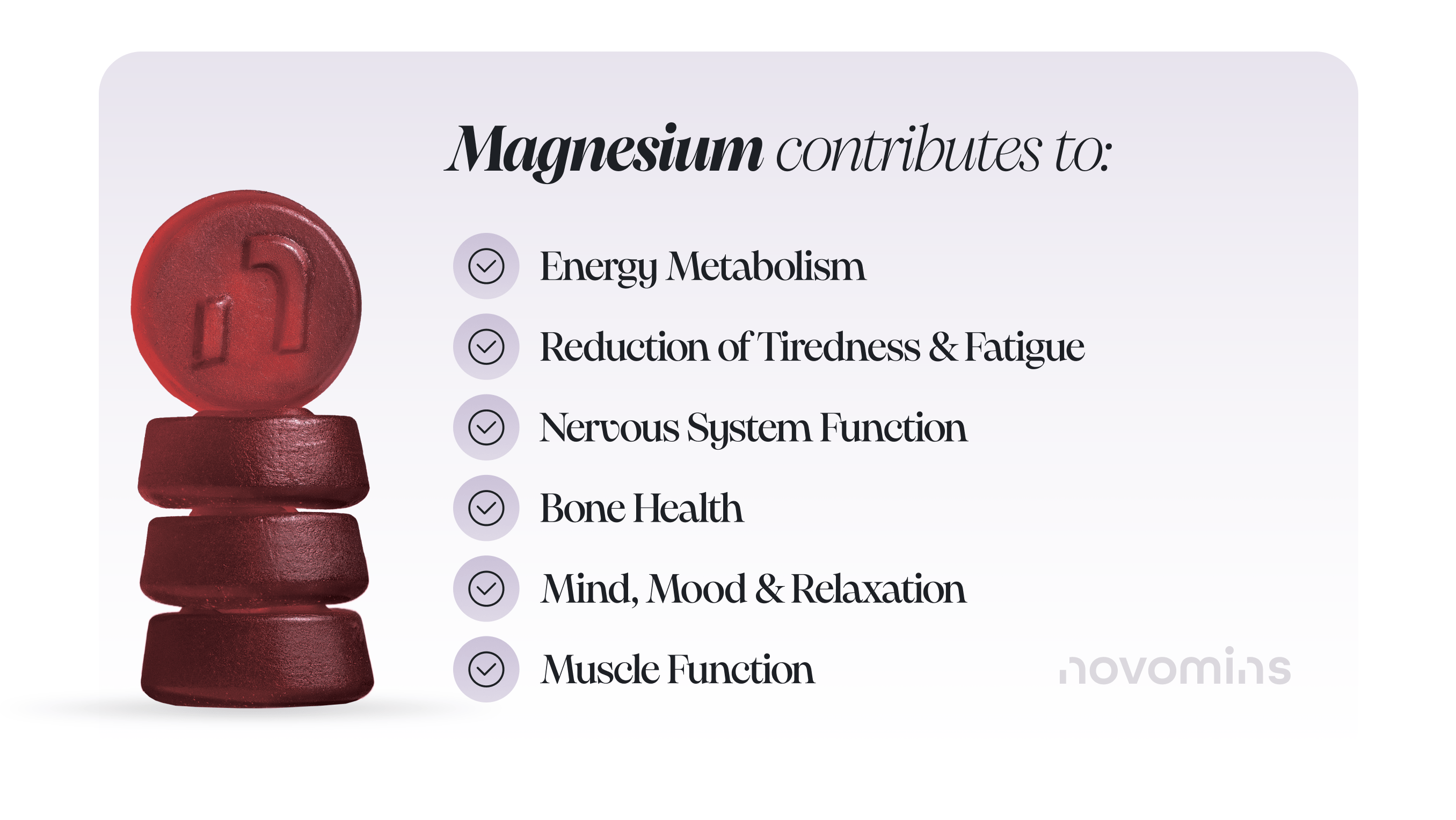
Magnesium contributes to:
- Energy Metabolism
- Reduction of Tiredness & Fatigue
- Nervous System Function
- Bone Health
- Mind, Mood & Relaxation
- Muscle Function
And its potential relationship with sleep is attracting scientific attention.
A 2025 randomised controlled trial involving 155 adults found that magnesium supplementation produced an improvement in insomnia symptoms.
Why You Might Not Be Getting Enough Magnesium
Magnesium-rich foods include leafy greens, nuts, seeds, legumes, and wholegrains.
But diets dominated by refined grains and heavily processed foods may provide less magnesium than diets rich in whole foods.
Your Supplement Match: Novomins Magnesium Glycinate Gummies
Your body needs magnesium for energy. Your routine needs consistency.
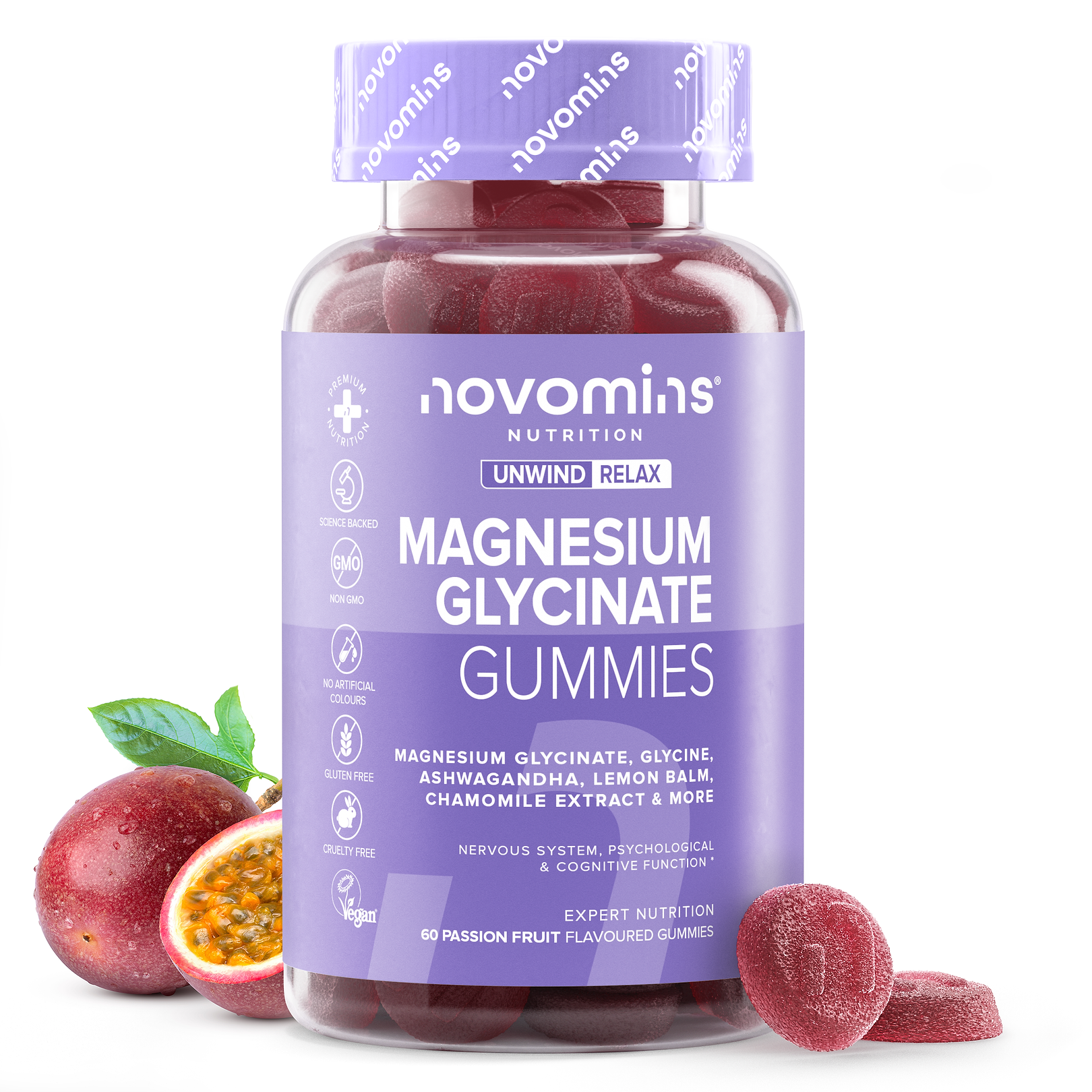
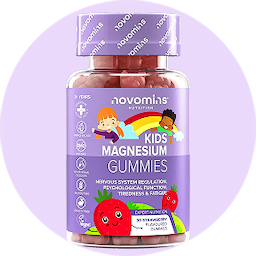
Novomins Magnesium Glycinate Gummies offer a convenient way to supplement your intake in delicious passion fruit flavour.
View as text
-
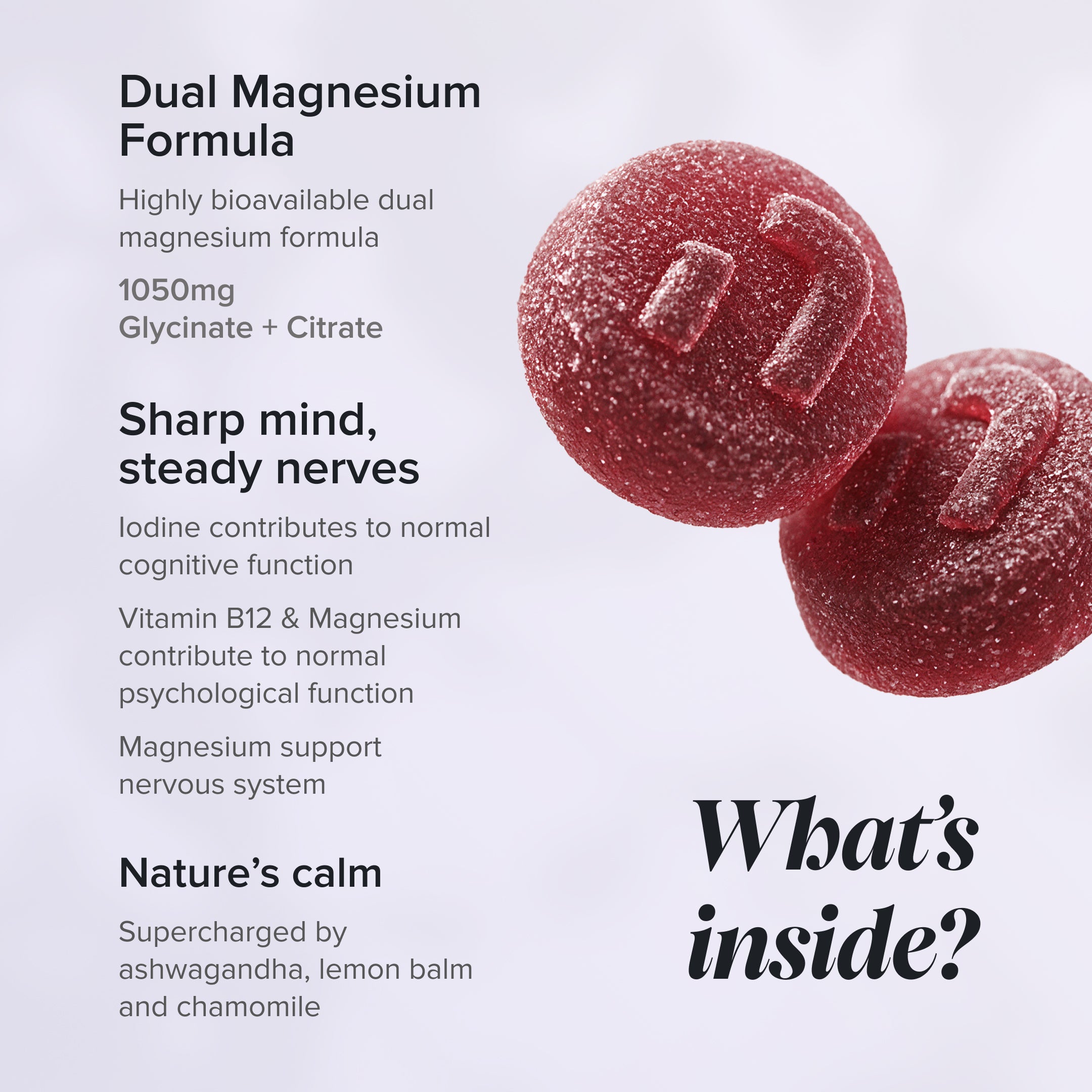
Dual Magnesium Formula
Highly bioavailable dual magnesium formula
1050mg
Glycinate + Citrate -
Sharp mind, steady nerves
Iodine contributes to normal cognitive function
Vitamin B12 & Magnesium contribute to normal psychological function
Magnesium support nervous system -
Nature’s calm
Supercharged by ashwagandha, lemon balm and chamomile
Steady your nerves, calm your mind with 2 daily gummies taken any time of day.
🌟 SHOP MAGNESIUM GLYCINATE GUMMIES →
2. Running on Empty? Your Iron Levels Could Be Involved.
Anaemia affects an estimated 40% of children aged 6–59 months and 30% of women aged 15–49 worldwide.
This makes iron deficiency one of the most common nutrient deficiencies in the world and in women it can show up as constant tiredness, brain fog, breathlessness, and always feeling cold.
Why does your body need iron?
Iron is essential for producing haemoglobin, the protein in red blood cells responsible for transporting oxygen around your body.
It also contributes to normal energy metabolism, cognitive function, and the reduction of tiredness and fatigue.
When iron stores become depleted, symptoms can include exhaustion, difficulty concentrating, and physical weakness.
And here's something interesting.
View as text
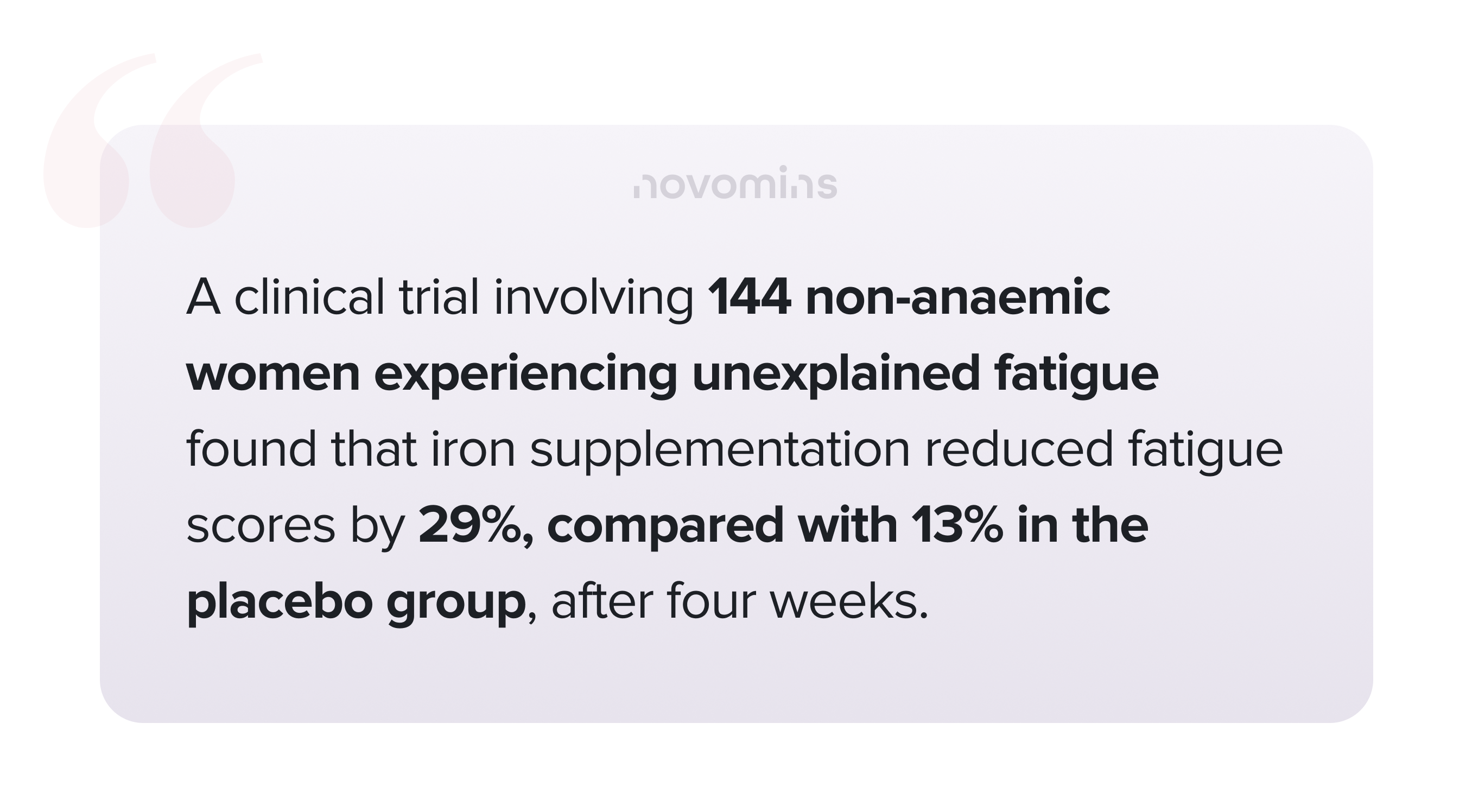
A clinical trial involving 144 non-anaemic women experiencing unexplained fatigue found that iron supplementation reduced fatigue scores by 29%, compared with 13% in the placebo group, after four weeks.
That means low iron stores may contribute to fatigue even before anaemia develops.
And here's something worth knowing: while daily nutritional recommendations are much lower, clinical research has investigated 40–80mg of elemental iron per dose to optimise absorption in iron-depleted women.
Why You Might Not Be Getting Enough Iron
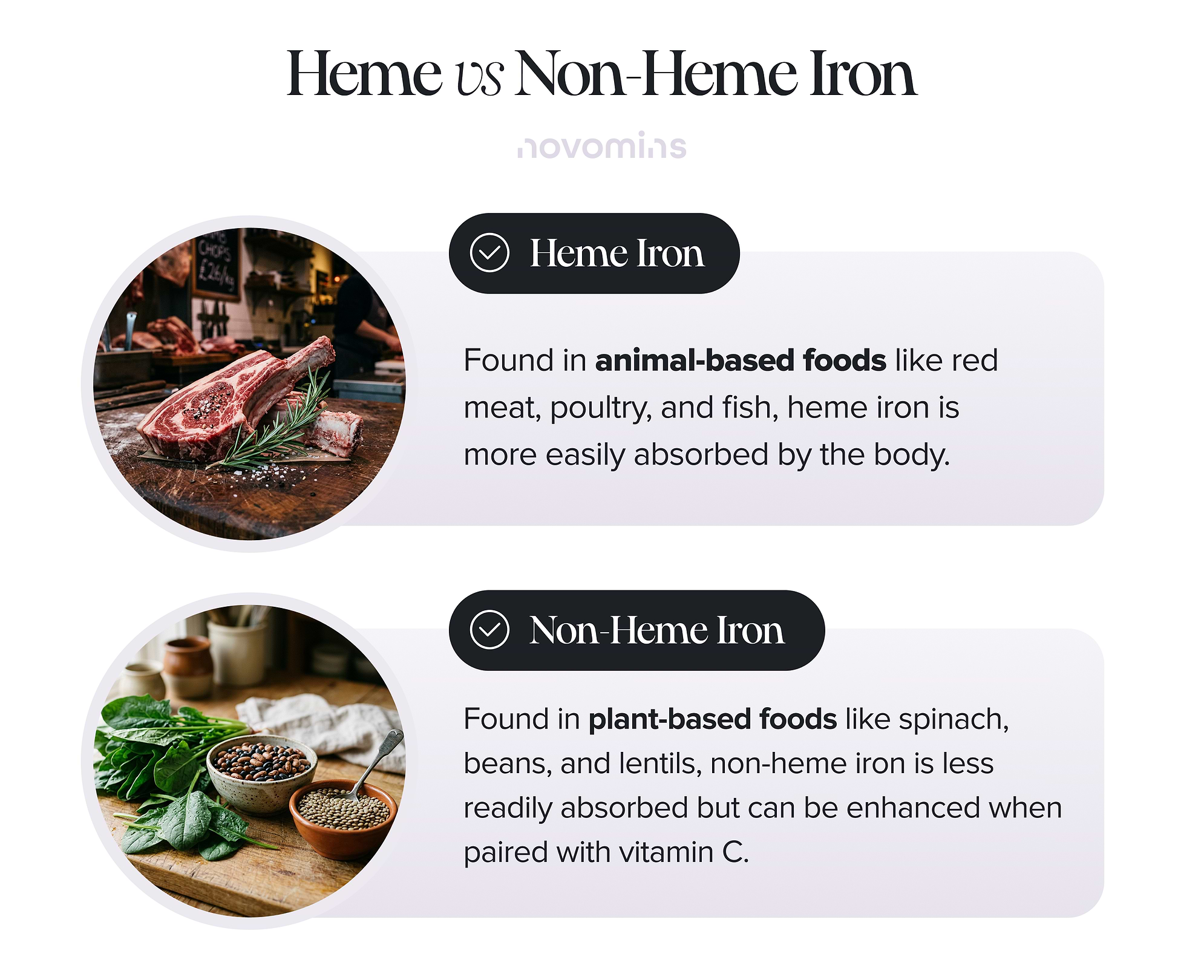
Iron comes in two forms:
View as text
Heme vs Non-Heme Iron
Heme Iron
Found in animal-based foods like red meat, poultry, and fish, heme iron is more easily absorbed by the body.
Non-Heme Iron
Found in plant-based foods like spinach, beans, and lentils, non-heme iron is less readily absorbed but can be enhanced when paired with vitamin C.
Diets containing fewer iron-rich foods may increase the risk of inadequate intake.
And while soil conditions can influence the mineral composition of crops, dietary patterns, blood loss, and individual iron requirements are the main contributors.
View as text
One simple trick?
Pair plant-based iron sources with vitamin C-rich foods to help improve absorption.
Your Supplement Match: Novomins Iron Gummies
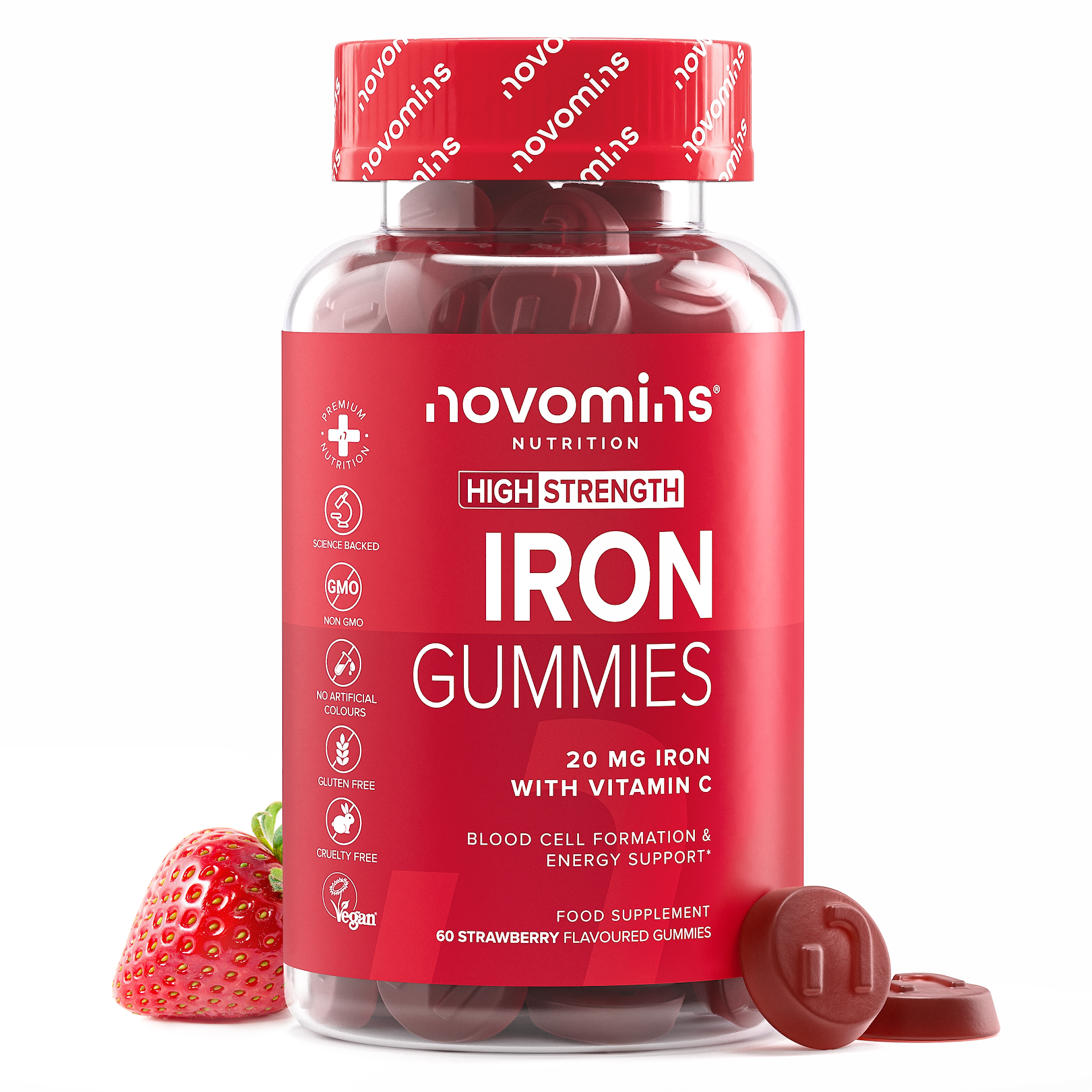
Feeling drained? Don't overlook the nutrient responsible for oxygen transport.
Novomins Iron Gummies provide a convenient way to increase iron intake in 2 daily strawberry-flavoured gummies.
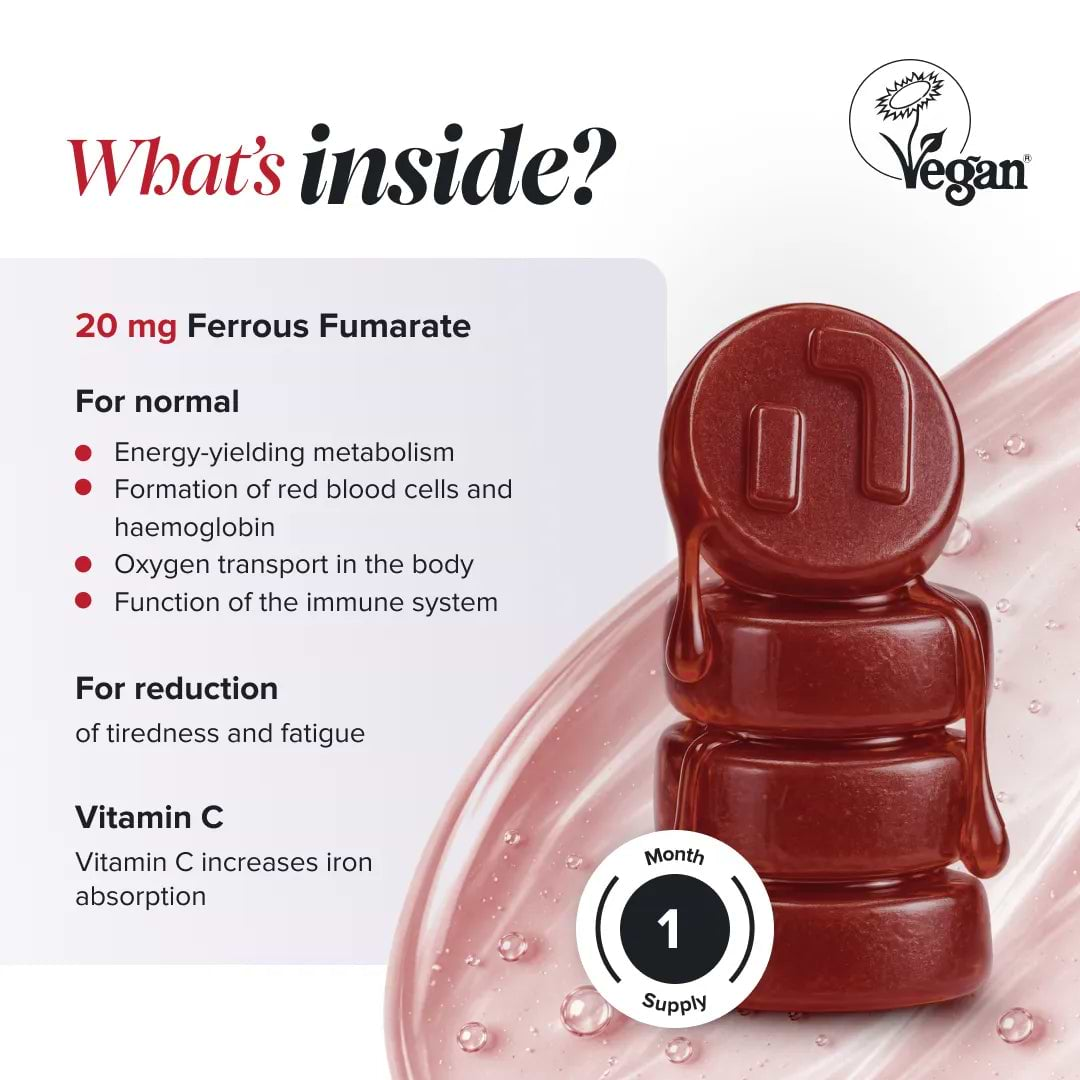
A stomach-friendly formulation with vitamin c for optimal absorption that can be taken with or without food.
3. Brain Fog and Low Energy? Don't Overlook Vitamin B12.
Vitamin B12 deficiency can affect up to 40% of people in some low-income or predominantly vegetarian populations, although prevalence varies considerably between groups.
And the dietary connection is particularly interesting.
View as text
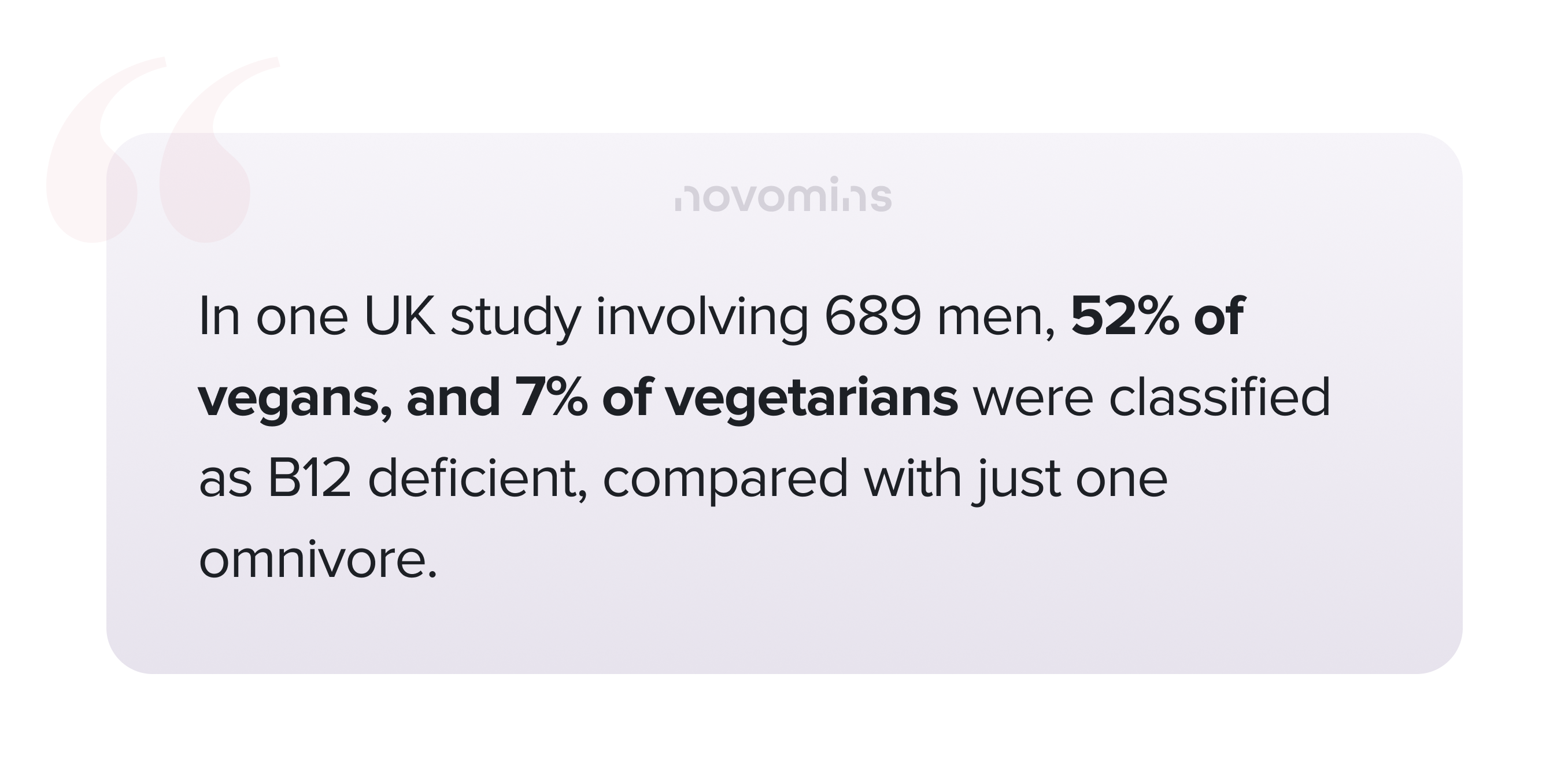
In one UK study involving 689 men, 52% of vegans, and 7% of vegetarians were classified as B12 deficient, compared with just one omnivore.
Why does your body need Vitamin B12?
View as text
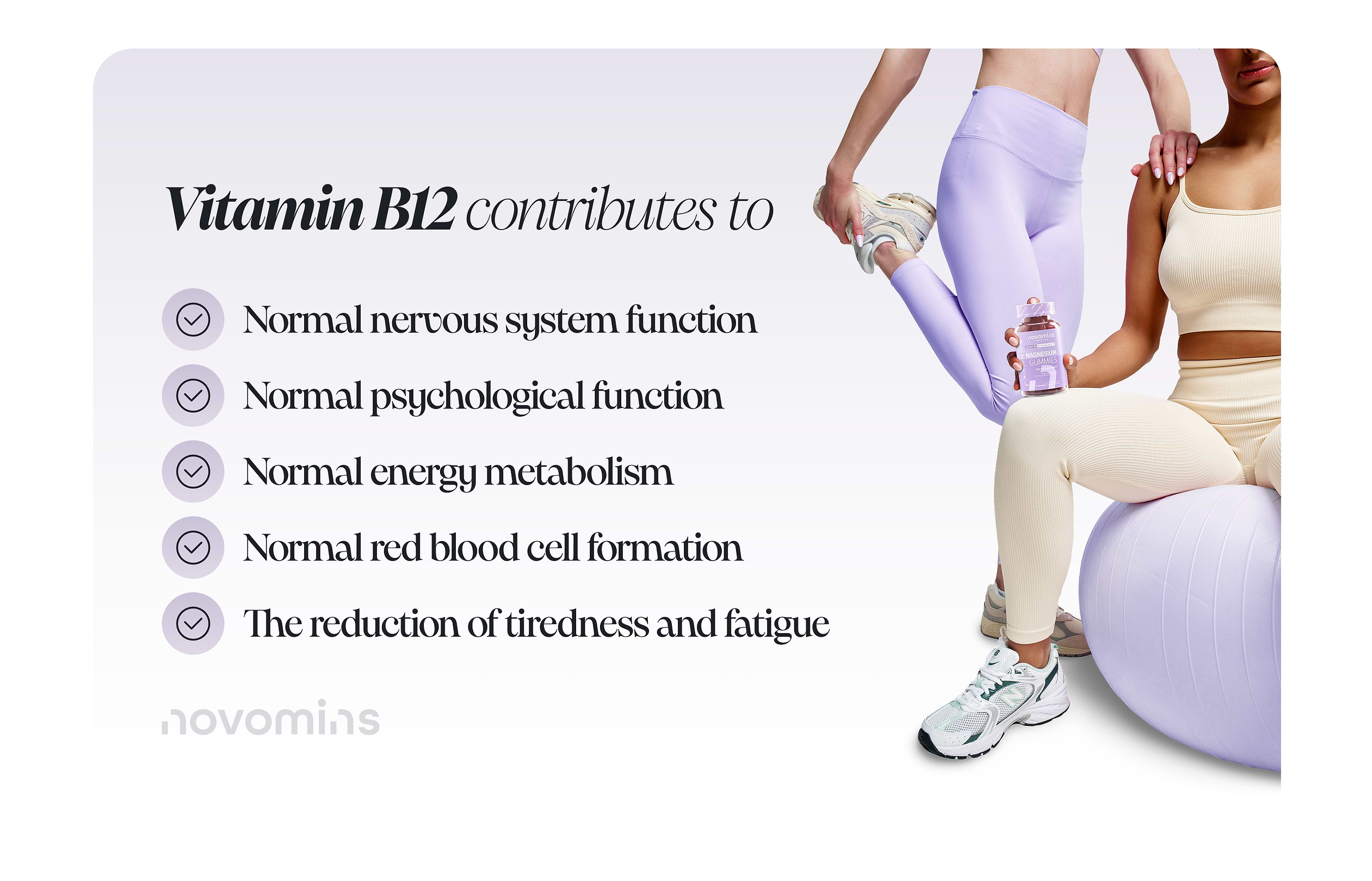
Vitamin B12 contributes to
- Normal nervous system function
- Normal psychological function
- Normal energy metabolism
- Normal red blood cell formation
- The reduction of tiredness and fatigue
When levels become deficient, symptoms can include persistent tiredness, difficulty concentrating, and neurological changes.
And here's the surprising part.
A study involving 141 patients with neurological or psychiatric symptoms caused by B12 deficiency found that 28% had neither anaemia nor enlarged red blood cells.
In other words, B12 deficiency can affect your nervous system before the typical blood-count warning signs appear.
Why You Might Not Be Getting Enough Vitamin B12
Vitamin B12 is naturally found in fish, meat, poultry, eggs, and dairy products, but isn't naturally present in unfortified plant foods.
As more people adopt plant-based or predominantly vegetarian diets, ensuring adequate B12 intake becomes particularly important.
Older adults and people with certain digestive conditions may also struggle to absorb sufficient B12.
Your Supplement Match: Novomins Vitamin B12 Gummies
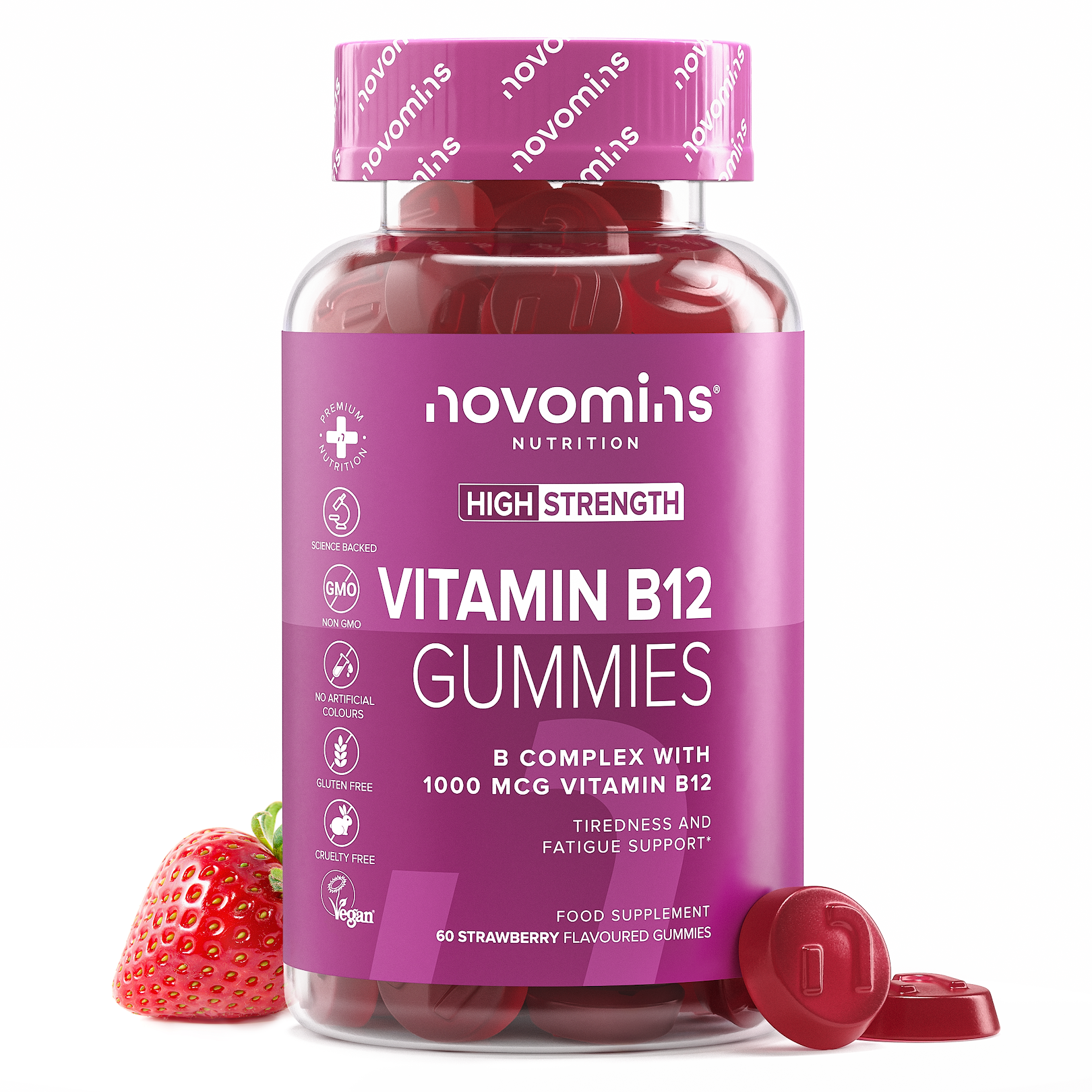
Because your brain and nervous system have nutritional requirements too.
Novomins Vitamin B12 Gummies offer a convenient way to maintain adequate B12 intake, particularly for people consuming fewer animal-derived foods.
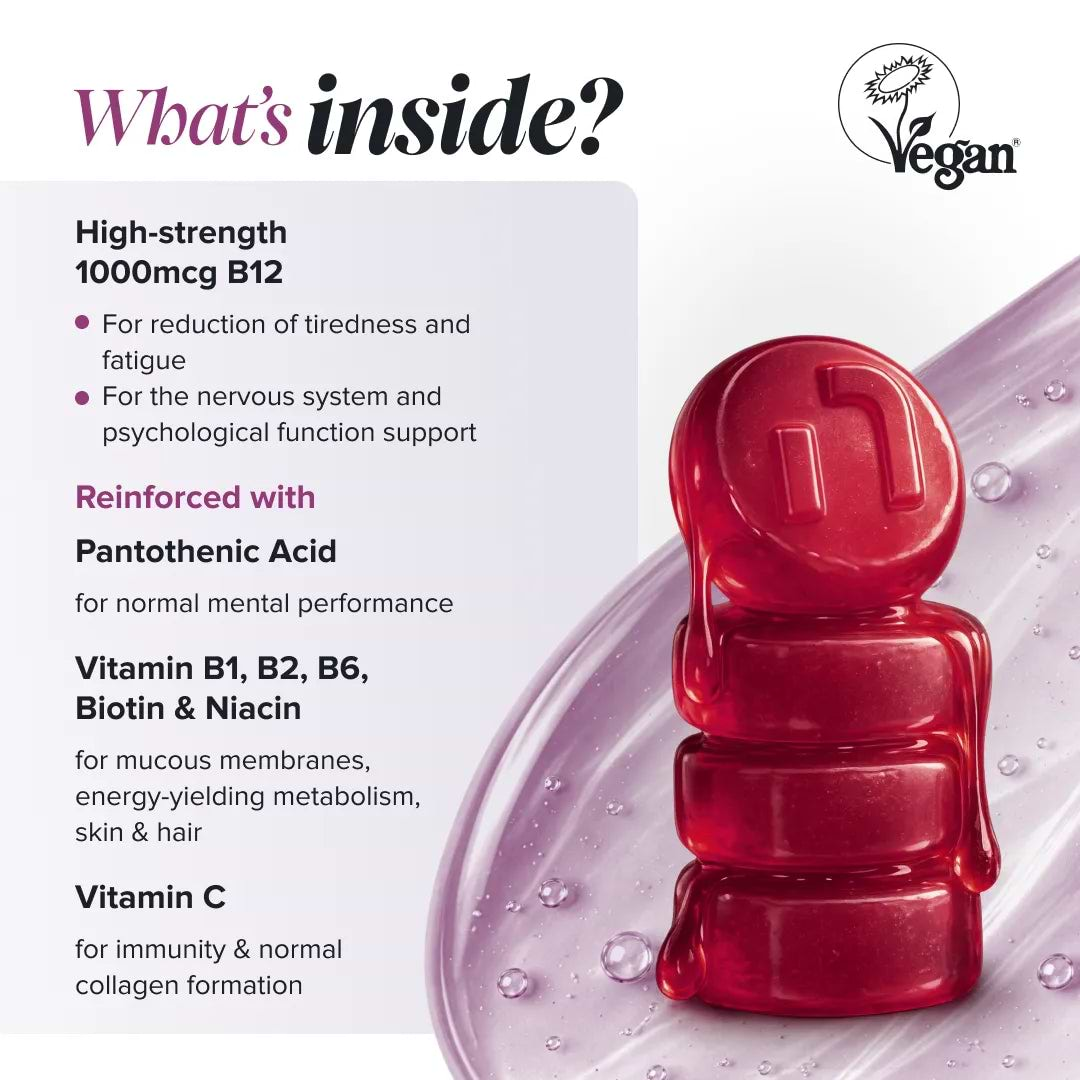
Support mind and body with 2 strawberry-flavoured gummies taken daily, with or without food.
Your Winter Energy Doesn't Have to Be a Lost Cause
Here's the thing about winter fatigue: it's easy to blame the weather when your body might be asking for something more specific.
Less daylight can throw your body clock off schedule. Limited sunshine can make maintaining vitamin D levels harder. And nutritional gaps may leave you feeling more depleted than usual.
But none of that means you have to spend the next few months surviving on caffeine and counting down to spring.
Start with daylight. Protect your sleep. Move your body. And give your nutrition the attention it deserves.
Because your body doesn't stop needing essential nutrients just because the sun clocks off early.
And whether it's vitamin D for normal immune function, magnesium for energy metabolism, iron for oxygen transport, or B12 for nervous system function, supporting your nutritional needs can be a valuable part of your winter routine.
Winter might be out of your control. Your daily wellness routine isn't.
We have a gummy for it.
TL;DR: Your Winter Slump Survival Guide
Sleeping more but still feeling exhausted? Your winter slump could involve more than a lack of motivation.
- Shorter days affect your body clock, influencing sleep, alertness, and mood.
- Vitamin D production drops during UK winters, making supplementation particularly important.
- Vitamin D supports normal immune function, and researchers are exploring its relationship with mood and respiratory infections.
- Magnesium supports energy metabolism and psychological function, with emerging research exploring its relationship with sleep.
- Iron deficiency can contribute to fatigue, even before anaemia develops.
- Vitamin B12 supports energy metabolism and nervous system function, making adequate intake essential.
- Morning daylight, consistent sleep, movement, and balanced nutrition can all help support your winter wellbeing.
The bottom line? You can't bring back the summer sunshine, but you can give your body the nutritional support it needs to make the most of winter.
We have a gummy for it.