





Kids tend to be full of energy and highly active, especially in their younger years. This is completely normal and, for the most part, nothing to worry about. After all, movement helps us learn, and children need energy to develop their brains.
That being said, for some children, having trouble concentrating, increased restlessness and acting on impulse could also be a sign of attention deficit hyperactivity disorder (ADHD).
The NHS says symptoms of ADHD usually start before the age of 12.
There is now much more awareness of ADHD, and more research into where diet and nutrition fit alongside the care a child gets from their GP and specialist team. This guide sets out what that research has looked at, nutrient by nutrient, and where it is still thin.
This guide covers the six nutrients that studies in children with ADHD have looked at most: omega-3, iron, zinc, magnesium, vitamin D and L-theanine. Supplements sit alongside prescribed treatment, not instead of it.
- Omega-3 fatty acids
- Iron
- Zinc
- Magnesium
- Vitamin D
- L-theanine
We also cover when to talk to your GP first, how to choose a supplement for a child, and the everyday routines that help.
Where supplements fit alongside ADHD treatment
Support for a child with ADHD can include changes at home and at school, talking therapies and medicine. The NHS says ADHD medicines must be started and monitored by an ADHD specialist.
If you have questions about side effects, raise them with your child's specialist team. A supplement is not an alternative to prescribed treatment, and a medicine should not be stopped or changed without their advice.
Some studies have found lower levels of iron, magnesium, vitamin D and omega-3 in children with ADHD than in children without it. That does not show that low levels cause ADHD, and most trials of supplements have been small and short. Where a blood test shows a child is low in a nutrient, correcting it with your GP's advice makes sense.
What the research says, nutrient by nutrient
Most studies in this area are small, short and done in children who were also taking ADHD medicine. This table sums up what they looked at and how much weight the findings can bear. No supplement is a treatment for ADHD.
| Nutrient | What studies in children have looked at | How strong the evidence is | When it makes sense to ask the GP |
| Omega-3 (EPA and DHA) | More than any other nutrient. A 2023 Cochrane review pooled 37 trials of omega-3 and omega-6 supplements in children and teenagers with ADHD. | Strong evidence of no clear benefit. The review found high certainty evidence that supplements made no difference to parent rated ADHD symptoms. NICE advises doctors not to advise or offer fatty acid supplements for treating ADHD in children and young people. | If your child eats little or no oily fish, ask about their diet as a whole. Not as a treatment for ADHD. |
| Iron | Small trials in children with ADHD who also had low iron stores, several of them alongside methylphenidate. Parents reported improvement in some; in one trial teachers saw no difference. | Limited, and only relevant when a blood test shows low iron. | Always, before giving any iron. Ask about a blood test if your child is often tired or pale, or eats a very limited range of foods. |
| Zinc | A 2022 review pooled six trials in 489 school aged children. It found a small improvement in total ADHD scores, but no clear change in attention or hyperactivity scores on their own. | Moderate to very low certainty, in the review's own rating. | Before adding zinc on top of a multivitamin, or if your child has a very restricted diet. Ask whether a blood test is needed first. |
| Magnesium | Reviews of earlier studies found lower blood magnesium in children with ADHD. One trial gave 66 children magnesium with high dose vitamin D for eight weeks and found better parent rated behaviour scores. | Limited. Small, short trials, and the authors called for larger studies. | If your child has a restricted diet, or before combining products that both contain magnesium. |
| Vitamin D | Eight studies found lower vitamin D levels in children with ADHD. A 2019 review of four small trials, where vitamin D was added to methylphenidate, found a small improvement in symptoms. | Low to very low quality evidence of a small effect, and only alongside medicine. | The NHS says children from age 1 need 10 micrograms a day. Ask your GP before giving more than that, or if you think your child is low. |
| L-theanine | One trial in 98 boys aged 8 to 12 with ADHD looked at sleep, giving 400mg a day for six weeks. A pilot study in five boys looked at attention tasks after a single dose. | Very limited. Some sleep measures improved in one trial. L-theanine has no authorised health claim. | Before starting, especially if your child takes any medicine. |
Omega-3 fatty acids
Omega-3 fats, mainly EPA and DHA, come from oily fish such as salmon, sardines and mackerel. Studies have found lower omega-3 levels in children with ADHD, which is why omega-3 has been tested more than any other supplement.
The largest review so far, a 2023 Cochrane review of 37 trials, found high certainty evidence that omega-3 and omega-6 supplements made no difference to parent rated ADHD symptoms compared with a placebo, and no difference in attention or hyperactivity. Side effects were no more common than with the placebo. NICE, which writes clinical guidance for the NHS in England, advises doctors not to advise or offer fatty acid supplements for treating ADHD in children and young people.
Oily fish is still a good part of a balanced diet. If your child eats little or none, talk to your GP about their diet as a whole.
Our Kids Omega 3 6 9 Gummies contain plant omega 3 (ALA) from perilla oil, with vitamin D, which is needed for normal growth and development of bone in children. They are not an EPA or DHA supplement and are not a treatment for ADHD.
Iron
Iron contributes to normal cognitive development of children. Some studies have found lower iron stores in children with ADHD than in children without it.
The trials are small. In one, 23 children aged 5 to 8 with ADHD and low iron stores, but not anaemia, took iron or a placebo for 12 weeks, and scores on one ADHD rating scale improved on iron. In a 2022 study, 52 of 116 children and teenagers with ADHD had iron deficiency, and most were taking methylphenidate. When half of them were given iron for 12 weeks, parents reported improvement but teachers saw no difference. A third small trial found mixed results. In every one of these trials the children had low iron to begin with.
Food comes first. Good sources of iron include red meat, beans such as kidney beans and chickpeas, nuts, dried fruit such as apricots and fortified breakfast cereals.
Only give an iron supplement if a blood test shows your child needs it. The NHS warns that very high doses of iron can be fatal, particularly if taken by children, so always keep iron supplements out of their reach.
Our Kids Iron Gummies provide 2.5mg of iron and 12mg of vitamin C per gummy. Iron contributes to normal cognitive development of children, and vitamin C increases iron absorption. Ask your GP before giving them alongside any other product that contains iron.
Zinc
Zinc is a trace mineral the body needs in small amounts. Zinc contributes to normal cognitive function.
A 2022 review pooled six trials in 489 school aged children with ADHD. Zinc was linked to a small improvement in total ADHD scores, but not in attention or hyperactivity scores on their own, and the reviewers rated the certainty of the evidence as moderate to very low. Some trials gave zinc alongside methylphenidate rather than on its own.
More zinc is not better. If you are thinking about zinc, check how much your child already gets from a multivitamin and ask your GP whether a blood test is needed first.
Magnesium
Magnesium is a mineral the body uses in many processes. Magnesium contributes to normal psychological function and to the normal functioning of the nervous system.
Two reviews that pooled earlier studies found lower blood magnesium in children with ADHD than in children without it. One trial gave 66 children with ADHD magnesium (6mg per kilogram of body weight a day) with a high dose of vitamin D, or a placebo, for eight weeks. Parents reported fewer emotional and behaviour difficulties in the supplement group, and the authors said larger, well designed studies are needed.
Do not copy trial doses at home. The vitamin D dose in that trial, 50,000 IU a week, is well above the NHS maximum of 50 micrograms (2,000 IU) a day for children aged 1 to 10.
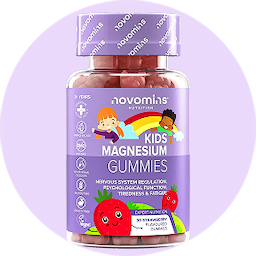
Our Kids Magnesium Gummies provide 60mg of magnesium per gummy, from magnesium citrate. Magnesium contributes to normal psychological function.

Vitamin D
Vitamin D is needed for normal growth and development of bone in children. The NHS says children from the age of 1 need 10 micrograms of vitamin D a day, and that children aged 1 to 4 should be given a daily supplement containing 10 micrograms.
A review of eight studies found lower vitamin D levels in children with ADHD than in children without it. A separate 2019 review of four small trials, all adding vitamin D to methylphenidate, found a small improvement in symptoms, but rated the quality of the evidence low to very low.
The NHS says children aged 1 to 10 should not have more than 50 micrograms (2,000 IU) a day, so add up what your child gets from every product before adding another.
Our Kids Vitamin D Gummies provide 10 micrograms (400 IU) of vitamin D per gummy, the daily amount the NHS says children from age 1 need.
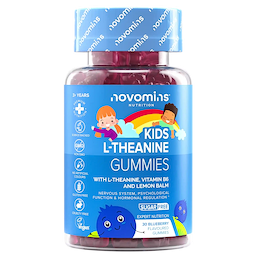
L-theanine
L-theanine is an amino acid found in tea. It has no authorised health claim, so we can only tell you what it is and what research has looked at.
One trial gave 98 boys aged 8 to 12 with ADHD 400mg of L-theanine a day, or a placebo, for six weeks. Boys taking L-theanine scored better on some sleep measures recorded by a wrist monitor, while the time it took them to fall asleep did not change. A pilot study in five boys looked at attention tasks after a single dose. That is too little to say L-theanine helps with ADHD.
Everyday routines that help
| Solution | Key features |
| Diet |
|
| Behavioural Strategies |
|
| Healthy Routines |
|
| Relationships & Social Skills |
|
Diet
NICE asks healthcare professionals to stress the value of a balanced diet, good nutrition and regular exercise for children with ADHD. Food is also the best everyday source of the nutrients in this guide.
If a particular food or drink seems to affect your child's behaviour, NICE suggests keeping a diary of what they eat and drink alongside their behaviour, and sharing it with your GP. If the diary shows a link, your child may be referred to a dietitian. Do not cut out whole food groups without that support.
Instead, opt for brain-friendly foods, such as nuts and omega-3 fatty acids found in tuna, salmon and other fish. Include complex carbohydrates that break down and release energy slowly, like whole-grain bread, potatoes with skin on, vegetables and fruits like kiwis, oranges and apples.
A balanced diet rich in protein is recommended, and it is thought to improve concentration. Good sources of protein include cheese, eggs, meat and beans.
Behavioural strategies
Behaviour support for parents is part of ADHD care. Ask your GP or your child's specialist team what is offered locally.
Also known as parent training, this collaborative process involves working with a therapist who specialises in ADHD. Together, you will learn coping mechanisms that include:
- Staying consistent
- Being positive and focusing on giving praise and rewards when rules are followed instead of criticising bad behaviour
- Developing routines around house chores and schoolwork
- Establishing healthy habits
Healthy routines
Routines provide structure and predictability, which can be incredibly beneficial to children with ADHD, who can quickly become overwhelmed. Routines can help them stay on track and remember what they need to do throughout the day.
From a scientific point of view, establishing a consistent routine will also support better sleep by helping to regulate the brain’s circadian rhythm. You can do this by:
- Creating a stable morning routine to set a positive tone for the day
- Breaking tasks into manageable chunks and introducing regular breaks to prevent them from becoming overwhelmed
- Incorporating regular exercise to help them release their energy in a positive way
- Establishing a homework routine to help them stay on track academically
- Implementing a calm and effective sleep routine
Relationships and social skills
Children with ADHD may have a hard time making friends and playing with others and are usually socially behind their peers. Due to their impulsivity and bursts of energy, they are more likely to play too rough and invade personal spaces and are less likely to share.
To help your child build stronger relationships and improve their social skills, schedule play dates with only one or two friends to avoid overwhelming them and make connections stronger.
At home, emphasise the importance of sharing and taking turns so that they repeat these social skills with their friends and don’t forget to praise and reward them when they show improvement.
Talk to your GP first
Supplements sit alongside your child's prescribed treatment, not instead of it. Before you start anything new:
- Keep giving prescribed medicine as directed. Do not stop or change an ADHD medicine without speaking to the specialist who prescribed it.
- Ask for a blood test before giving iron or zinc. Iron in particular should only be given when a test shows your child needs it.
- Tell your GP, specialist team or pharmacist about every supplement your child takes, including gummies and multivitamins, so they can check it fits with any medicine.
- Raise sleep problems with the specialist team. Melatonin is a prescription only medicine in the UK, so do not buy melatonin products online for a child.
- Mention it if your child is often tired or pale, or eats a very limited range of foods. These are good reasons to ask about a blood test.
Your GP or paediatrician can tell you which nutrients, if any, your child is short of, and how much to give.
How to choose a supplement for a child
If your GP agrees a supplement makes sense, these checks help.
Dose for age. Choose a product made for your child's age and give the amount on the label. Do not give an adult product to a child unless a doctor advises it. Our kids range is for children aged 3 and over.
Upper limits. More is not better. The NHS says children aged 1 to 10 should not have more than 50 micrograms (2,000 IU) of vitamin D a day, and warns that very high doses of iron can be fatal, particularly in children. Add up what your child gets from every product, including a multivitamin, before adding another. Gummies can look like sweets, so store every supplement out of reach and tell your child they are not sweets.
Third party testing. Look for a brand that has its products tested by an independent laboratory and will tell you what was tested. Check the label lists the amount of each nutrient per gummy and its percentage of the nutrient reference value (NRV). Novomins gummies are third party tested by Eurofins.
What we have left out. We have left melatonin, ginkgo and other herbal remedies promoted for ADHD out of this guide. Melatonin is a prescription medicine in the UK, and research on herbal remedies for ADHD in children is too limited for us to suggest them.
If your child needs a broad top up rather than a single nutrient, our guide to children's multivitamins compares the options. Each product page lists the nutrients and amounts in every gummy. None of our gummies is a treatment for ADHD.
The short version
Most nutrient research in children with ADHD is small, short and mixed. Omega-3 has been studied most and made no difference to symptoms in the largest review. The clearest message is about deficiency: if a blood test shows your child is low in iron, vitamin D or another nutrient, correcting it with your GP's advice makes sense. Supplements sit alongside prescribed treatment, not instead of it, and none of our gummies is a treatment for ADHD. Our full kids range lists the nutrients and amounts in each gummy.