













Ever felt like you were hanging on by a thread? Like one more emergency or request will cause your mind to explode? While it might feel like it, your body isn’t necessarily broken, it might just be too busy.
Busy processing notifications before breakfast, busy juggling deadlines, hormones, expectations, workouts, relationships, and the mental load of remembering everything for everyone.
Some might call it stress, burnout, or nervous system overload, but Ayurveda called it imbalance, thousands of years ago. And long before it had a name, Ayurveda had a traditional way to help the body and mind find balance again.
What Ayurveda Really Is (In Plain English)
Ayurveda is one of the world’s oldest holistic health systems, originating in India over 5,000 years ago, with shared roots in broader ancient healing traditions across parts of Asia and Africa. At its core is one simple idea: balance.
It sees you as a whole system. Your mood, digestion, sleep, energy, focus, skin, and emotional state are connected. Nothing exists in isolation.
At the heart of Ayurveda are three core energies, known as doshas.

View as text
Ayurveda: The 3 Doshas
-
Vata
Light, fast, airy. The busy mind. The overthinker at 2am. -
Pitta
Fiery, focused, intense. Driven. Ambitious. Easily overheated. -
Kapha
Steady, grounded, calm. Cosy and loyal. Prone to feeling heavy or stuck.
According to Ayurvedic practice, everyone has all three, but in different combinations with one being more dominant. The goal is not to label yourself, it is to notice when one becomes excessive.
- 🫧💨 Too much Vata can feel like racing thoughts and restless sleep.
- 🔥💧 Too much Pitta can show up as irritability and tension.
- 🌳💧 Too much Kapha can feel like low energy or flat mood.
Ayurveda never saw these as random symptoms. They were considered signals that your internal balance needed support.
What Disrupts Each Dosha in Modern Life
Ancient wisdom developed in a slower world. Our modern environment amplifies imbalance in ways Ayurveda never saw coming, but might have understood in principle.
Vata Disruption: Overstimulation
According to Ayurvedic tradition, Vata governs movement and is thought to be easily disturbed by excess stimulation.
View as text
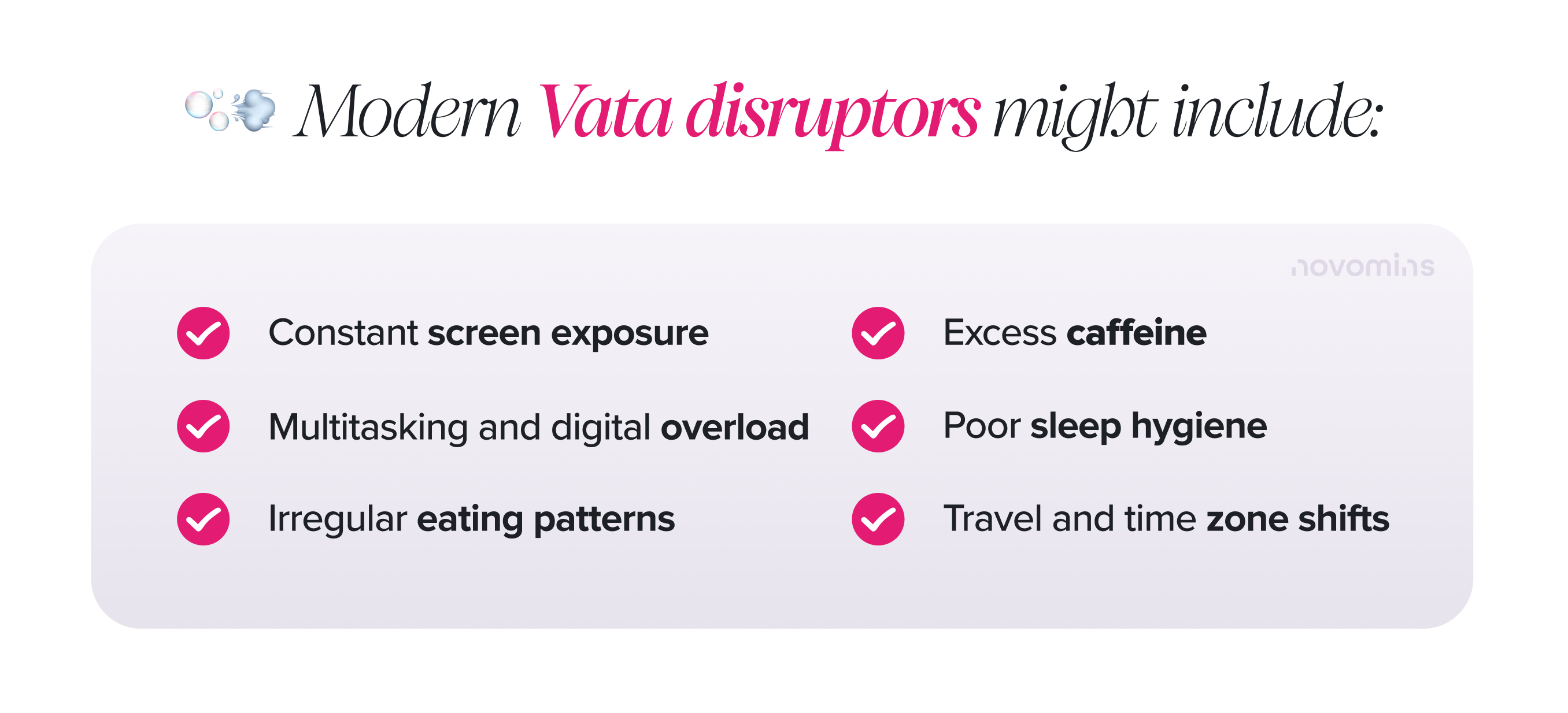
Modern Vata disruptors might include:
- Constant screen exposure
- Multitasking and digital overload
- Irregular eating patterns
- Excess caffeine
- Poor sleep hygiene
- Travel and time zone shifts
In Ayurvedic practice, when lifestyle is erratic, Vata is known to be erratic.
The result may feel like anxiety, bloating, light sleep, scattered thinking, dry skin, feeling wired yet exhausted.
Pitta Disruption: Overdrive
In Ayurvedic practice, Pitta governs transformation and intensity.
View as text
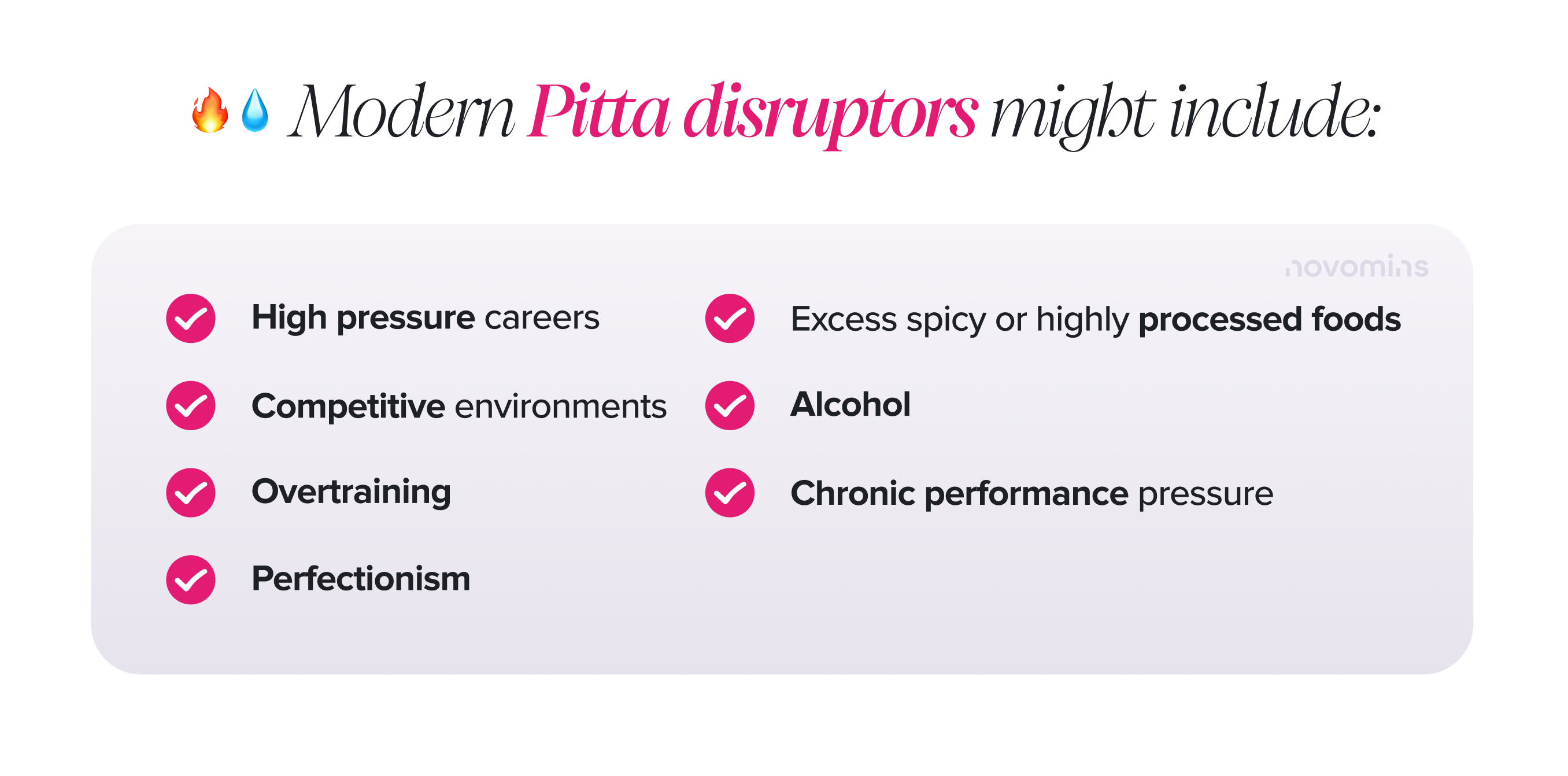
Modern Pitta disruptors might include:
- High pressure careers
- Competitive environments
- Overtraining
- Perfectionism
- Excess spicy or highly processed foods
- Alcohol
- Chronic performance pressure
Simply put, it is thought that when ambition overrides rest, Pitta overheats.
This can show up as irritability, inflammation, digestive discomfort, tension headaches, burnout.
Kapha Disruption: Stagnation
Ayurveda teaches that Kapha governs structure and stability.

View as text
Modern Kapha disruptors might include:
- Sedentary desk work
- Ultra processed, high sugar diets
- Emotional eating
- Low sunlight exposure
- Lack of movement
- Chronic oversleeping
In other words, when there is too little stimulation, Kapha can become heavy.
This may feel like sluggishness, low motivation, brain fog, congestion, emotional flatness.
How Ayurveda Works
Ayurveda places strong importance on digestion, often referred to as your inner fire. Modern diets heavy in processed foods, artificial additives, high sugar intake, and irregular eating patterns can weaken this digestive strength.
View as text
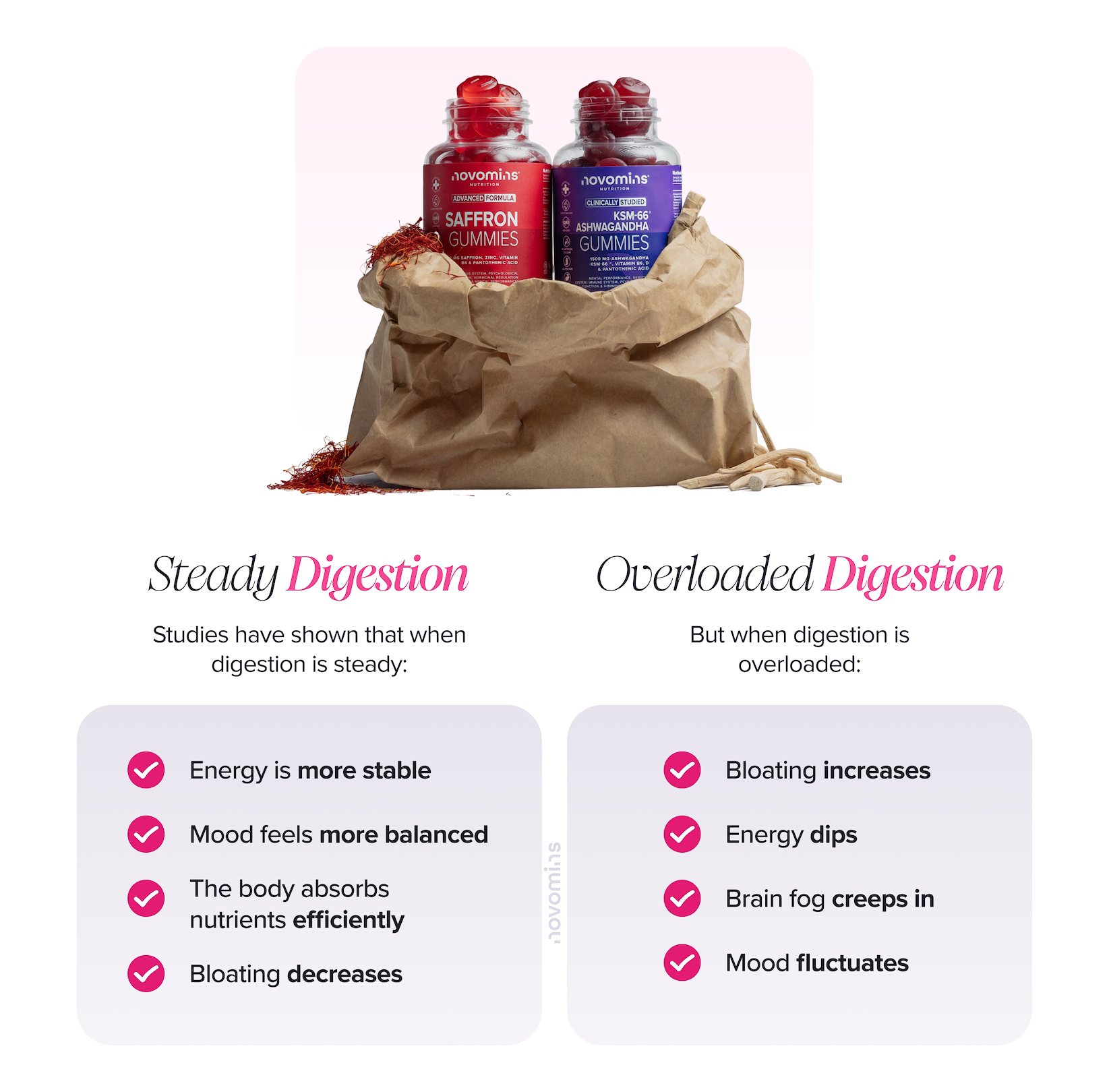
Steady Digestion
Studies have shown that when digestion is steady:
- Energy is more stable
- Mood feels more balanced
- The body absorbs nutrients efficiently
- Bloating decreases
Overloaded Digestion
But when digestion is overloaded:
- Bloating increases
- Energy dips
- Brain fog creeps in
- Mood fluctuates
In addition to focusing on gut health, Ayurveda also emphasises:
- ⏰ Consistent sleep and wake times
- 🥘 Warm, nourishing meals
- 🪷 Nervous system calm
- 🧘 Daily rituals that stabilise the body
It is proactive rather than reactive, so instead of waiting for burnout, it would support the foundations every day. And when herbs are used, they are chosen carefully to gently guide imbalance back toward the centre.
Modern Life Through an Ayurvedic Lens
Yes, Ayurveda was created in a slower world.
No blue light at midnight, no inbox before sunrise, no ultra processed snacks eaten at a desk.
And yet, it understood what happens when the nervous system is overstimulated and digestion is compromised.
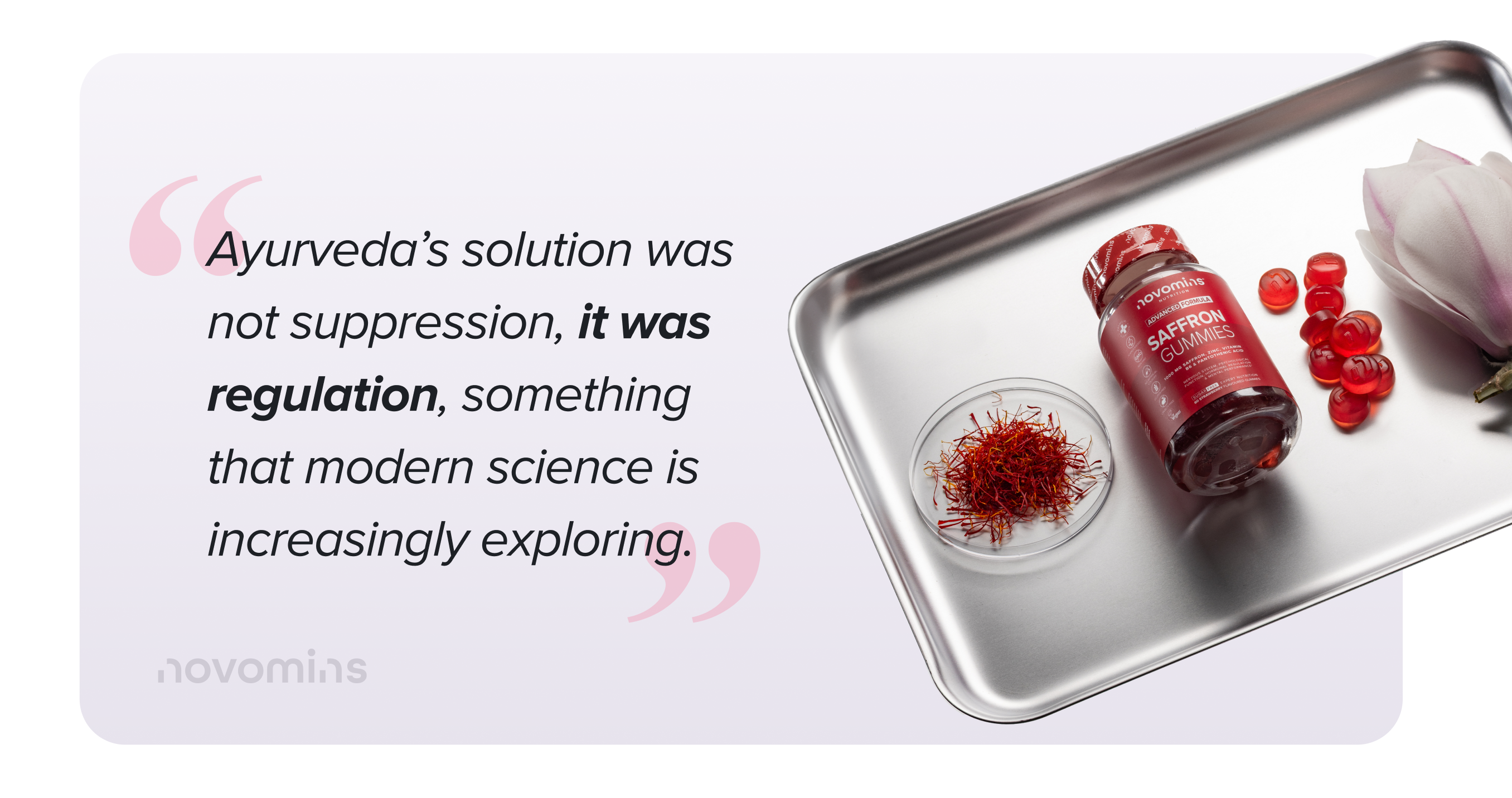
Instead of masking symptoms or overpowering the body, Ayurveda works with it, using herbs, roots, and spices as gentle daily correctives to nudge imbalance back towards the centre.
These ingredients were part of everyday life, stirred into meals, brewed into tonics, chosen not for instant impact but for their ability to support the body consistently over time.
Two of its most respected herbs, now studied extensively in modern research, are Ashwagandha and Saffron.
Together, they were traditionally used to support different layers of the stress and mood equation.
Ashwagandha: Resilience and Grounding
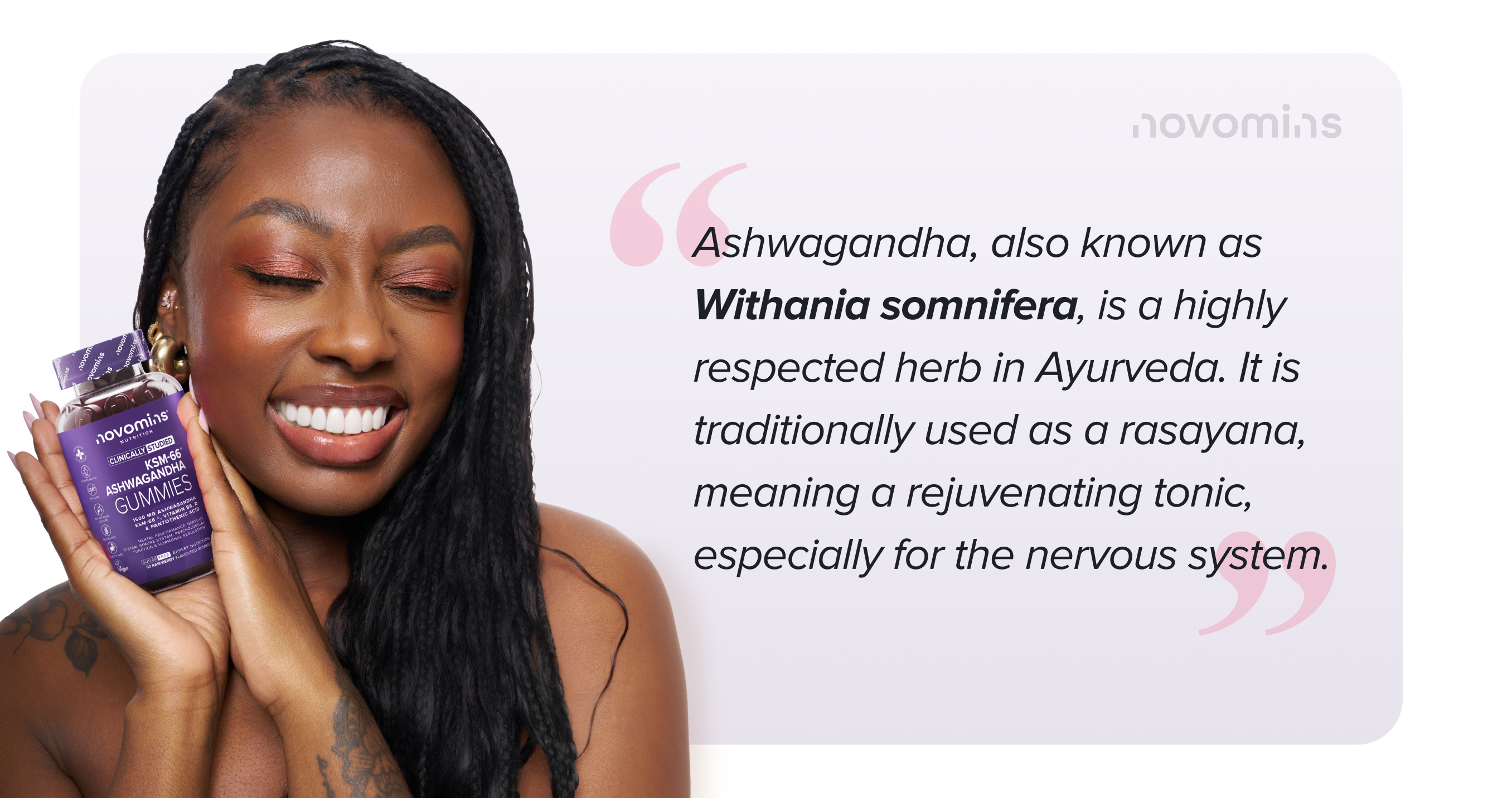
It is often recommended when Vata is excessive and the mind feels scattered, or when Pitta has driven someone into overexertion and depletion.
Today we might call it brain fog, burnout, or emotional overload. But long before it had a label, Ayurveda recognised that a system pushed too hard needs grounding support. And modern science is paying close attention!
Several randomised, placebo-controlled trials now suggest that Ashwagandha, specifically Ashwagandha KSM-66®, extracts can support measurable improvements in perceived stress and anxiety scores.
Ashwagandha KSM-66®, is the stronger root extract which is the most studied form in research today.
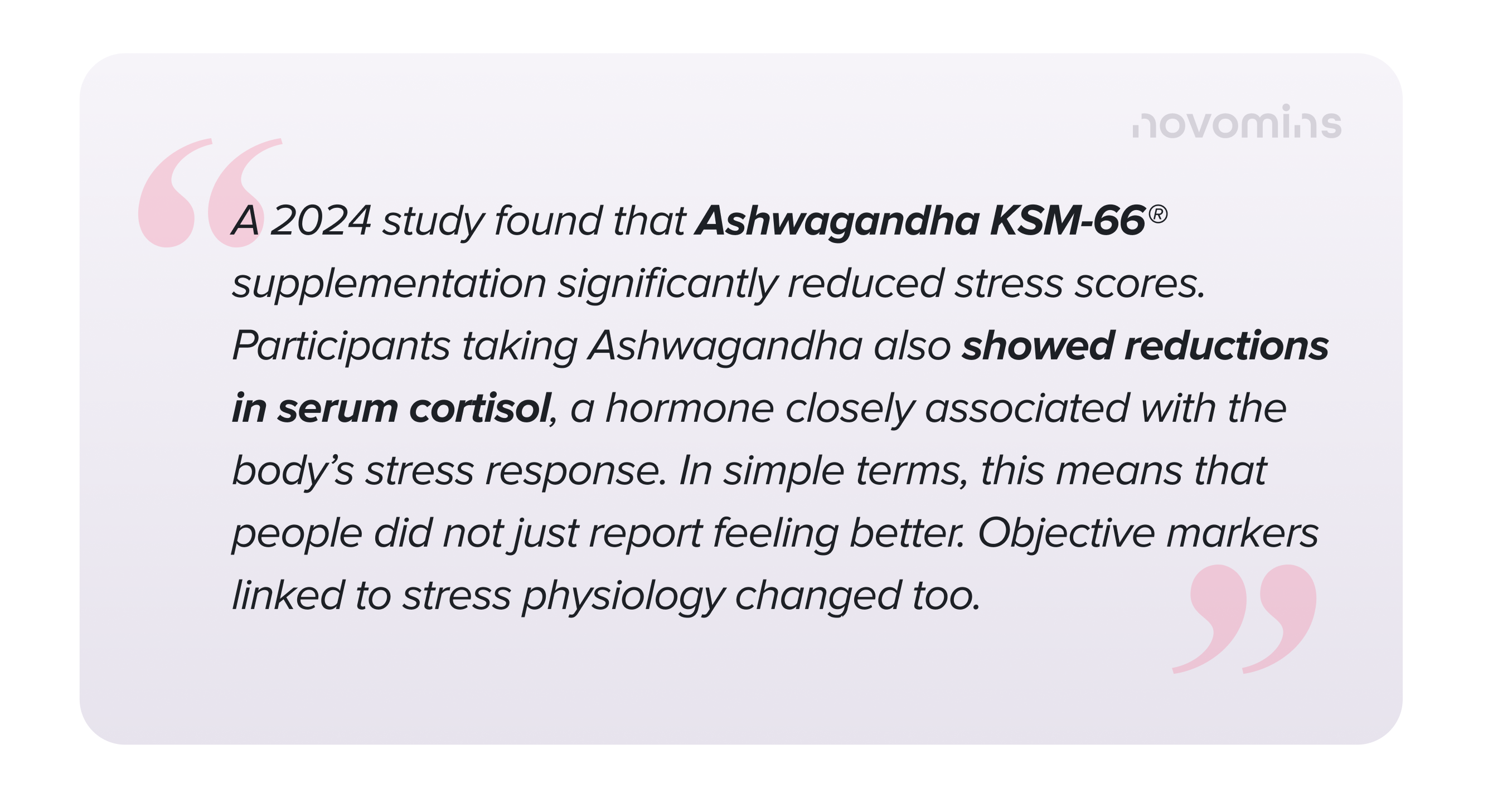
A separate study found similar results. Participants experienced significant reductions in anxiety scores and decreases in morning cortisol. Researchers suggested that Ashwagandha may exert its effects by modulating the hypothalamic pituitary adrenal axis, the central system that regulates how the body responds to stress.
More recently, an analysis of 22 previous studies concluded that Ashwagandha supplementation was associated with significant improvements in stress, anxiety, and even depressive symptoms.

Across different populations, dosages, and standardised extracts, Ashwagandha repeatedly demonstrates an ability to support psychological measures of stress and anxiety alongside changes in stress related biomarkers.
For a plant long described as an adaptogen, modern data is beginning to map how that adaptation may work within the body’s stress systems.
Saffron: Emotional Balance, Explored Through Research
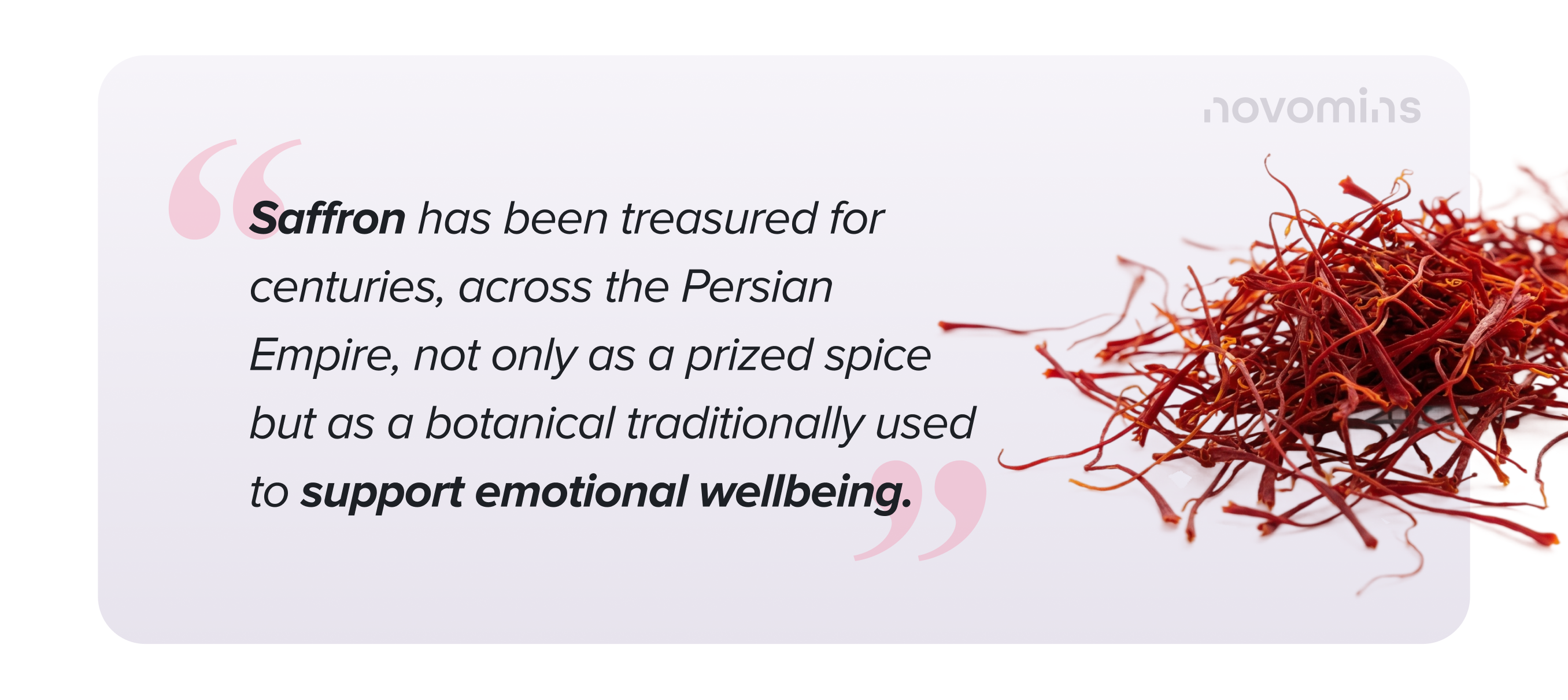
Saffron is not just a culinary ingredient. In clinical research, it has become one of the most studied botanicals in the mood and emotional wellbeing space.
Clinical reviews have found that the largest concentration of saffron studies sits in neurological and psychological domains, particularly depressive symptoms. In other words, when researchers test saffron in people, mood is where they look first.
Saffron’s effects come from a small group of naturally occurring bioactive compounds.
Crocin
Crocin is the pigment that gives saffron its rich red colour. It has been widely studied in mood-related research and is commonly used as a marker of extract quality.
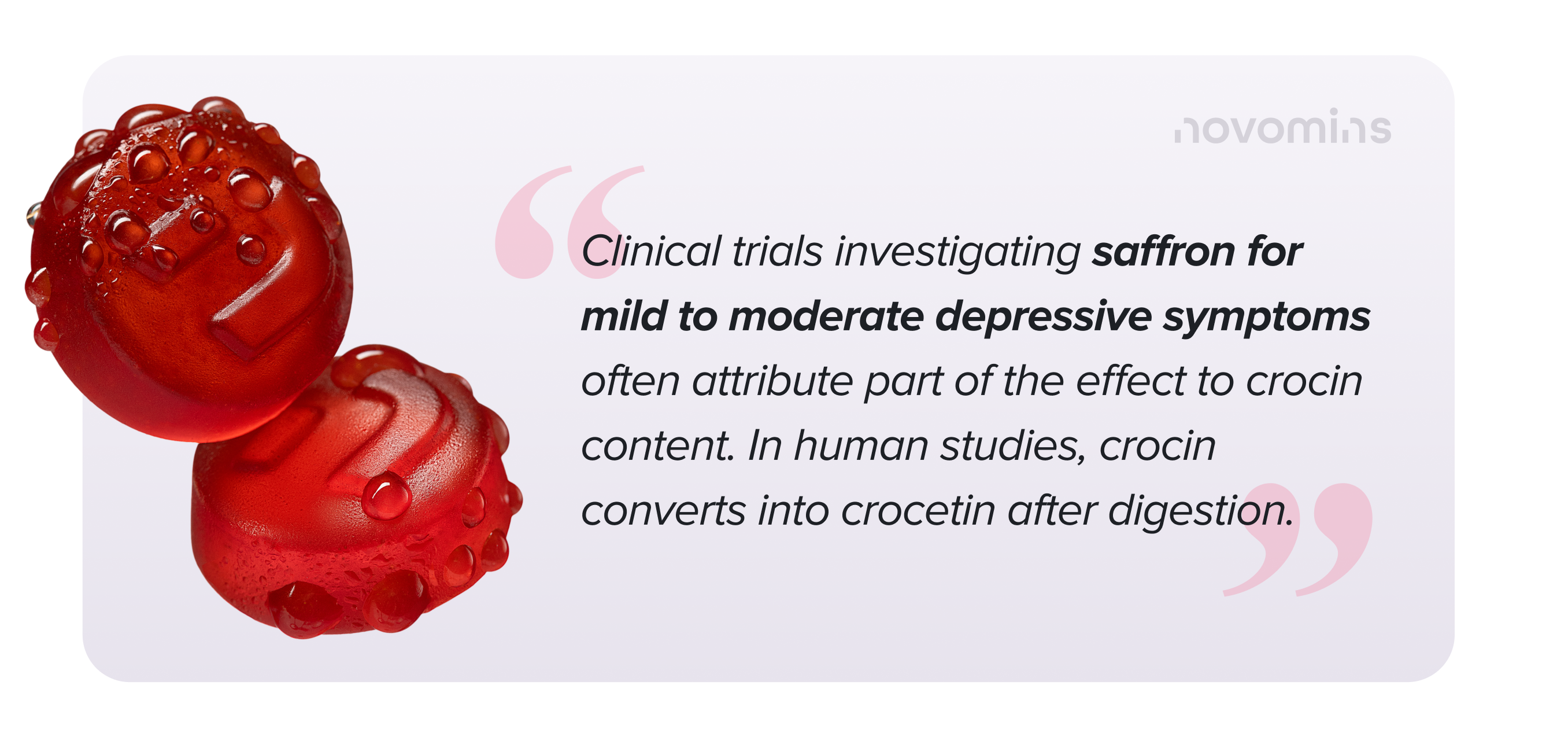
Crocetin
Crocetin is formed when crocin is metabolised in the gut.
It is absorbed into the bloodstream and has been detected in urine following saffron supplementation in clinical trials. In at least one human study, higher urinary crocetin levels were associated with improvements in mood scores.
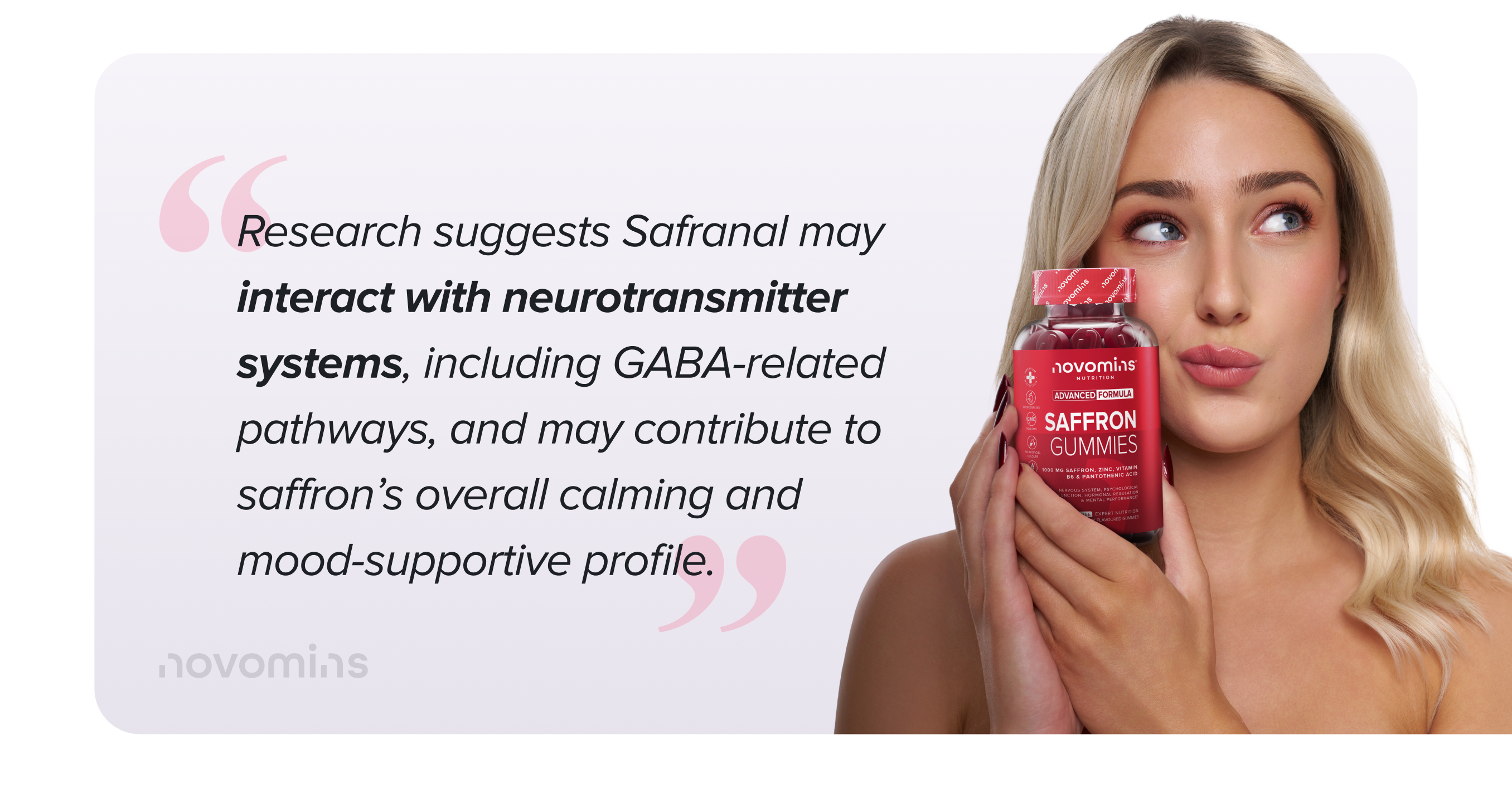
Safranal
Safranal gives saffron its distinctive aroma. It has been studied in animal models for its potential influence on mood and anxiety-related behaviours.
Picrocrocin
Picrocrocin is responsible for saffron’s slightly bitter taste. It is a precursor to safranal and contributes to saffron’s overall phytochemical profile.
Saffron: The Bigger Picture
Most clinical studies use whole saffron extract rather than isolated compounds. This suggests that the combined action of crocin, crocetin, safranal and other compounds may work together.
View as text
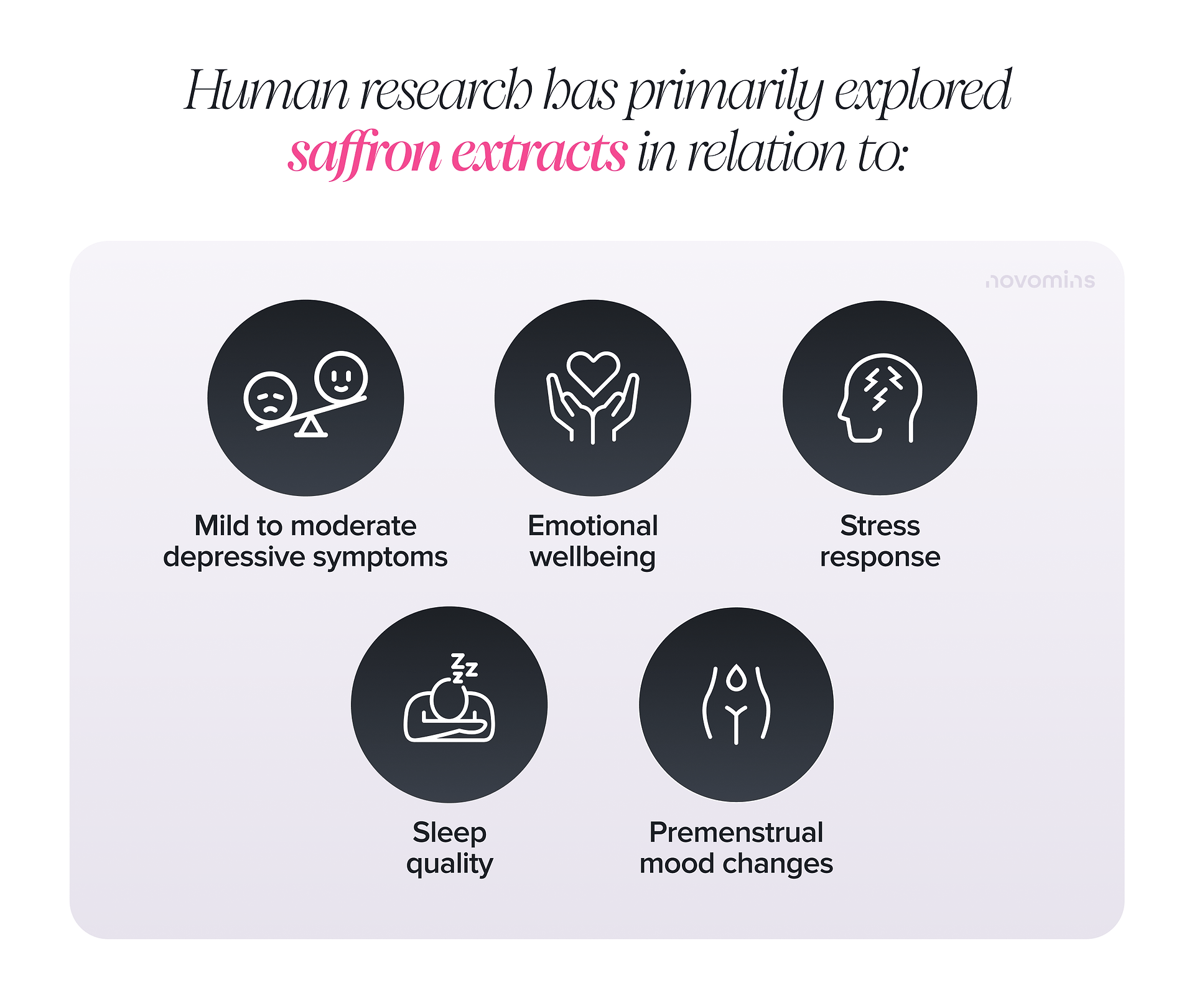
Human research has primarily explored saffron extracts in relation to:
- Mild to moderate depressive symptoms
- Emotional wellbeing
- Stress response
- Sleep quality
- Premenstrual mood changes
Why Saffron & Ashwagandha Work Together Today
Modern life pulls you in two directions at once. You’re overstimulated and under-rested, mentally busy but emotionally drained. That’s where the pairing makes sense.
View as text
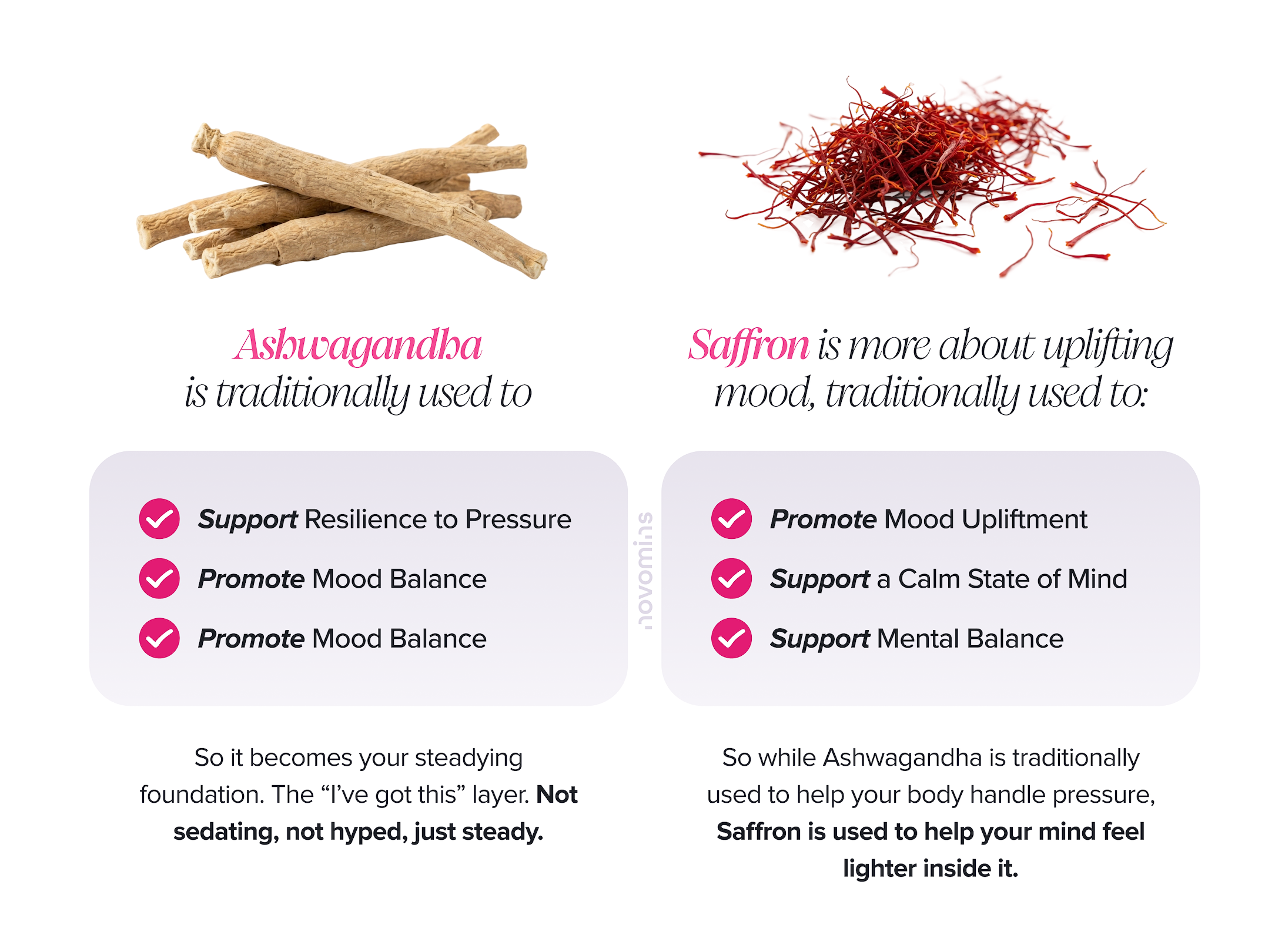
Ashwagandha is traditionally used to
- Support Resilience to Pressure
- Promote Mood Balance
- Promote Mood Balance
So it becomes your steadying foundation. The “I’ve got this” layer. Not sedating, not hyped, just steady.
Saffron is more about uplifting mood, traditionally used to:
- Promote Mood Upliftment
- Support a Calm State of Mind
- Support Mental Balance
So while Ashwagandha is traditionally used to help your body handle pressure, Saffron is used to help your mind feel lighter inside it.
One to steady, one to brighten, this pairing reflects Ayurvedic balance in action.
Bringing Ancient Wisdom Into a Modern Ritual
While Ayurveda traditionally relied on powders, spices, and juices, modern life demands simplicity.
Our formulations are inspired by these principles and brought into an easy daily ritual with added ingredients recognised by modern day science for their role in nervous system support & mental performance.
Ashwagandha Gummies
A modern ritual, rooted in the kind of wisdom your grandmother would have sworn by. Now it’s in delicious, raspberry-flavoured gummies...

We paired KSM-66® Ashwagandha with vitamin B5, B6, and D to support psychological function and calm resilience. This is an ancient herb with clinically studied modern precision.

Saffron Gummies
Some seasons feel heavier than others; with heartbreak & the quiet ache after something ends. For centuries, saffron was turned to in times like these, as a gentle way to soothe the heart and steady the mind when emotions ran deep.
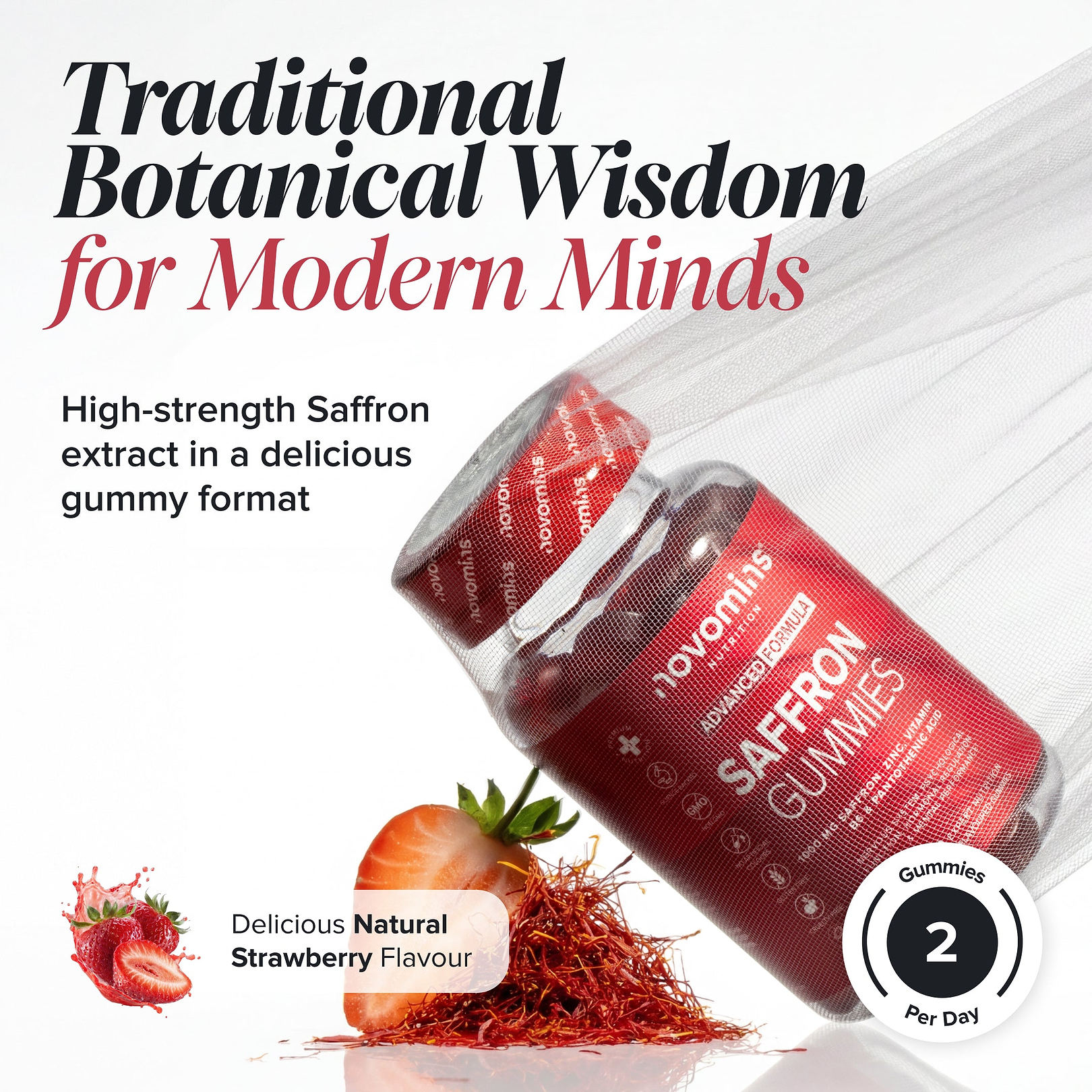
This formulation combines Saffron with Vitamin B5, B6, and Zinc; nutrients that support cognitive + psychological function & emotional balance. Vitamin B6 also supports the regulation of the nervous system often linked to mood. Over time they can help uplift & contribute to steadiness and mental upliftment, all in a delightful strawberry flavour.

Why daily?
Daily use, because stress and mood aren’t emergencies, they’re patterns and using them daily is like brushing your teeth, but for your nervous system.
Just like you don't wait for cavities to start brushing your teeth, you’re not waiting until you feel burnt out and at your emotional breaking point, you’re supporting balance before you tip.
It becomes less about fixing and more about maintaining your baseline so you can handle work, relationships, hormones, workouts, and everything else without feeling constantly on edge.
Meet the Mental Resilience Bundle
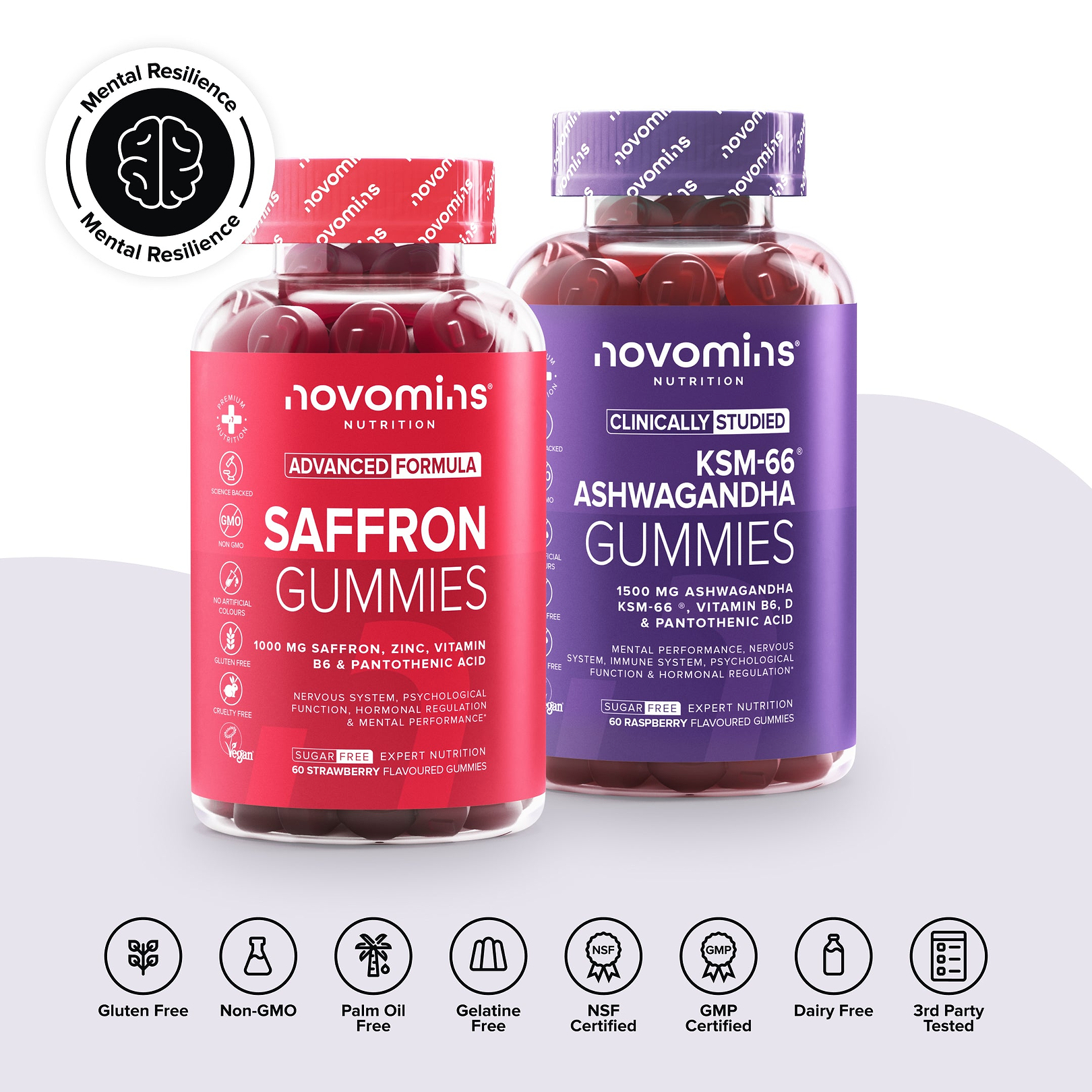
Ancient support. Modern format. No bark chewing required.