





If you're on the internet, you've heard of biohacking. But what is it really? Is it just another wellness buzzword or is there something more to it?
🧬 At its core, biohacking is the practice of optimising human biology through science-backed, intentional lifestyle choices.
But, you do not need to be interested in biohacking to care about NAD+.
Ageing does not begin with wrinkles or grey hairs. It begins quietly inside the body, at a cellular level, shaping how efficiently cells produce energy and cope with daily stress.
This shift in focus is why longevity science is moving upstream, and why biohacking is suddenly everywhere.
This is not about living longer. It is about living better.
This article breaks down what NAD+ is, how it works, and why it has become a key focus in longevity science.
What Is NAD+?
To understand what NAD+ is, it helps to first understand the mitochondria.
Every cell in your body contains mitochondria. These tiny structures are responsible for producing ATP, the form of energy your body actually uses. Every movement, thought, repair process, and moment of focus depends on this cellular energy supply.
View as text
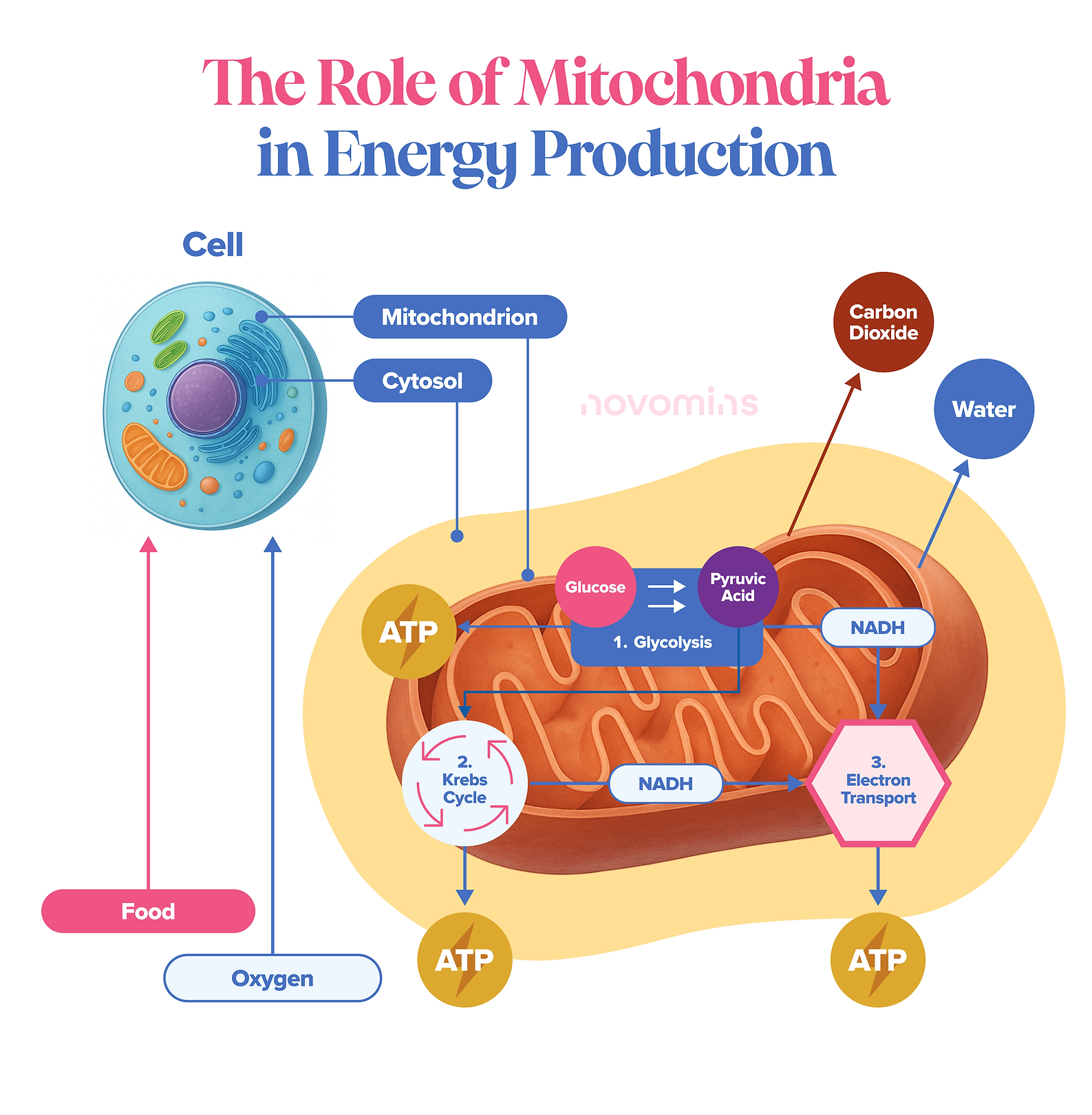
The Role of Mitochondria in Energy Production
Cell: Mitochondrion, Cytosol. Inputs: Food, Oxygen. Outputs: Carbon Dioxide, Water.
- Glycolysis: Glucose → Pyruvic Acid, producing ATP and NADH
- Krebs Cycle: producing ATP and NADH
- Electron Transport: producing ATP, Carbon Dioxide and Water
Mitochondria are often described as the power plants of your cells, but their role extends beyond energy alone. They influence metabolism, support cellular repair, and help cells adapt to physical and psychological stress.
When mitochondria function efficiently, energy tends to feel steadier and recovery more manageable. When their efficiency declines, energy production becomes less effective.
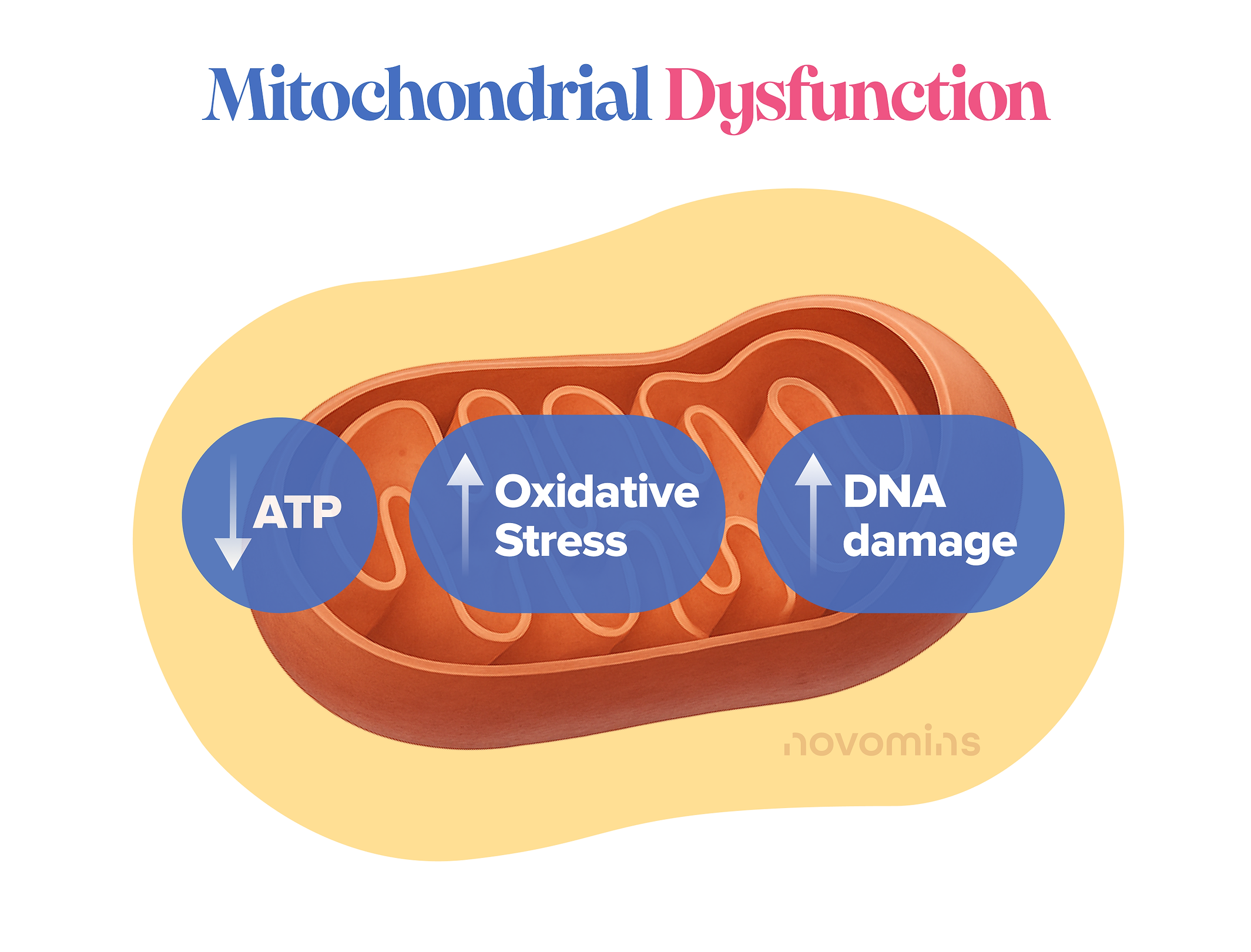
This gradual loss of efficiency is often referred to as mitochondrial dysfunction.
View as text
- ↓ ATP
- ↑ Oxidative Stress
- ↑ DNA damage
Mitochondrial dysfunction does not mean mitochondria stop working. It means they become less effective at producing energy and supporting cellular demands.
Over time, this can contribute to lower resilience, slower recovery, and the feeling that everyday life requires more effort than it once did.

View as text
Mitochondrial Health Key Factors
What damages mitochondria over time?
- Chronic Stress
- Poor Sleep
- Low NAD+ Availability
- Diets High in Processed Foods
- Low Levels of Physical Activity
These factors often overlap. Over time, their combined effect influences how resilient cellular energy production remains.
What repairs mitochondria over time?
- Adequate Sleep & Recovery
- Regular Movement
- Balanced Nutrition
- Stress Management
- NAD+ Availability
Consistency matters more than intensity. Small, repeatable habits shape mitochondrial health far more than extreme interventions.
Mitochondria are resilient, but their efficiency is shaped by long-term patterns rather than short-term habits.
The Role of NAD+ in Longevity
This is where NAD+ comes in.
NAD+ stands for nicotinamide adenine dinucleotide. It is a naturally occurring coenzyme found in every living cell and is essential for mitochondrial energy production.
Mitochondria rely on NAD+ to produce energy efficiently. During cellular respiration, NAD+ carries electrons through the reactions that allow nutrients from food to be converted into ATP, the energy your cells use to function.
View as text
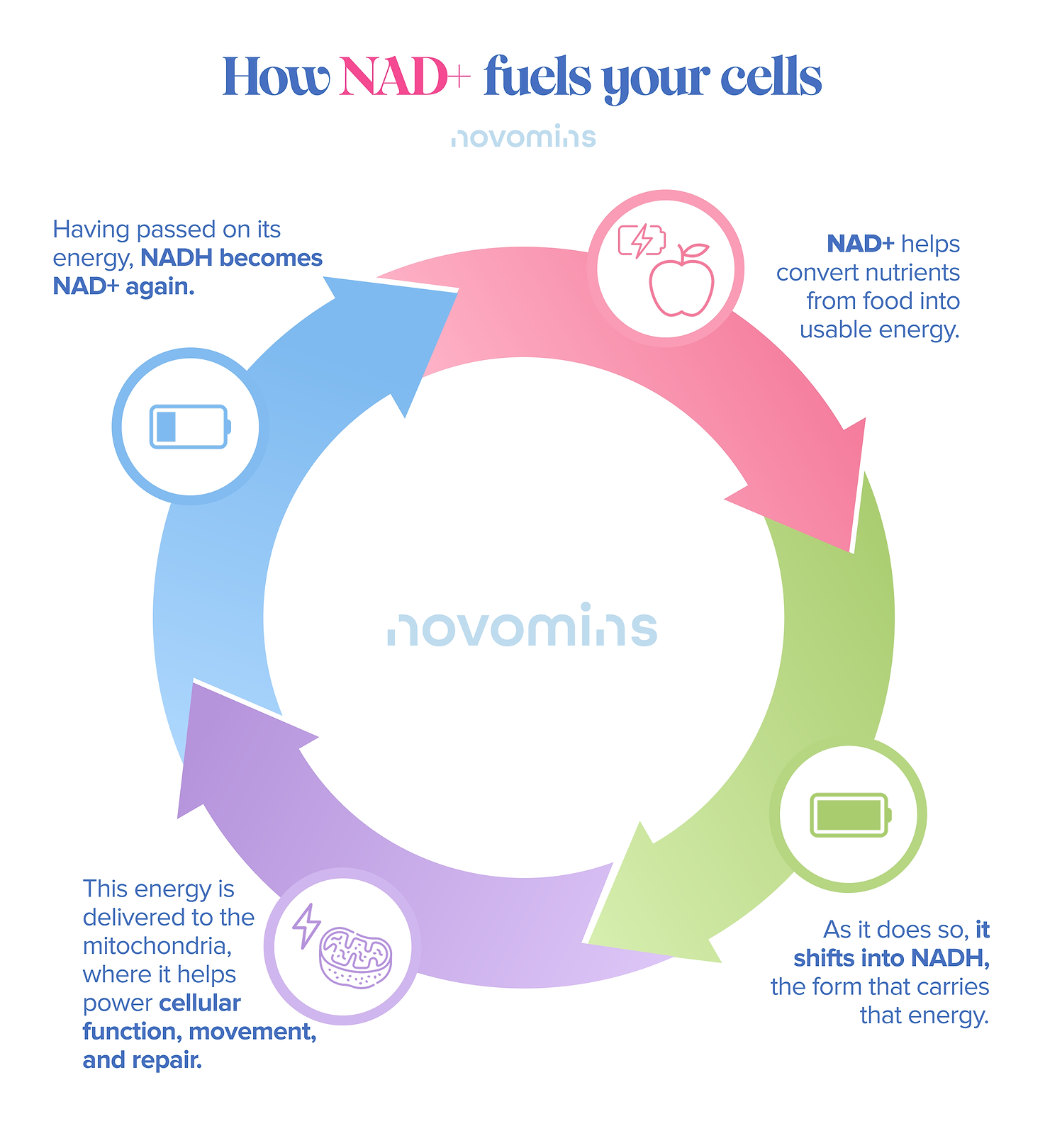
- NAD+ helps convert nutrients from food into usable energy.
- As it does so, it shifts into NADH, the form that carries that energy.
- This energy is delivered to the mitochondria, where it helps power cellular function, movement, and repair.
- Having passed on its energy, NADH becomes NAD+ again.
When NAD+ availability is sufficient, this process runs smoothly. When availability declines, energy production becomes less efficient, even if nutrient intake stays the same.
This relationship is why NAD+ features so prominently in discussions around ageing and biohacking. As NAD+ availability changes with age and lifestyle strain, mitochondrial efficiency can decline alongside it.
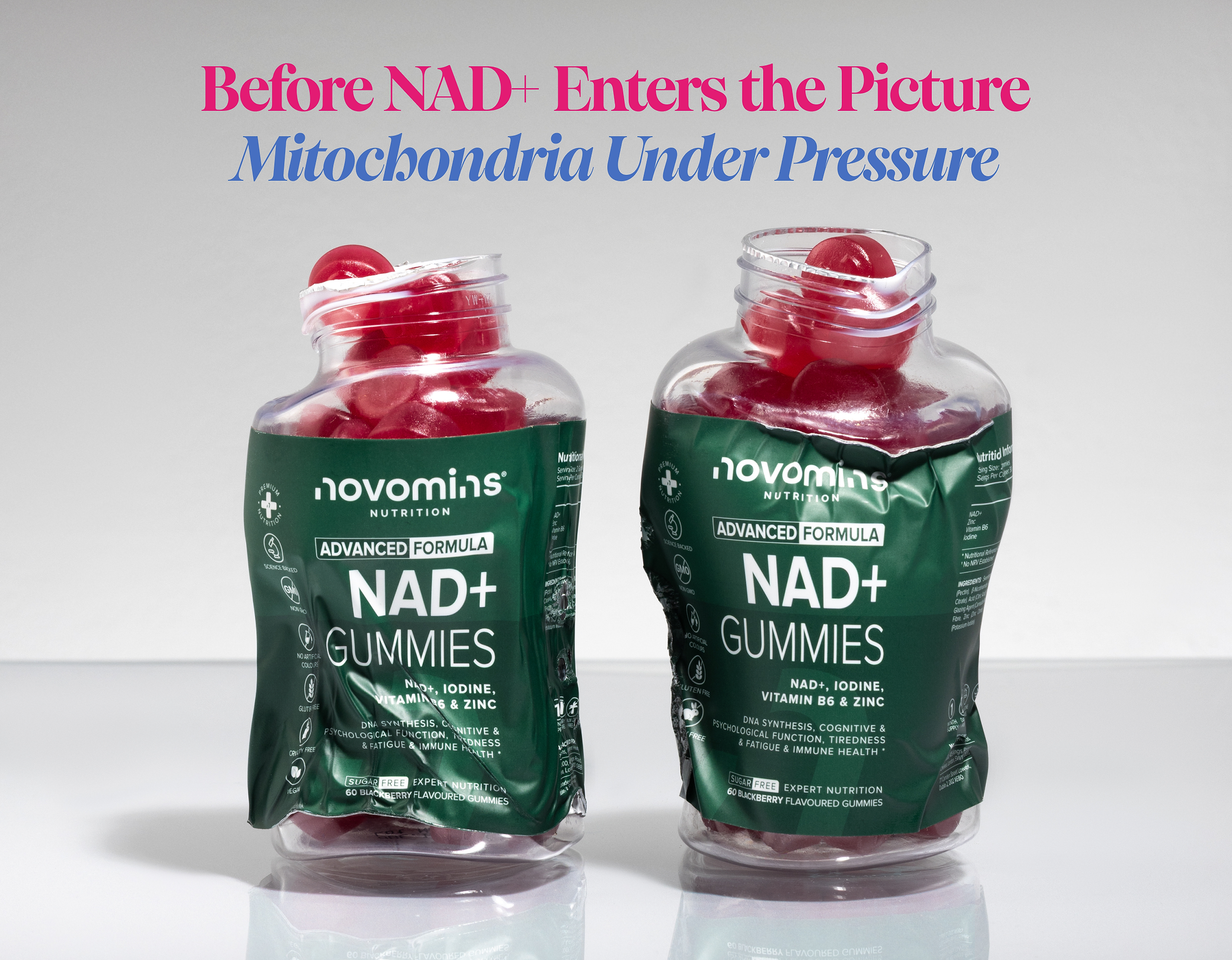
Supporting NAD+ is not about forcing energy or overstimulating the system. It is about helping mitochondria do their job more efficiently so cellular energy production can better support daily life.
NAD+ & Diet
Your body produces NAD+ continuously, and diet plays an important role in supporting this process.
NAD+ itself is not found directly in foods. Instead, it is synthesised from dietary nutrients, particularly those related to vitamin B3. These nutrients provide the building blocks the body uses to maintain NAD+ through normal metabolic pathways.

View as text
- Nuts and seeds
- Wholegrains
- Fish and seafood
- Eggs and poultry
- Dairy products
- Legumes
Diet lays the foundation, but it is only one part of the picture.
NAD+ and Ageing
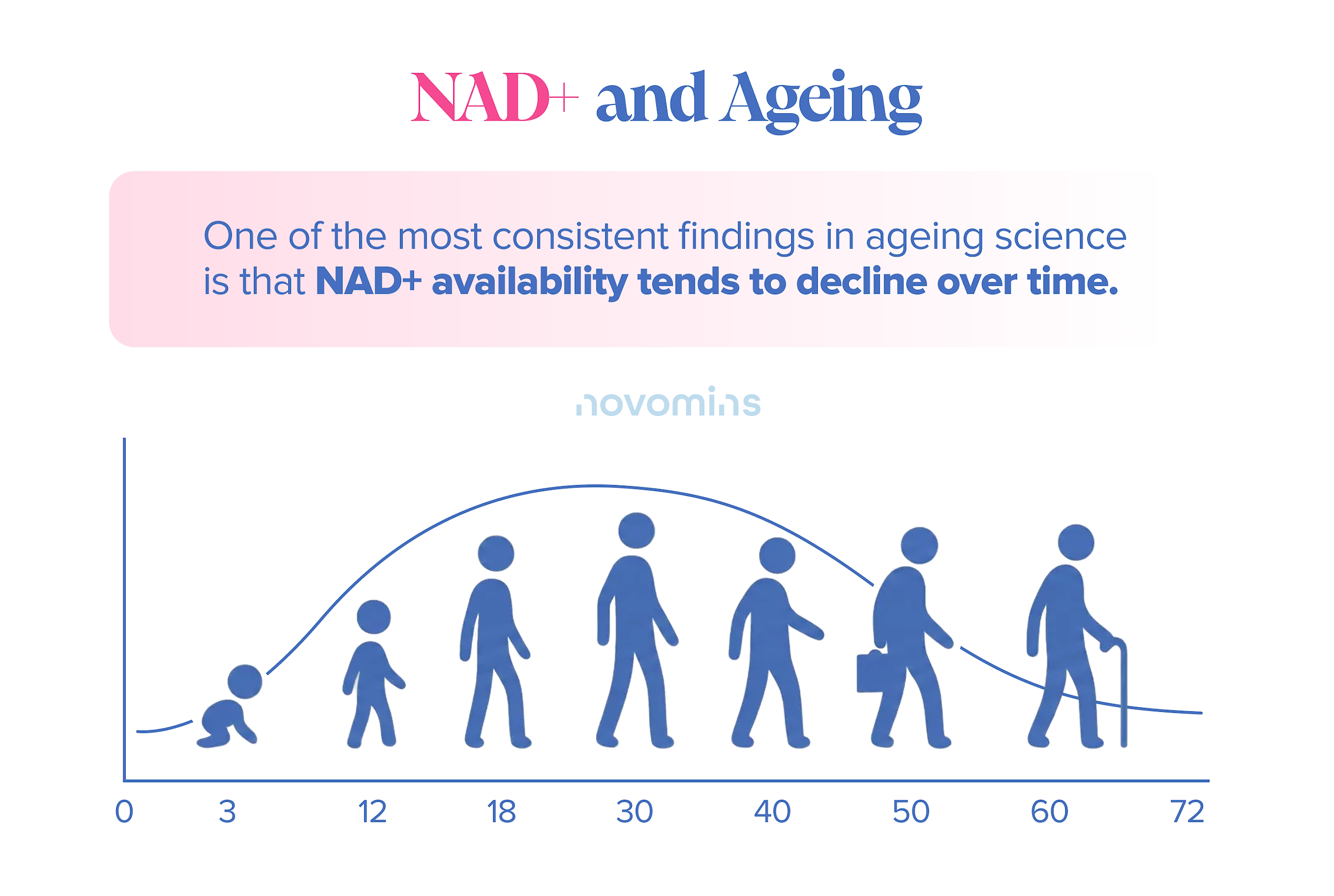
One of the most consistent findings in ageing science is that NAD+ availability tends to decline over time.
View as text
One of the most consistent findings in ageing science is that NAD+ availability tends to decline over time.
As NAD+ levels fall, mitochondrial energy production can become less efficient and cellular repair processes may slow.
Rather than viewing ageing as something that suddenly happens, researchers now understand it as a slow shift in cellular efficiency. Over time, this shift can influence how resilient the body feels, how quickly it recovers, and how well it maintains vitality.
This is why NAD+ has become a focal point in longevity science. Instead of targeting outward signs of ageing, scientists are looking at how to support the internal systems that help cells function well for longer.
NAD+ is not about stopping ageing, it is about supporting cellular processes that underpin long-term vitality.
Supporting NAD+ Beyond Food
Because NAD+ is constantly being used and recycled in the body, researchers have explored whether it can be supported beyond diet alone.
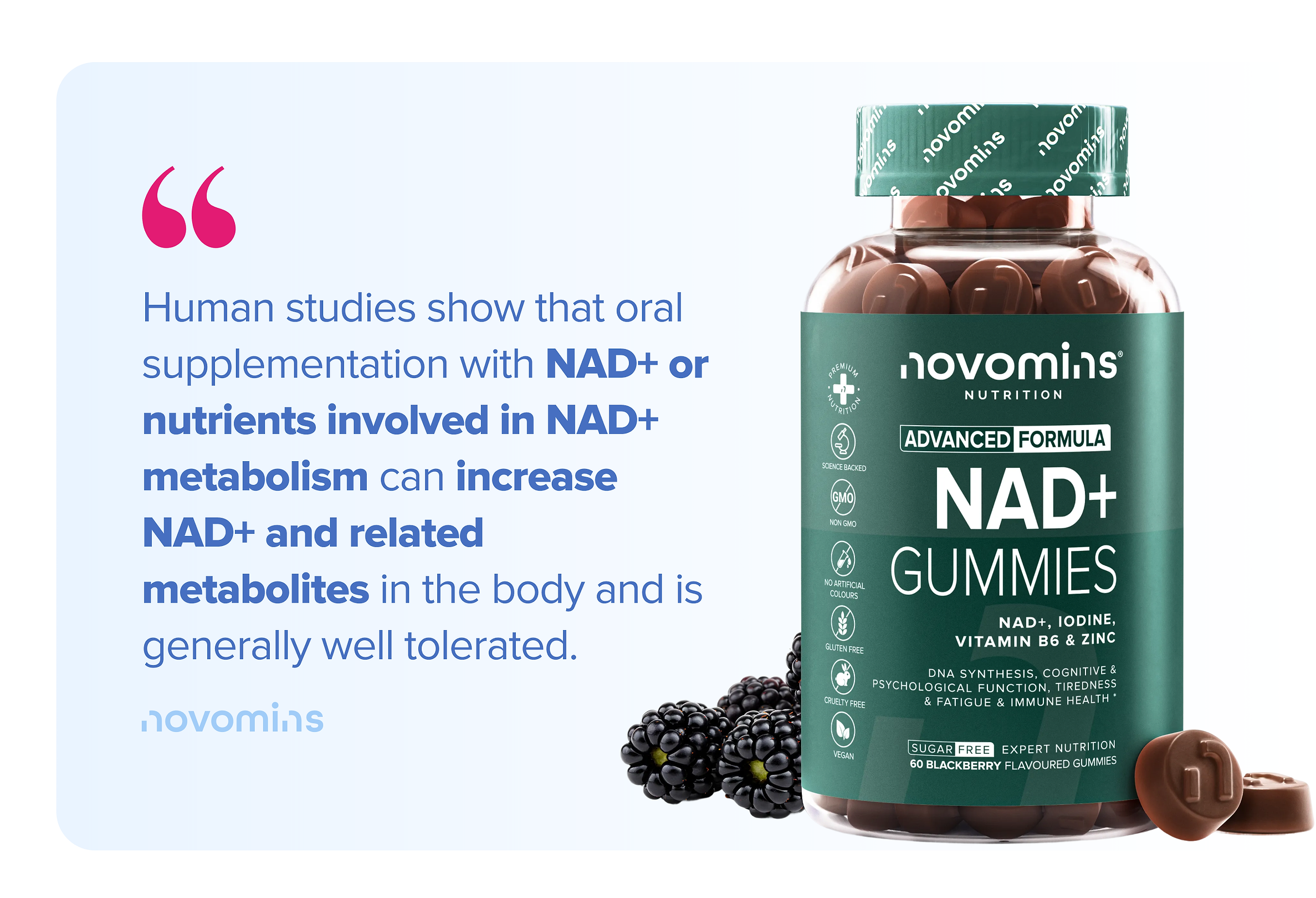
What is clear is that supplementation works best when viewed as supportive rather than corrective. It complements the foundations of sleep, nutrition, movement, and stress management rather than replacing them.
Longevity is rarely built through a single intervention. It is shaped by consistent support over time.
Why Supporting Nutrients Matter
NAD+ does not operate in isolation. It functions within a wider metabolic network, which is why formulations designed to support vitality and longevity often include complementary nutrients.
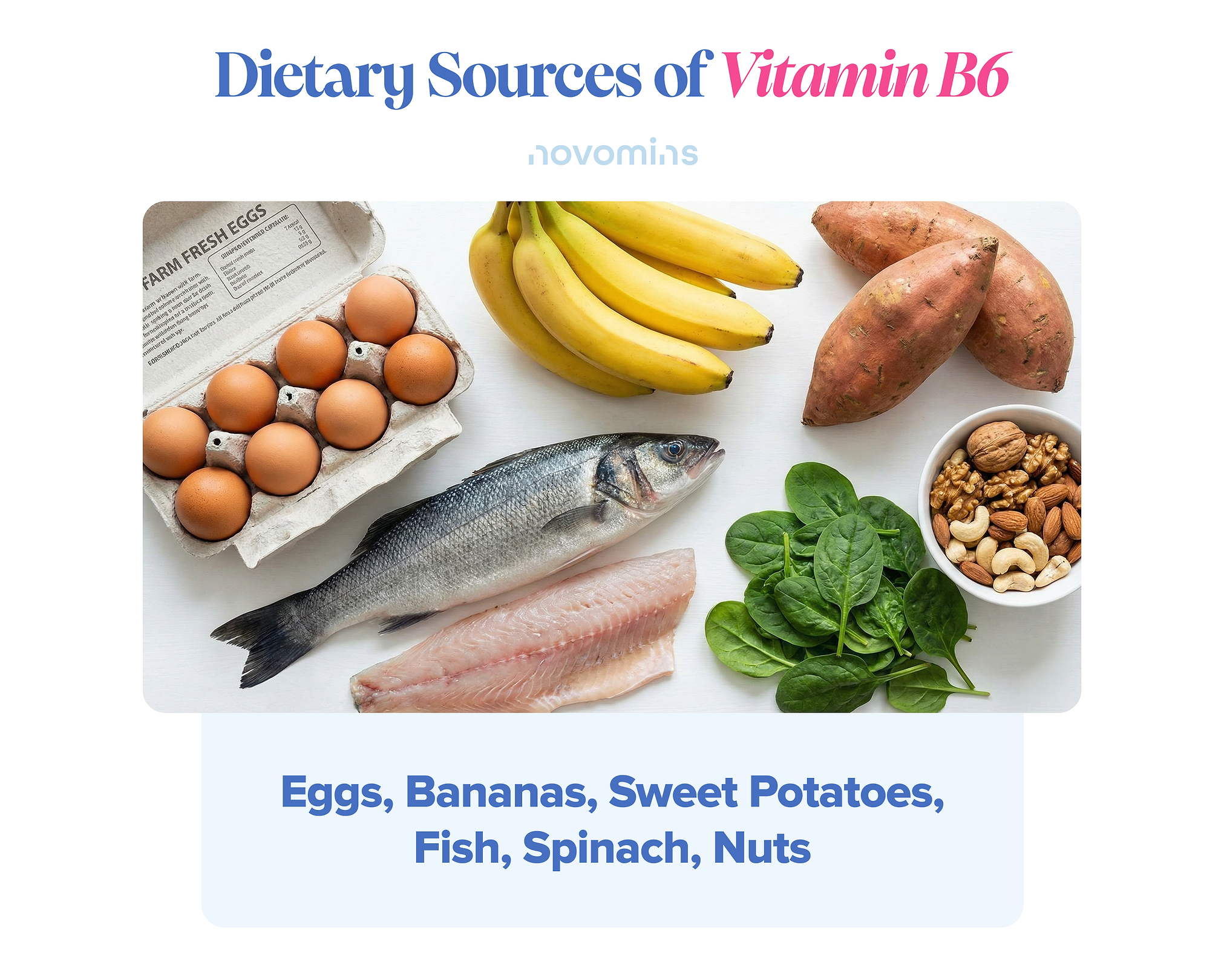
Vitamin B6 contributes to normal energy-yielding metabolism and normal nervous system and psychological function, supporting processes that influence how energy is produced and managed.
View as text
- Eggs
- Bananas
- Sweet Potatoes
- Fish
- Spinach
- Nuts
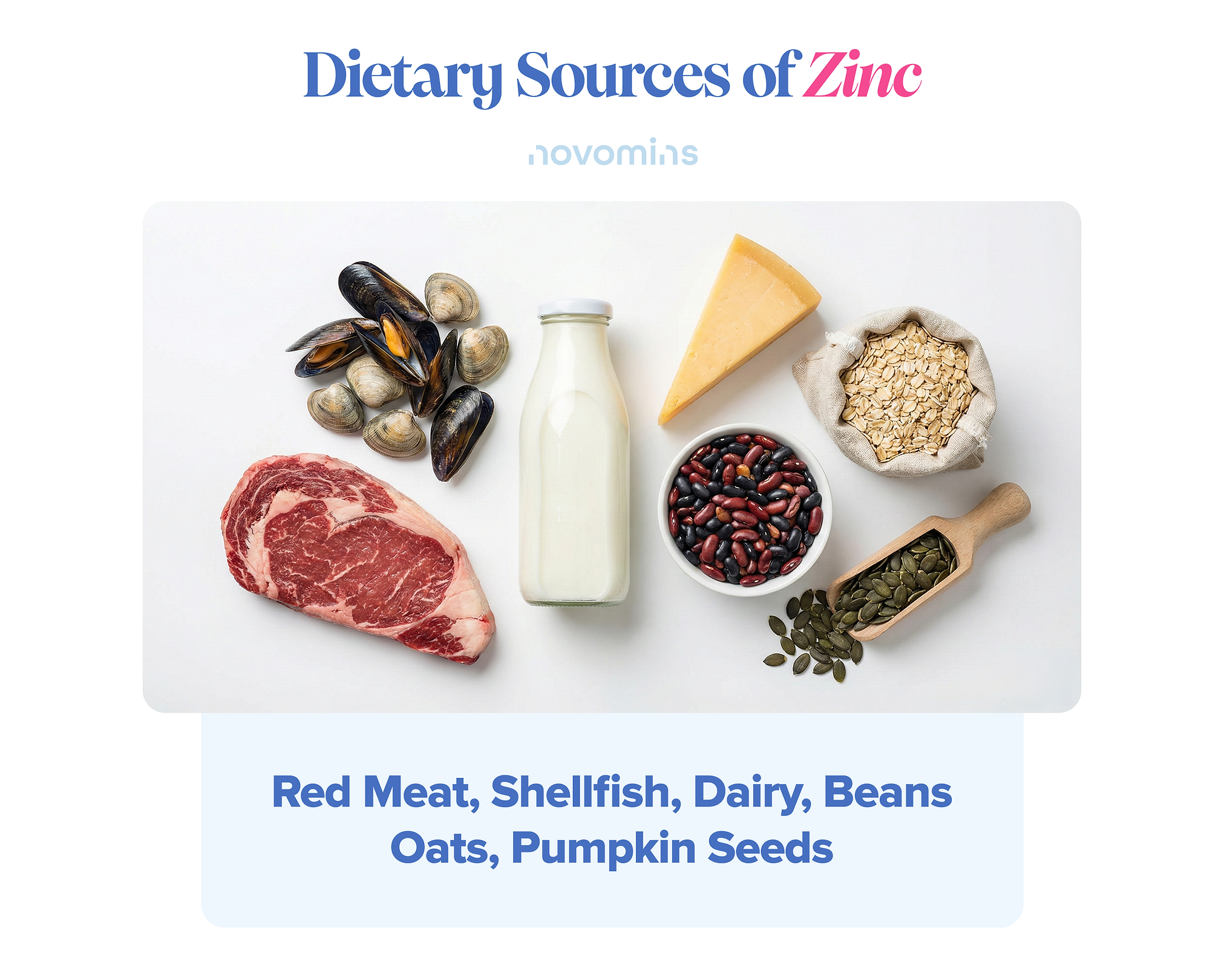
Zinc contributes to normal DNA synthesis, normal immune function, and the protection of cells from oxidative stress. These functions support cellular maintenance and long-term resilience.
View as text
- Red Meat
- Shellfish
- Dairy
- Beans
- Oats
- Pumpkin Seeds
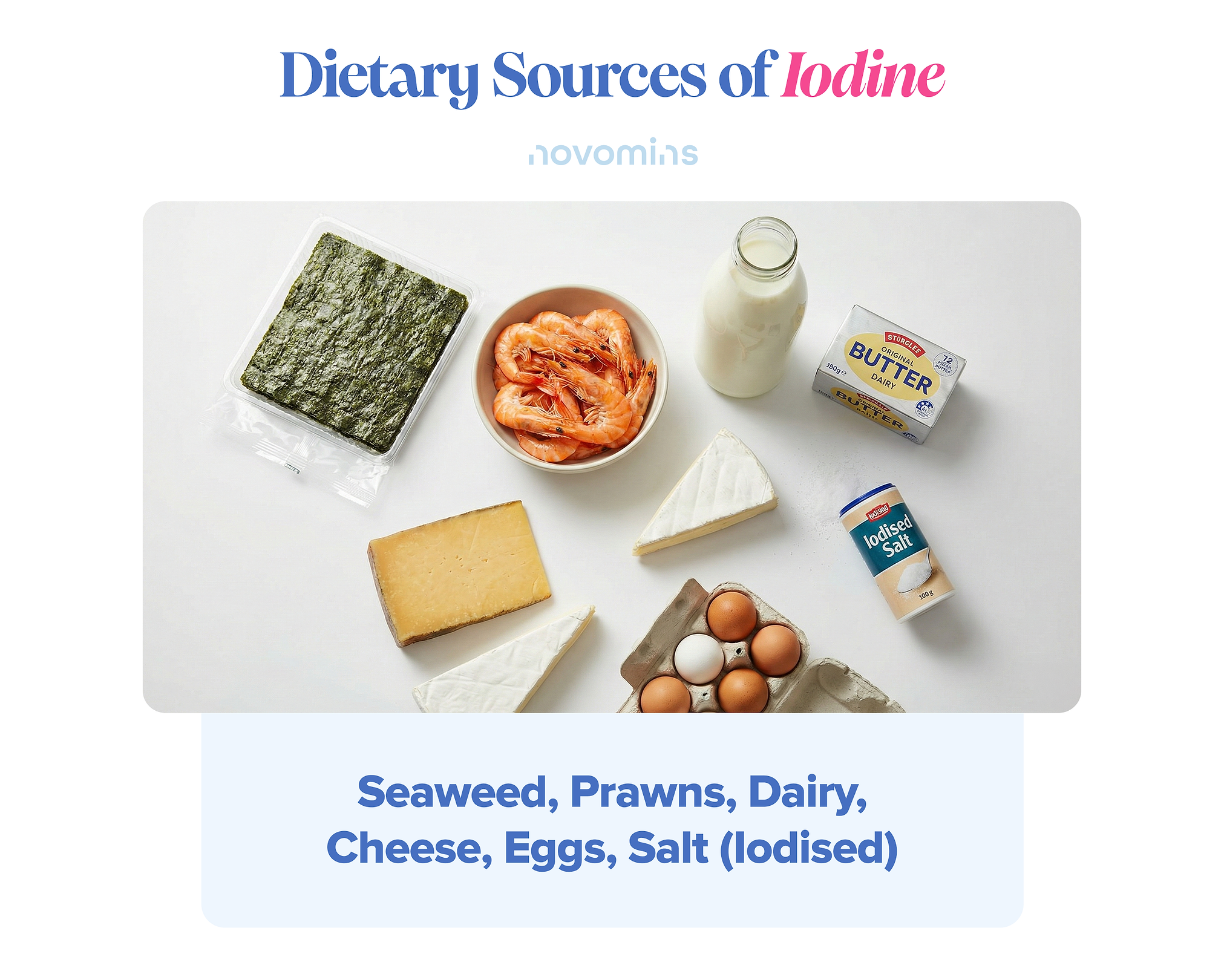
Iodine contributes to normal thyroid function, normal energy-yielding metabolism, and normal cognitive function. Thyroid hormones play a key role in regulating metabolic rate and cellular energy demand.
View as text
- Seaweed
- Prawns
- Dairy
- Cheese
- Eggs
- Salt (Iodised)
Together, these nutrients help support the systems that NAD+ relies on, reinforcing a more holistic approach to cellular vitality.
Absorption and Consistency
How nutrients are delivered can influence how effectively they are used.
Formats that are enjoyable and easy to take support daily consistency, which matters far more for long-term vitality than occasional, invasive, and often expensive high-dose approaches such as IV drips.
While intravenous delivery bypasses digestion entirely, it is typically used intermittently and outside of daily life. Longevity, however, is shaped by what the body receives consistently over time, not by isolated interventions.
Research shows that oral supplementation can increase NAD+ and related metabolites, but absorption and utilisation vary depending on formulation and individual biology. This has led to growing interest in delivery formats that support more efficient uptake by working with the body’s natural biology rather than against it.
Gummies work with two biological mechanisms that are particularly relevant here.
Buccal Absorption
When gummies are chewed, nutrients can be absorbed through the lining of the cheek, known as buccal absorption. This area contains a dense network of blood vessels, allowing certain compounds to enter circulation more directly than when swallowed alone.

By partially bypassing digestive breakdown, buccal absorption may support more efficient delivery of nutrients involved in cellular metabolism.
The Cephalic Phase Response
Absorption does not start in the stomach. It starts in the brain.
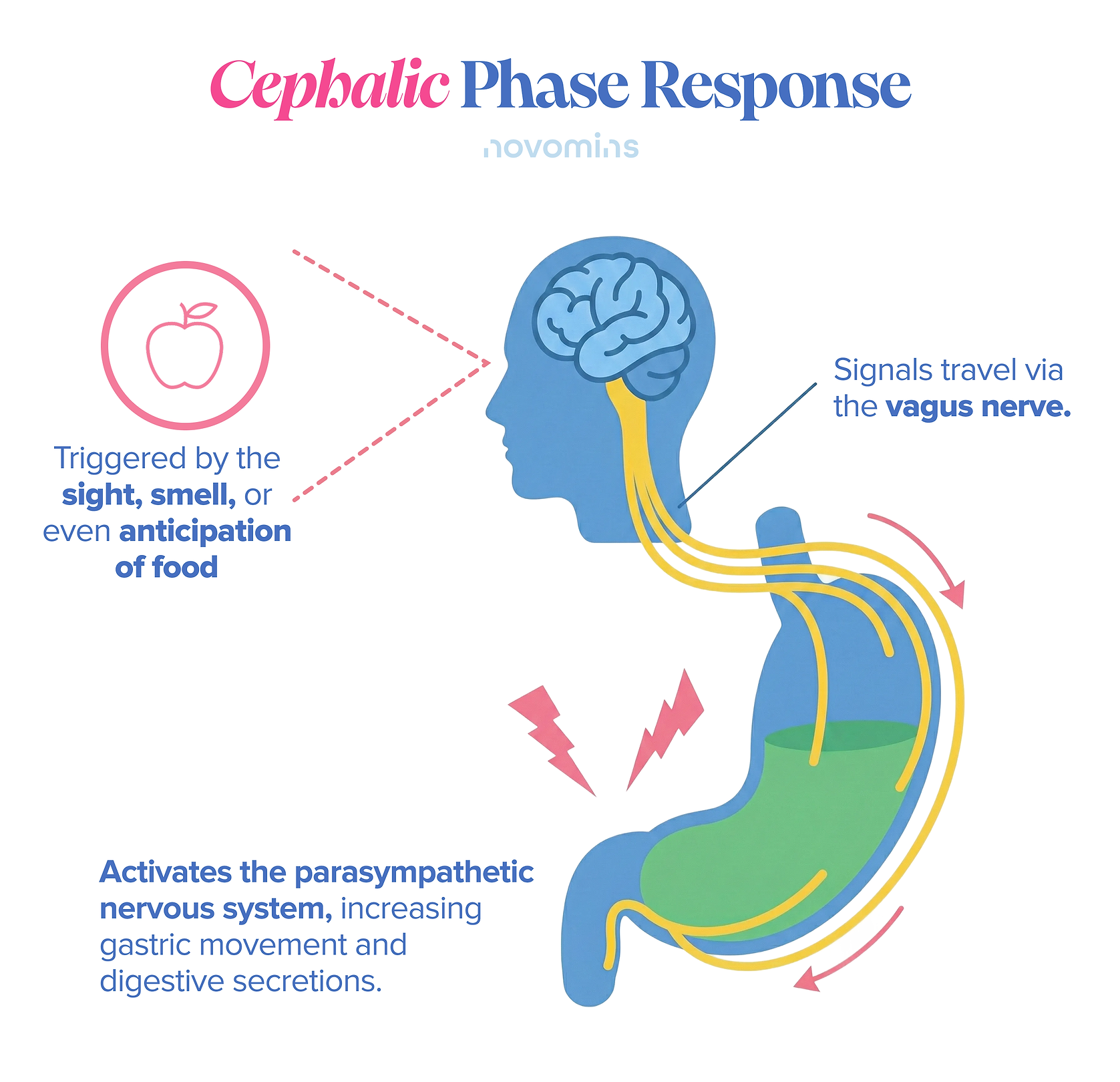
Taste, smell, and chewing activate what is known as the cephalic phase response. This early signalling prepares the digestive system to receive and process nutrients before absorption even begins.
View as text
- Triggered by the sight, smell, or even anticipation of food
- Signals travel via the vagus nerve.
- Activates the parasympathetic nervous system, increasing gastric movement and digestive secretions.
When something tastes good and is chewed slowly, the body is primed to make better use of what follows.
This is why gummies are gaining attention in longevity-focused nutrition. They make daily cellular support easier to maintain, without friction.
View as text
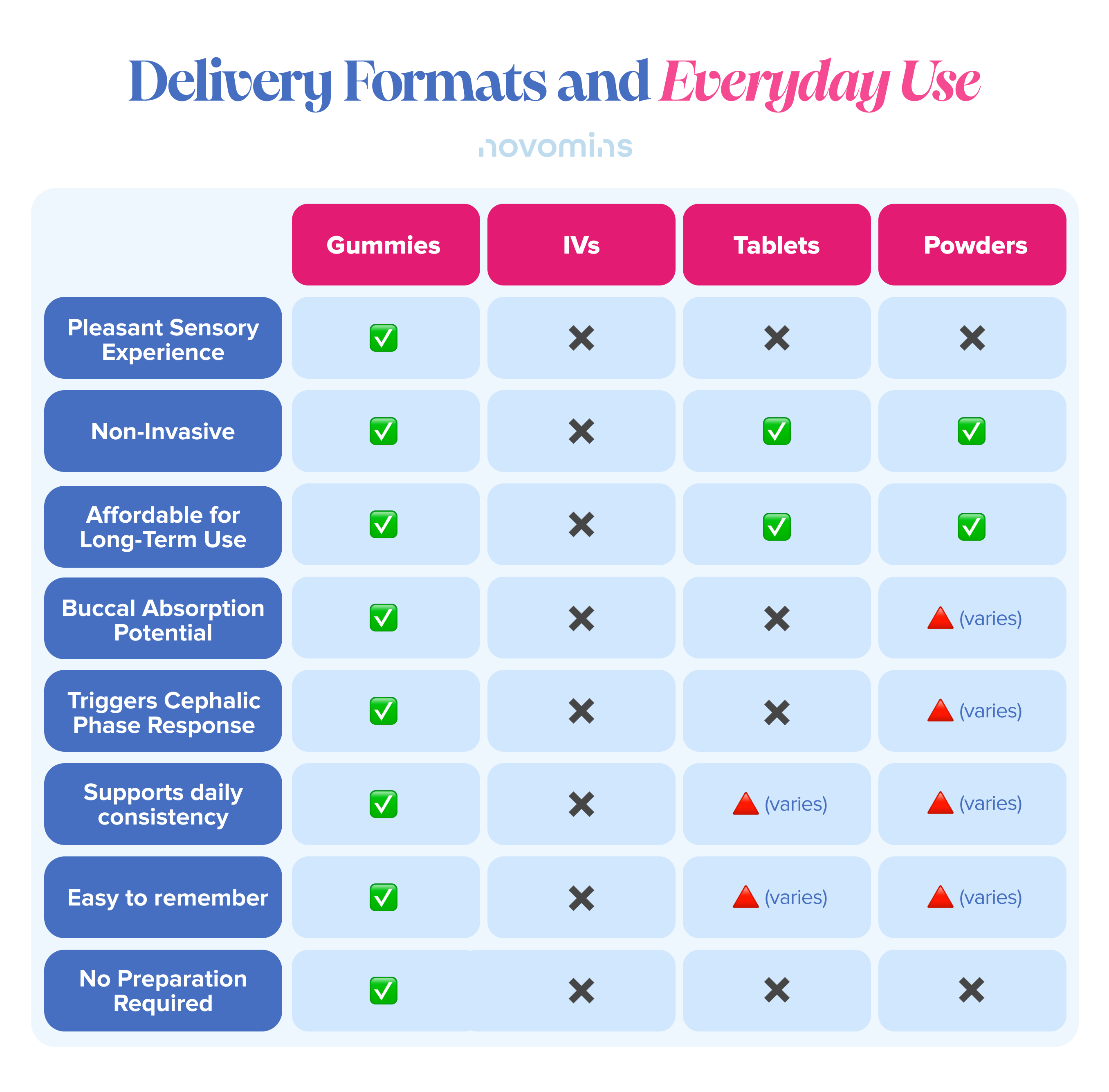
| Gummies | IVs | Tablets | Powders | |
|---|---|---|---|---|
| Pleasant Sensory Experience | Yes | No | No | No |
| Non-Invasive | Yes | No | Yes | Yes |
| Affordable for Long-Term Use | Yes | No | Yes | Yes |
| Buccal Absorption Potential | Yes | No | No | Varies |
| Triggers Cephalic Phase Response | Yes | No | No | Varies |
| Supports daily consistency | Yes | No | Varies | Varies |
| Easy to remember | Yes | No | Varies | Varies |
| No Preparation Required | Yes | No | No | No |
Where Novomins NAD+ Gummies Fit
Novomins NAD+ Gummies bring a new dimension to gummy wellness.

Carefully formulated to combine NAD+ with Zinc, Iodine, and Vitamin B6, nutrients that contribute to DNA synthesis, immune function, normal cognitive and psychological function, and energy-yielding metabolism.

Formulated for adults thinking long-term about vitality and healthy ageing, they are intended to support cellular processes quietly and consistently, rather than act as a quick fix.
Sugar-free, vegan, and strawberry & blackberry flavoured, they are designed to fit easily into a daily routine. When it comes to longevity, consistency matters more than intensity.
TL;DR
- 🪞 Ageing does not start on the surface. It starts inside your cells.
- 🧬 Longevity is not just about looking younger and living longer. It's about living BETTER
- ⚡️ Mitochondria are your cell’s energy engines and their efficiency shapes how energised and resilient you feel.
- ⚛️ NAD+ is essential for mitochondrial energy production and cellular repair.
- 🔻 NAD+ levels naturally decline with age, stress, and modern lifestyle demands.
- 😊 Supporting NAD+ is not about quick energy. It is about long-term vitality.
- 🌟 Longevity is built through consistency, not extremes.
- 🔁 Small daily habits and cellular support compound over time.
If you care about staying energised, resilient, and capable as you age, NAD+ is definitely something to keep your eye on as research is constantly finding more potential benefits in this longevity molecule.
Want to learn more? Watch the video below for key tips on biohacking and longevity.